
Vandaag of morgen in huis

Kwaliteit gegarandeerd

Welkomstaanbiedingen ontgrendelen: GRATIS bezorging | Tot 80% korting | Gratis 30 dagen JoyPlus-proefperiode
Download de app
When you're standing in front of the Asian sauces aisle at the supermarket, the selection can be overwhelming—especially when you're looking for a quality bottle of light soy sauce. The labels promise "premium," "superior," or "authentic," but what do these terms really mean? Many home cooks and even small restaurants fall for marketing jargon and end up with a product that doesn't meet their expectations.
As a Joybuy Product Recommendation Officer, I see it as my mission to help you make the right choice. Let's explore the most common pitfalls when buying soy sauce, so you know exactly what to look for.
thin soy sauce) is intended for salting and seasoning dishes, while dark soy sauce primarily adds colour and a deeper, sweeter flavour. Using the wrong type can completely alter your dish.To find a bottle that truly suits your needs, it's important to look beyond the front of the label. These two factors are crucial for quality and flavour.
The foundation of a good Chinese soy sauce is its brewing process. Traditionally brewed soy sauce is made from soybeans, wheat, water, and salt, and is given months to ferment naturally. This process creates a complex and rich flavour.
A short and clear ingredient list is often a sign of quality. Look for products with the following basic components:
Products with a long list of E-numbers, flavour enhancers (E621, E631, E635), or preservatives (E202) are often produced more quickly and cheaply. If you're looking for soy sauce without additives, a short ingredient list is your most important guide.
A technical term you might see on the labels of premium soy sauce is the amino acid nitrogen content. This is an objective measure of the amount of umami (the savoury fifth taste) in the soy sauce. The higher this number, the richer and more complex the flavour.
A high amino acid nitrogen content indicates a long and careful fermentation process. Brands like Haday soy sauce sometimes list this on their label as a mark of quality.
To help you with your choice, we have selected a few products that suit different needs and cooking styles.
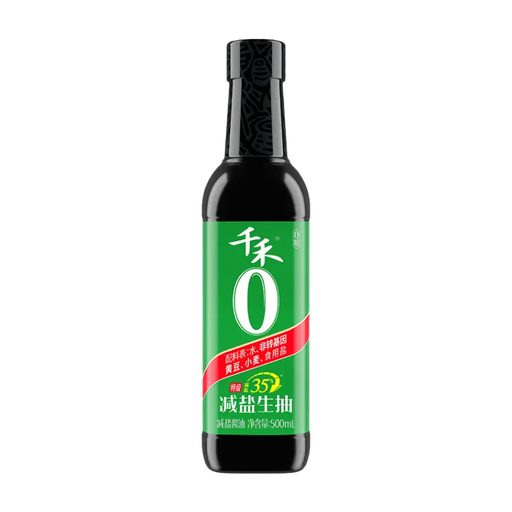
Why This Fits Their Persona: Perfect for those who want to consciously reduce their salt intake without compromising on flavour. This soy sauce is ideal for daily use in stir-fries, marinades, or as a dipping sauce.
This bottle tackles the pitfall of hidden ingredients. The "35% less salt" claim is specific, and the ingredient list is short and pure, without flavour enhancers or preservatives.
Contains 35% less salt than the brand's comparable soy sauces. The amino acid nitrogen content is ≥1.0g/100ml, which guarantees a rich umami flavour.
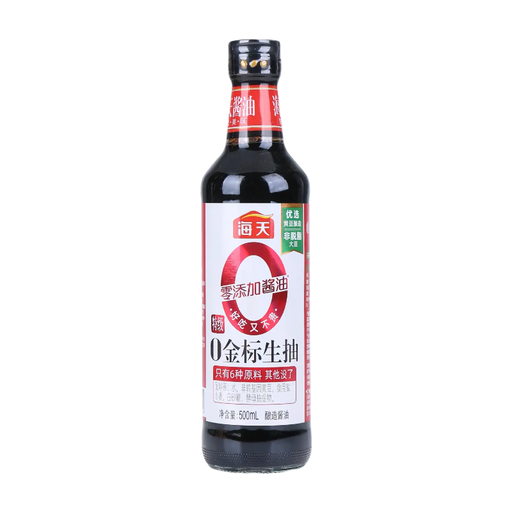
Why This Fits Their Persona: For the cook seeking a deep, complex, and traditionally brewed flavour that forms the basis of authentic Chinese dishes. Ideal for refining flavours.
This product bypasses the vague "premium" pitfall. The "0" in the name refers to the absence of artificial additives. Its quality is substantiated by a high amino acid content, not by marketing terms.
Made with just 6 ingredients and has an amino acid nitrogen content of ≥1.0g/100mL, ensuring an exceptionally rich umami flavour.
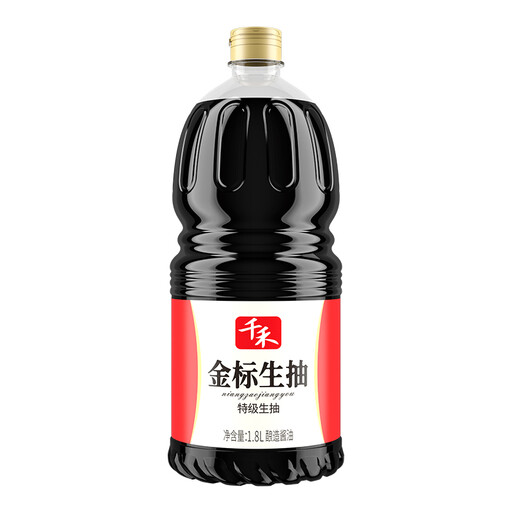
Why This Fits Their Persona: Ideal for families, foodies who cook frequently, or small restaurants. This large bottle offers excellent value for a versatile `soy sauce for stir-frying`, dipping, and marinating.
Instead of a small, expensive bottle with vague claims, this product offers a large quantity of a high-quality soy sauce. You invest in volume without significantly compromising on premium brewing quality.
The 1.8L bottle is economical and practical for frequent use. It's a premium-grade soy sauce with a high amino acid content for a pronounced umami flavour.
We have compiled a complete, up-to-date list of products that fully meet these strict selection criteria and local regulations.
Light soy sauce (生抽, sheng chou) is thinner, lighter in colour, and saltier. It is primarily used to season and add flavour to dishes without significantly affecting their colour. Dark soy sauce (老抽, lao chou) is aged longer, often with added molasses or caramel, which gives it a thicker texture, darker colour, and a sweeter taste. It is mainly used to add colour and a deep, rich flavour to dishes, such as in braised meals.
Once opened, it's best to store light soy sauce tightly sealed in the refrigerator. Although its high salt content prevents spoilage, refrigeration helps to best preserve its flavour and aroma. Most soy sauces can be kept for several months after opening. Always check the label for specific storage advice.
Not necessarily. A higher price can indicate a longer, artisanal brewing process and high-quality ingredients, but sometimes you're also paying for the brand name or fancy packaging. Focus on the ingredient list and, if available, the amino acid nitrogen content. A soy sauce without additives with a short ingredient list is often a better investment than an expensive bottle full of flavour enhancers.
