
Vandaag of morgen in huis

Kwaliteit gegarandeerd

Welkomstaanbiedingen ontgrendelen: GRATIS bezorging | Tot 80% korting | Gratis 30 dagen JoyPlus-proefperiode
Download de app
When you walk down the Asian condiments aisle, the wall of soy sauces can be overwhelming. Bottles with beautiful labels all promise an authentic taste. But how do you choose the right light soy sauce for your dish? Many home cooks miss the mark and end up with a sauce that's too salty, too dark, or full of unexpected additives.
Before you place a bottle in your basket, it's wise to be aware of a few common pitfalls:
By paying attention to a few key points, you can confidently buy the soy sauce that truly suits your cooking style.
To see through the marketing jargon, it's better to focus on the facts: the ingredients and specifications on the label. These are the three most important points to consider.
A traditionally brewed soy sauce has a short ingredient list: water, soybeans, wheat, and salt. However, many products contain extras.
The term premium soy sauce only gains meaning when you look at the brewing process. Naturally brewed soy sauce ferments for months, resulting in a complex and deep flavour. A good indicator of quality is the amino acid nitrogen content. A value of ≥0.8g/100ml is often considered a high-quality standard in Asia, and anything above 1.0g/100ml indicates a very rich flavour.
Light soy sauce is naturally salty; it serves as both a preservative and a flavouring. However, the sodium content can vary widely, from 10g to as much as 20g per 100ml. If you want to limit your salt intake, there are fortunately a growing number of options for lower-sodium soy sauce. These varieties use advanced techniques to reduce salt without losing the umami flavour.
Based on these criteria, we have highlighted several products that cater to different preferences and cooking styles.
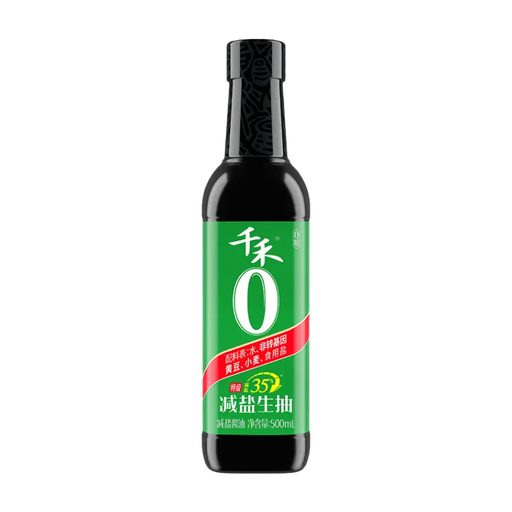
Why This Fits Their Persona: Ideal for those who want to consciously reduce their salt intake without compromising on authentic umami flavour. Perfect for families and anyone monitoring their sodium levels.
This sauce tackles the pitfall of hidden additives and high sodium content. The '35% less salt' claim is specific, and the ingredient list is short and pure, with no flavour enhancers.
Sodium Content: 11.5g per 100ml, significantly lower than standard. Ingredients: Just water, soybeans, wheat, salt, and sugar.
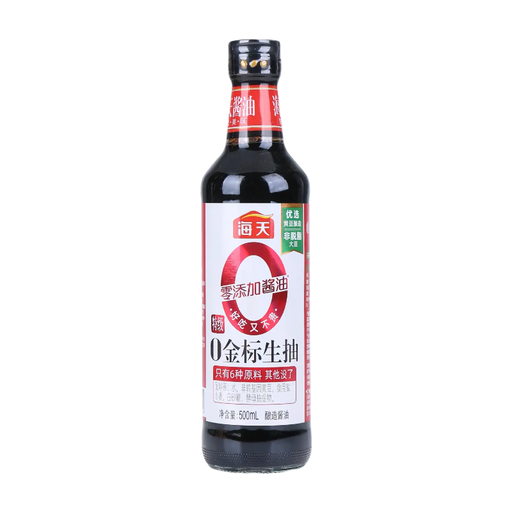
Why This Fits Their Persona: For the foodie who values a 'clean label' and a traditional brewing process. This Haday soy sauce is focused on pure, unadulterated flavour.
The '0' in its name signifies zero artificial additives, avoiding the trap of hidden extras. The 'Golden Label' is substantiated by a high amino acid content, which lends credibility to its 'premium' claim.
Additive-Free Soy Sauce: Contains only 6 ingredients. Quality: High amino acid nitrogen content (≥1.0g/100mL) for a rich, complex flavour.
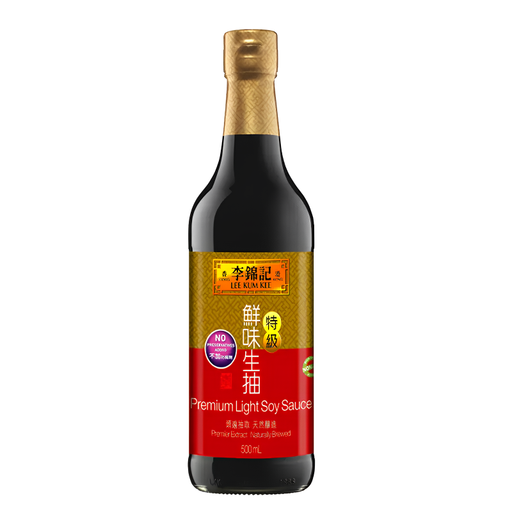
Why This Fits Their Persona: This is a reliable and versatile choice for everyday use. Lee Kum Kee soy sauce is an established name and a safe bet for stir-fries, marinades, and as a dipping sauce.
While it's labelled 'Premium,' this brand's value is built on decades of consistency, not a vague marketing claim. You know what you're getting: a solid foundational sauce for Asian cuisine.
Versatility: Suitable for virtually any application, from cooking to dipping. Reliability: A globally recognised brand that stands for consistent quality.
We have compiled a complete, up-to-date list of products that fully meet these strict selection criteria and current regulations.
Light soy sauce (sheng chou, 生抽) is thin, light brown, and salty. It is used to season dishes without significantly changing their colour. Dark soy sauce (lao chou, 老抽) is thicker, darker, and less salty, but often has a slightly sweet taste from the addition of molasses. It is primarily used to give dishes a deep, reddish-brown colour, as in stews.
Although soy sauce has a long shelf life due to its high salt content, its flavour can degrade over time with exposure to air and light. For the best flavour and freshness, it is recommended to keep the bottle tightly sealed in the refrigerator after opening. Most manufacturers advise consumption within a few months of opening.
Not necessarily. The price is influenced by brand name, import costs, and marketing. A higher price can indicate a longer, natural brewing process and high-quality ingredients, but it's not a guarantee. The best way to assess quality is by looking at the ingredient list and, if available, the amino acid nitrogen content. A 'cheap' soy sauce with flavour enhancers might be just as tasty to some, while a purist might prefer to pay a bit more for a naturally brewed product. The 'right' choice depends on your personal taste and preference.
