
Vandaag of morgen in huis

Kwaliteit gegarandeerd

Welkomstaanbiedingen ontgrendelen: GRATIS bezorging | Tot 80% korting | Gratis 30 dagen JoyPlus-proefperiode
Download de app
Losing your grip can bring a heavy deadlift, row or pulling exercise to an early stop. Lifting straps help you hold on to a barbell or bar more securely, so your grip is less likely to become the limiting factor. But not every pair of fitness straps suits every training style.
Look out for these three common pitfalls:
Read on to find out which features to check and which models suit different types of users.
Cotton lifting straps are lightweight, flexible and relatively easy to adjust. They can suit beginners and regular strength training. Check the width, length and stitching, though. Straps that are too short can be difficult to wrap around a barbell more than once.
For extra friction, there are lifting straps with extra grip. According to Thor Athletics’ product description, these have a rubber anti-slip coating on the section that touches the bar. This could be useful for deadlifts and rows, but check regularly that the coating isn’t coming away.
If you train with heavy weights regularly, lifting straps with wrist padding may be a good choice. Neoprene padding can make contact between the strap and your skin feel softer. However, fit can vary from person to person, so check the sizing and the width of the strap.
Look for an adjustable loop that sits securely around your wrist without unnecessarily restricting hand movement. The strap should be snug enough not to slip, but it shouldn’t pinch.
Lifting straps are an aid, not a replacement for regular grip training. Alternate heavy sets with straps with exercises where you hold the bar without assistance.
Before each training session, check for:
For the Thor Athletics models, the product information says to hand-wash the straps in cold water and leave them to air-dry. According to the information, machine-washing can cause shrinkage or make the rubber layer come away. These models should also not be used for snatches, clean and jerks or other Olympic weightlifting exercises.
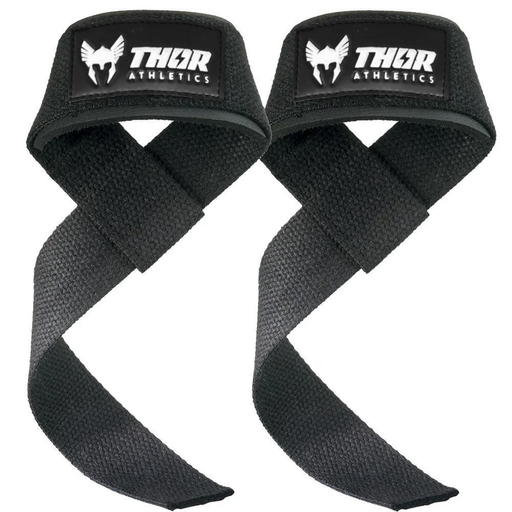
Why it suits this profile: This cotton pair is a good option if you’re trying wrist straps for the first time with deadlifts, rows and other pulling exercises.
The product description specifies the material, dimensions of 50,8–55,8 cm by 3,8 cm and neoprene wrist padding. So you don’t have to rely on the term “lifting straps” alone.
100% cotton straps, neoprene wrist padding, supplied as a pair and designed for strength training.
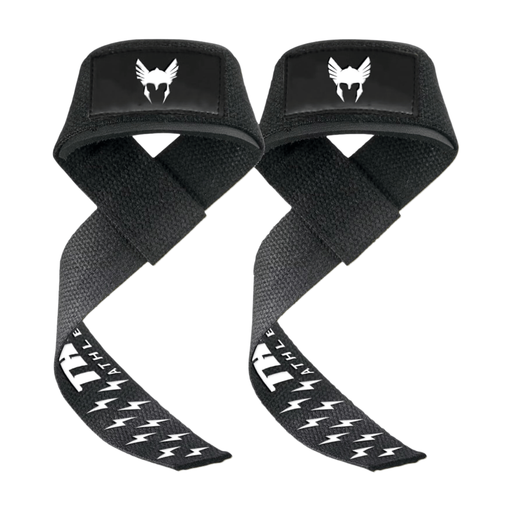
Why it suits this profile: This model is a good fit for strength athletes who want more friction between the strap and the bar during heavy deadlifts and rows.
Rather than making a general claim about grip, the product information specifies a rubber coating on the contact surface, reinforced stitching and hand-washing for care.
100% cotton, neoprene wrist padding, rubber anti-slip coating and a pair of two straps.
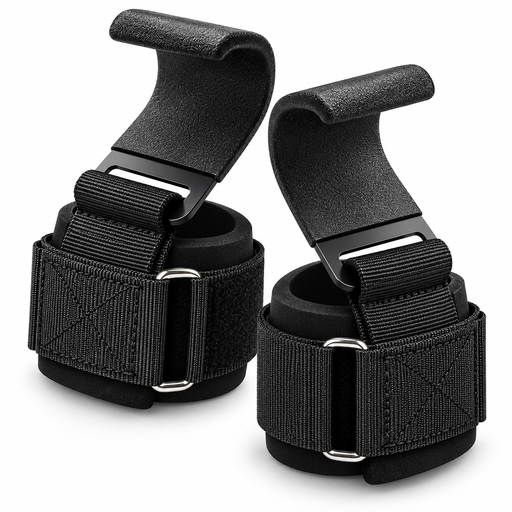
Why it suits this profile: The product name describes an adjustable, anti-slip and padded design for users looking for wrist comfort and a secure fit.
The details on adjustability, padding and a load capacity of up to 272 kg give you more to go on than a vague claim about heavy training. Always check the current product details and the condition of the straps before use.
Anti-slip design, wrist padding, adjustable fit and supplied as a set of two.
We’ve put together a complete, up-to-date list of products that meet these strict selection criteria and the applicable European safety regulations.
Yes, beginners can use them for exercises where grip loss affects their form. First, learn how to wrap the strap around the bar correctly, and make sure you also train regularly without assistance. That way, you’ll continue to develop your natural grip.
Their lifespan depends on the material, how often you train, the load and how well you care for them. Cotton can fray over time, while the coating on anti-slip lifting straps can wear down. Before each training session, check the fabric, stitching, loop and any rubber coating. Replace damaged straps straight away.
No. They’re mainly designed for controlled strength training, such as deadlifts, rows and heavy pulling exercises. With fast Olympic movements, straps can make it harder to release the bar. Always follow the usage restrictions for the specific product and don’t use it for exercises the manufacturer advises against.
