
Vandaag of morgen in huis

Kwaliteit gegarandeerd

Welkomstaanbiedingen ontgrendelen: GRATIS bezorging | Tot 80% korting | Gratis 30 dagen JoyPlus-proefperiode
Download de app
A lifting face cream can make dry skin feel more comfortable and temporarily soften the appearance of fine lines. However, not every cream is suitable for looser or mature skin. Sturdy packaging, familiar ingredients and terms such as “lifting” or “3D effect” tell you little on their own about whether a product is right for your skin type.
As a Joybuy Product Recommendation Officer, I check product information against verifiable points: ingredients, texture, skin type, usage and packaging details. This helps you avoid paying for an appealing marketing promise alone.
A cream can hydrate your skin, make it look smoother or leave it feeling temporarily taut after application. That is different from a lasting change to your facial contours. Claims such as “reduces wrinkles in minutes” are made by the brand and should not be taken as guaranteed results.
According to some brands’ product descriptions, the visible effect comes from a film-forming ingredient, humectants or a smoothing texture. So check the full ingredients list and consider the difference between an immediate cosmetic effect and skincare benefits from regular use.
A nourishing anti-ageing cream can feel pleasant on dry skin, but heavy on the T-zone. Ingredients such as shea butter, oils and fatty alcohols are not automatically a problem; the overall formula and how your skin responds are what determine the result.
If you have combination skin, look for a gel-cream or light emulsion. Mature, dry skin often benefits more from a richer formula with humectants and barrier-supporting ingredients.
A cream containing retinol, acids, fragrance or several active ingredients may irritate some people’s skin. That does not mean the product is unsuitable for everyone. However, it’s sensible to test new skincare on a small area of skin first and follow the product warnings.
Also check the PAO symbol on the packaging, for example 6M or 12M. This indicates how long the product is intended to be used for after opening, according to the packaging. Store the jar or tube somewhere cool and dry, out of direct sunlight.
For a hydrating anti-ageing cream, these ingredients may be worth looking for:
A collagen cream may sound appealing, but also look at the rest of the ingredients list, the texture and the directions for use.
Check whether the product information specifies your skin type:
Most products in this selection contain 30 to 50 ml. A jar is practical, but use a clean spatula or clean hands. A pump bottle limits direct contact with the formula. Also check whether a product is suitable for the face, neck and jawline, and whether you need a separate sunscreen. A face cream is not a substitute for sunscreen.
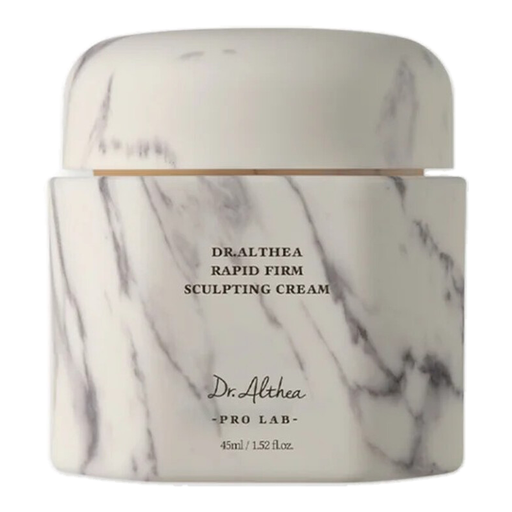
Why it suits this profile: The product information describes a creamy, non-greasy texture for normal to dry skin, suitable for use morning and evening. This makes it a straightforward option if you’re looking for your first firming face cream.
The description lists specific humectants, such as sodium hyaluronate, panthenol and glycerin, rather than relying only on a general lifting claim.
45 ml; developed in South Korea; suitable for normal to dry skin according to the product information.
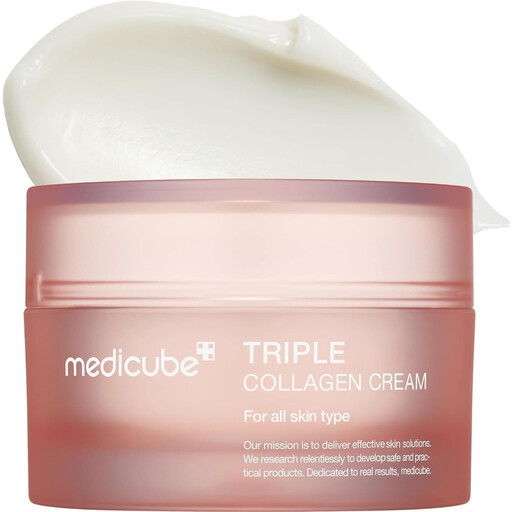
Why it suits this profile: This formula combines collagen, niacinamide, hyaluronic acid and nourishing oils. It’s for anyone looking to address several skincare needs with one cream.
The product information lists the key ingredients and the purpose of the formula. Results claims, such as improvement within a set period, come from the brand and are not guaranteed.
50 ml; contains niacinamide, hyaluronic acid, collagen and shea butter according to the product details provided.
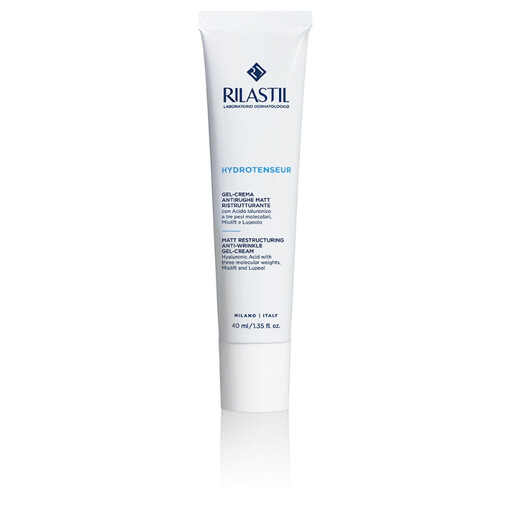
Why it suits this profile: According to the product information, this light gel-cream is designed for sensitive and combination skin. It’s a good fit if you want hydration without a noticeably rich texture.
The texture and recommended skin types are clearly described, helping you avoid choosing a heavy cream for combination skin.
40 ml; contains sodium hyaluronate and several ceramides; suitable for day and night according to the product details.
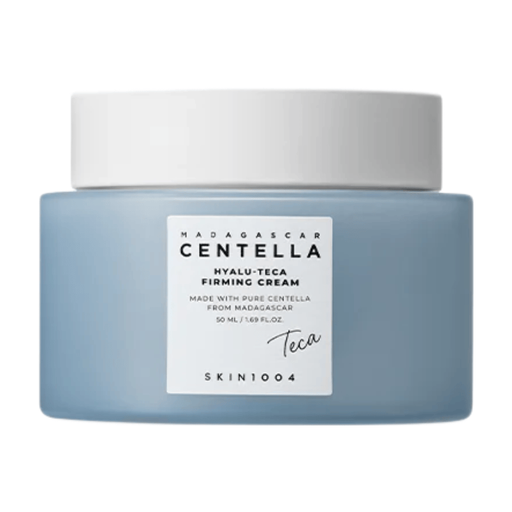
Why it suits this profile: This comprehensive formula focuses on hydration and comfort, with ingredients including centella asiatica, panthenol, squalane, ceramide NP, hyaluronic acid and peptides.
The full ingredients list is provided, so you can check for fragrance, oils and potential allergens before ordering.
50 ml; contains ceramide NP, several forms of hyaluronic acid and centella ingredients according to the product information.
We’ve put together a full, up-to-date list of products that meet these strict selection criteria and the applicable European safety regulations.
A cream can hydrate your skin and leave it feeling smoother or more comfortable. A temporary taut feeling or smoother-looking surface is not the same as a lasting change to the skin’s structure. Treat brands’ claims as product information, not as a personal guarantee.
Check the PAO symbol and shelf-life information on the packaging. Many products, for example, state that they should be used within six or twelve months of opening. Replace the product sooner if its smell, colour or texture changes noticeably.
Start by looking for a low-fragrance or fragrance-free formula with hydrating ingredients such as glycerin, panthenol or hyaluronic acid. Test a new cream on a small area and check the full ingredients list. If you have combination skin, a lighter gel-cream may be more practical than a very rich formula.
