
Vandaag of morgen in huis

Kwaliteit gegarandeerd

Welkomstaanbiedingen ontgrendelen: GRATIS bezorging | Tot 80% korting | Gratis 30 dagen JoyPlus-proefperiode
Download de app
As a Product Recommendation Officer at Joybuy, I see daily how the demand for a reliable LiFePO4 12v 100ah battery is growing. For owners of RVs, boats, or off-grid solar installations, the switch from traditional lead-acid to lithium iron phosphate is a logical step: lighter, more powerful, and with a longer lifespan. But the market is filled with suppliers making lofty claims. Before you invest, it's crucial to know what to look for to avoid wasting money on a battery that doesn't live up to its promises.
Marketing terms are thrown around everywhere, but impressive numbers often hide significant drawbacks. These are the two most common problems buyers encounter.
Many manufacturers advertise thousands of charge cycles, for example, "4000+ cycles." What they often fail to mention are the conditions under which this number is achieved. A cycle count might be based on a discharge to only 50% (Depth of Discharge, or DoD). In reality, you want a 100ah deep cycle battery that you can deeply discharge without drastically shortening its lifespan. A battery that loses significant capacity after just 500 deep discharges turns out to be an expensive purchase in hindsight.
Every good lithium 12v battery has a Battery Management System (BMS). This is the brain of the battery. A cheap battery often has a basic BMS that only protects against the most extreme situations, like a short circuit. A full-featured battery with a BMS does much more. The absence of crucial features like cell balancing or low-temperature charging protection can cut your battery's lifespan in half, especially in climates where winters can get significantly cold.
You don't need to be a technician to make the right choice. Focus on a few verifiable specifications that make the difference between a good investment and a disappointment.
Unlike a lead-acid battery, a LiFePO4 battery can be safely discharged to 80% or even 100%. Check the specifications for the number of cycles the manufacturer guarantees at a DoD of 80% or more. A quality battery offers thousands of cycles at a deep discharge, which translates to many years of worry-free use, whether you use it as an RV house battery or for your battery for solar panels.
A good BMS is your most important insurance policy. Verify that the system offers the following protections:
Not everyone has the same needs. Below are some products that suit different profiles, based on their specifications and intended use.
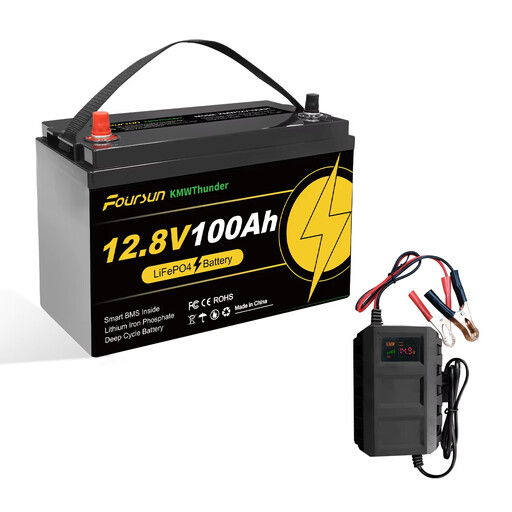
Why it's a match for this profile: Ideal for the RV or boat owner looking for a direct, powerful upgrade from their old lead-acid battery. This battery delivers the capacity and lifespan needed for extended periods of freedom without being tied to the power grid.
The specs list 4500+ cycles and an advanced BMS with low-temperature charging protection, directly addressing the two main pitfalls.
Comes with a charger and supports series (up to 48V) and parallel (up to 800Ah) connections for maximum flexibility.
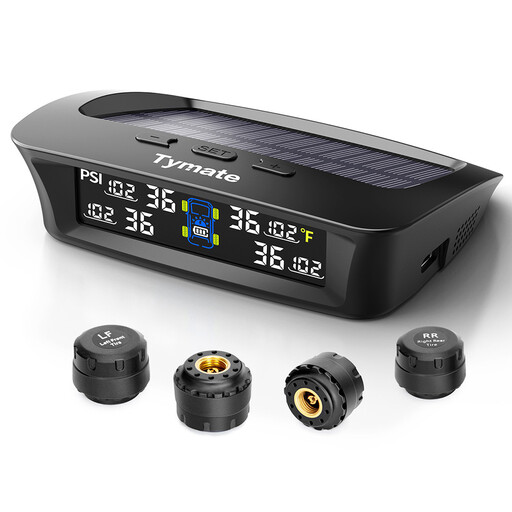
Why it's a match for this profile: For the RVer who thinks beyond just power and considers overall safety. While upgrading your energy system, it's smart to also modernize the monitoring of vital components like your tires.
This product helps avoid the pitfall of a 'blind spot' in vehicle maintenance. A new battery is useless if you're stranded on the side of the road with a flat tire.
Rechargeable via solar power, so it doesn't drain your new RV battery. Provides real-time monitoring of tire pressure and temperature with 6 alarm modes.
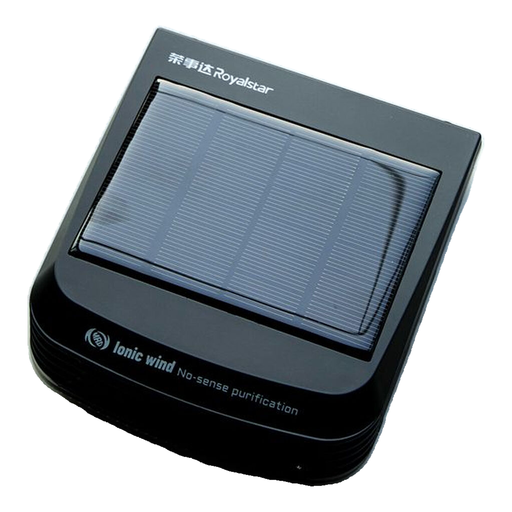
Why it's a match for this profile: Perfect for the user who wants to make their RV or boat as comfortable and self-sufficient as possible with smart, energy-efficient accessories that improve the living environment.
Avoids the pitfall of power-hungry 12V accessories. This device runs on solar or USB power and consumes only 1W, saving your precious battery capacity.
Dual power option (solar/USB), very quiet, and compact. Improves cabin air quality without draining the house battery.
We've compiled a complete, up-to-date list of products that fully meet these strict selection criteria and EU regulations.
In most cases, yes. The dimensions are often comparable. However, it's wise to check if your charging system (alternator, solar charge controller, shore power charger) has a lithium charging profile or is adjustable. Although the battery's BMS manages a lot, a compatible charger ensures optimal lifespan and performance.
This depends on usage, but a quality LiFePO4 battery can easily last 10 years or more. Thanks to its high cycle count (often 3,000 to 5,000), it outlasts a traditional lead-acid battery (which typically lasts 3 to 5 years) by a wide margin.
Yes, LiFePO4 (lithium iron phosphate) is considered one of the safest and most stable lithium battery technologies. The risk of thermal runaway is significantly lower than with other lithium-ion variants, such as those used in phones. A good battery with a BMS adds multiple layers of active protection, making it a very reliable choice for mobile applications.
