
Vandaag of morgen in huis

Kwaliteit gegarandeerd

Welkomstaanbiedingen ontgrendelen: GRATIS bezorging | Tot 80% korting | Gratis 30 dagen JoyPlus-proefperiode
Download de app
Buying lemonade sounds simple, until you have to choose between fizzy lemonade, lemon iced tea, a sugar-free option or a striking blue drink. Product images mainly show the colour and brand name, while important information is often found on the label. As a result, you may end up paying for a large multipack that does not suit the way you use it, or expect fizz only to receive a still tea drink.
The three most common pitfalls are:
The term lemonade is used for different types of drink. Start by checking the drink’s base.
Fizzy lemonade and lemon soda contain carbon dioxide. Sanpellegrino Limonata, 7UP Lemon Lime Soda and some Calypso varieties fall into this group. They are ideal for a picnic, drinks gathering or party when you are looking for a refreshing fizz and citrus flavour.
Still lemonade contains no carbon dioxide. Some fruit drinks and tea drinks are also referred to as lemonade in everyday speech, but they offer a different drinking experience.
Lemon iced tea and lemon tea combine black tea with lemon flavour. Master Kong, Vitasoy, Lipton and Oishi are examples of ready-to-drink products. These drinks are usually still and may have a distinct tea aroma.
Alcohol-free lemonade is the standard product category for soft drinks and iced tea. With international products, always check the label if you want to avoid specific ingredients or allergens.
Blue lemonade is mainly a visual choice. According to the product description, Ice Talk Blue Lemon Ade uses spirulina extract for its colour, while other brands list colourings or blended colour additives. You can only see this difference in the ingredients list.
Always compare products per 100 ml, rather than only per bottle or can. This lets you compare a 250 ml can fairly with a 473 ml bottle.
Some examples from the available product information:
“Sugar-free lemonade” does not automatically mean that the flavour is the same as that of a sweetened version. If you prefer to avoid sweeteners, check the ingredients as well as the nutritional table.
A higher proportion of lemon juice can provide a sharper citrus note, but flavour also depends on sugar, flavourings, tea and other fruit ingredients. Sanpellegrino Limonata lists 11% lemon juice from concentrate, as well as lemon juice. Calypso Ocean Blue Lemonade lists 7% lemon juice from concentrate and 0.2% lemon pulp.
In lemon tea, lemon is often lower down the ingredients list. For example, Master Kong Lemon Tea lists black tea and 0.2 grams of concentrated lemon juice per litre in the product information. This suggests a drink in which tea and sweetness play a bigger role than a pronounced sour lemonade flavour.
Choose the size based on when you plan to drink it:
Also consider the packaging. A pouch is light and portable, but requires extra attention to sealing after opening. Cans are convenient for a single serving. Glass can be pleasant to use at home, but is heavier and breakable. For several drinks, the product information recommends storing opened packaging in the fridge and using it within the stated period. Always check the current date and instructions on the packaging.
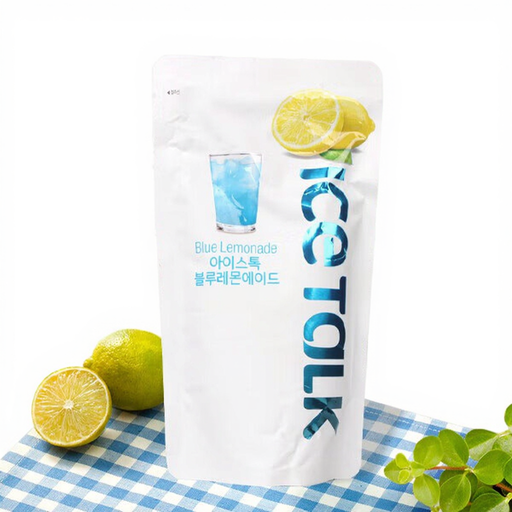
Why it suits this profile: A small pouch is a straightforward choice if you want to try unusual blue lemonade for the first time without ordering a large multipack straight away.
The 230 ml volume helps to limit waste. The product information states 8.4 grams of sugar per 100 ml, so you can estimate the sweetness in advance.
Pouch packaging, 230 ml volume, 35 kcal per 100 ml and a blue colour according to the product description.
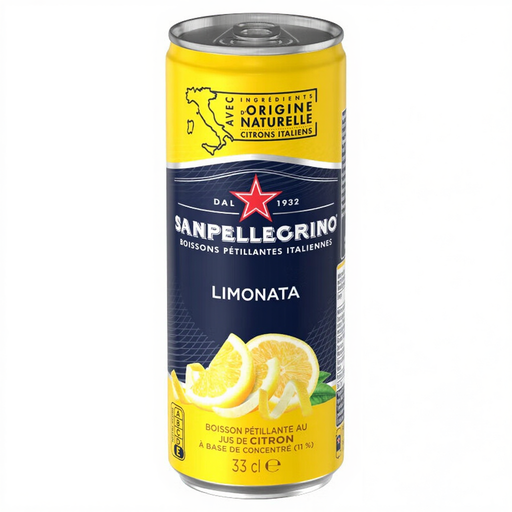
Why it suits this profile: Ideal if you want a classic fizzy lemonade with a clearly stated lemon content in an individual can.
The product information states 11% lemon juice from concentrate and 8 grams of sugar per 100 ml. This means you do not have to rely solely on terms such as “intense” or “Sicilian”.
330 ml per can, carbonated, 35 kcal per 100 ml and a serving recommendation of 6–8 °C.
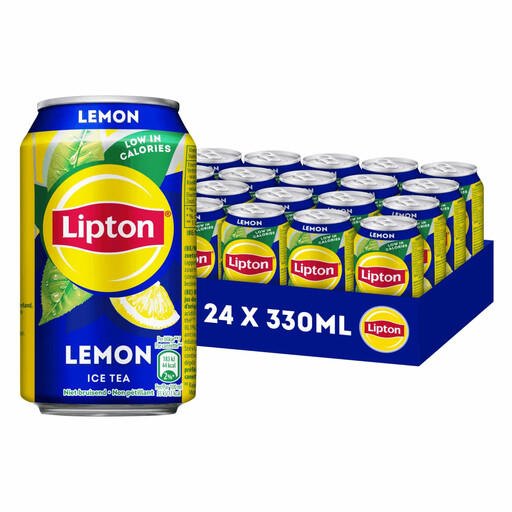
Why it suits this profile: A tray of 24 cans is suitable for an office, catering, event or household that regularly drinks lemon iced tea.
It is clearly a still lemon tea, not fizzy lemonade. The product information also states 3 grams of sugar per 100 ml.
24 x 330 ml, black tea extract, a subtle lemon flavour and a lower sugar content per 100 ml than various sweetened lemon sodas.
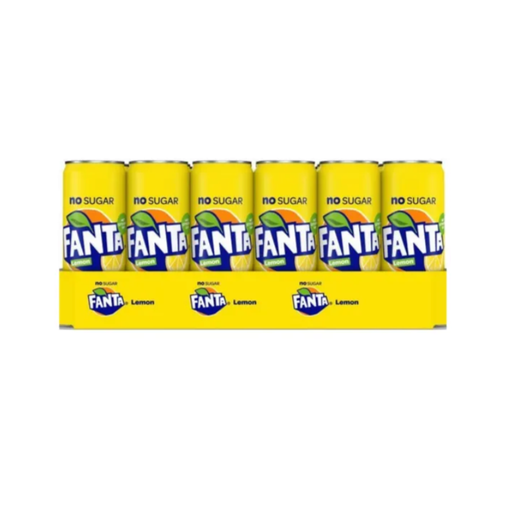
Why it suits this profile: A stock of cans for anyone looking for sugar-free fizzy lemon soda for home, work or visitors.
The nutritional information states 0 grams of sugar per 100 ml. The ingredients do include several sweeteners, however, so check the label if you are sensitive to specific substances.
24 cans of 330 ml, carbonated and, according to the product information, 0.30 kcal and 0 grams of sugar per 100 ml.
We have put together a complete, up-to-date list of products that fully meet these strict selection criteria and the applicable European safety regulations.
That depends on the number of guests and how you plan to serve it. A lemonade multipack of cans is easy to hand out and keep chilled. If you want to pour drinks at the table, a 1.5-litre bottle such as 7UP Lemon Lime Soda may be more practical. Decide in advance whether you want to serve fizzy lemonade, lemon iced tea or a still drink.
Lemon soda is generally a carbonated soft drink with lemon or lemon-lime flavour. Lemon iced tea contains tea extract and is usually not fizzy. The flavour of lemon iced tea is often milder and more tea-led. Check the label for terms such as carbonated, black tea and the stated percentage of lemon juice.
Follow the instructions on the packaging. Many products should be refrigerated after opening and consumed within a few days. Seal a bottle, pouch or other resealable format securely. Cans usually cannot be resealed, making a single-serving size more convenient if you are not going to drink it straight away.
