
Vandaag of morgen in huis

Kwaliteit gegarandeerd

Welkomstaanbiedingen ontgrendelen: GRATIS bezorging | Tot 80% korting | Gratis 30 dagen JoyPlus-proefperiode
Download de app
A chilled lemon soft drink pairs well with a meal, party, picnic or a moment on the go. Yet many products appear more alike than they really are. One drink may consist mainly of sparkling water and flavouring, while another contains lemon juice, sugar or sweeteners. The volume and packaging also determine whether a product is practical for home use or better suited to individual servings.
So do not rely solely on the name or eye-catching colour. Check the label, nutritional information and quantity per package before you buy lemon drinks.
A sparkling lemon drink can have a pronounced lemon flavour because of flavourings, even when the proportion of lemon juice is limited. According to the product information, Sanpellegrino Limonata contains 11% lemon juice from concentrate and a further 5% lemon juice. By contrast, G'woon Clear Lemon lists 0.01% lemon juice from concentrate and relies mainly on natural lemon-lime flavourings.
If you expect a distinct fruit flavour, check the juice percentage in the ingredients list. The words “natural lemon flavouring” tell you something about the flavouring used, but not how much fruit juice the drink contains.
A sugar-free lemon drink generally contains sweeteners instead of sugar. According to the product information, 7UP Zero Sugar contains aspartame and states that it is a source of phenylalanine. Crystal Clear Sparkling Lemon uses, among other ingredients, sucralose and acesulfame-K. Always check the current ingredients list on the packaging, particularly if you want to avoid certain sweeteners.
A product containing both sugar and sweeteners may have a different flavour and nutritional profile from a completely sugar-free alternative. “Fewer calories” is therefore not a complete basis for comparison.
A 1- or 1.5-litre bottle is practical for home use or parties, but the carbonation decreases after opening. Small cans or bottles are easier to serve individually, although they may cost more per litre. Check the price per litre and consider how much you are likely to use at one time.
For drinking on the go, single-serve formats such as 200, 230, 250 or 330 ml are often more convenient. For groups, multipacks or larger bottles may be the more logical choice.
Compare values per 100 ml, rather than looking only at the figures for an entire bottle or can. Here are several examples based on the available product information:
Also note the difference between “sugar-free” and “free from sweeteners”. Spa Touch contains no sugar, sweeteners or other additives. Other sugar-free soft drinks do use sweeteners.
If you prefer a lighter drink, consider lemon sparkling water or lemon mineral water. According to the label, Charlie’s Sparkling Water Lemon consists of 97% carbonated water, 3% organic lemon juice and natural lemon flavouring. Beypazari Limonlu Soda uses mineral water, carbon dioxide and natural lemon flavouring.
In a classic lemon soft drink, sugar, acidity regulators and flavourings often appear higher up the ingredients list. This can result in a sweeter, more intense taste. If you are looking for a pure thirst-quencher, sparkling water with lemon may be the more natural choice.
Choose the format according to when and how you plan to use it:
After delivery, also check the best-before date, seal and storage instructions. Most products should be stored in a cool, dry place away from direct sunlight. Once opened, they should be refrigerated and consumed within the period specified on the packaging.
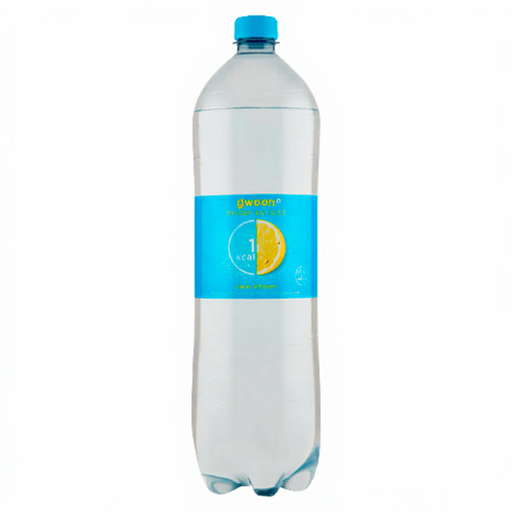
Why it suits this profile: The large format is practical for home use, meals or occasions when several people want a glass.
The nutritional information lists 0 g of sugar and 1 kcal per 100 g. This makes it easy to compare directly with sugar-sweetened alternatives.
1.5-litre volume, carbonated and flavoured with lemon-lime and lemon.
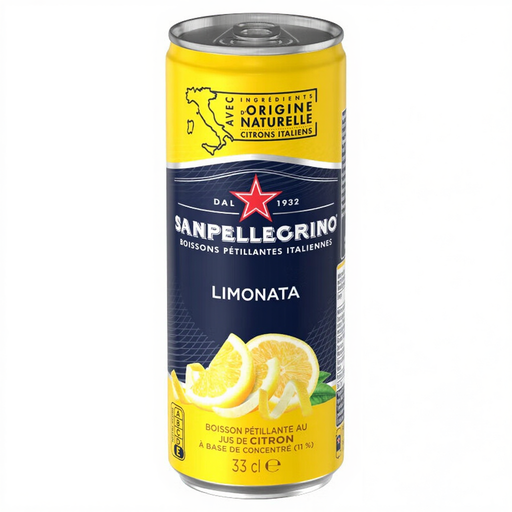
Why it suits this profile: A 330 ml can is easy to serve with lunch, dinner or drinks without opening a large bottle.
The label lists 11% lemon juice from concentrate, 5% lemon juice and 8 g of sugar per 100 ml. The flavour and sugar content are therefore clear in advance.
330 ml per can and a stated serving temperature of 6–8 °C.
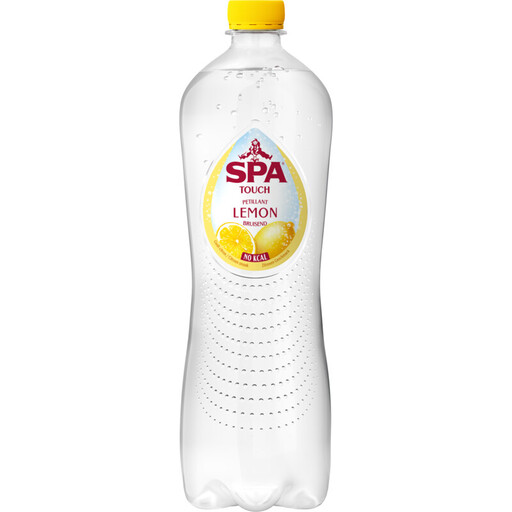
Why it suits this profile: This sparkling lemon drink is designed for those looking for a light lemon note without sugar or sweeteners.
The product information lists 0 kcal, 0 g of sugar and no sweeteners. This clearly distinguishes it from zero soft drinks that rely on sweeteners.
1 litre of naturally carbonated natural mineral water with natural lemon and lime flavourings.
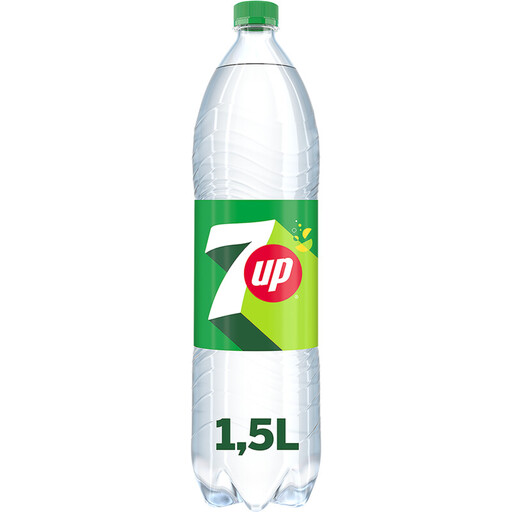
Why it suits this profile: The 1.5-litre PET bottle is ideal for sharing with a meal, when entertaining or at a party.
The packaging and nutritional values are clearly stated: 1.5 litres, 19 kcal and 4.6 g of sugar per 100 ml. This makes it easy to estimate both serving sizes and total volume.
Lemon-lime flavour, carbonation and natural lemon and lime flavourings according to the product description.
Browse a current selection of sparkling drinks and compare flavour, volume, sugar content and packaging for the occasion that matters to you.
Spa Touch Sparkling Lemon lists 0 g of sugar and 0 kcal per 100 ml and, according to the label, contains no sweeteners. 7UP Zero Sugar and Crystal Clear Sparkling Lemon also state that they contain no sugar, but they do use sweeteners. Always check the complete ingredients list.
Lemon sparkling water generally consists primarily of carbonated water with lemon juice or flavouring and often contains little or no sugar. Lemon lemonade more commonly contains sugar or sweeteners and typically has a sweeter, more intense taste. The label provides the exact composition.
Store an opened bottle in the refrigerator and close the cap securely. This helps preserve the carbonation and flavour. Always follow the storage period stated on the packaging; Spa Touch, for example, states that the drink should be consumed within three days of opening.
