
Vandaag of morgen in huis

Kwaliteit gegarandeerd

Welkomstaanbiedingen ontgrendelen: GRATIS bezorging | Tot 80% korting | Gratis 30 dagen JoyPlus-proefperiode
Download de app
A refreshing lemon drink or lemon-lime soft drink may seem simple to choose. Yet products vary considerably in flavour, sugar content, packaging and occasion. For example, a fizzy lemon drink for a party calls for different packaging from a small bottle for drinking on the go. And if you are looking for sugar-free lemon soft drinks, you should not rely solely on the front of the label.
Joybuy Product Recommendation Officer helps you identify the key differences without taking marketing claims at face value.
Words such as “refreshing”, “light” and “zero” do not all mean the same thing. Always check the nutrition table:
According to the product information, 7UP Refreshing Lemon & Lime Soda 500 ml contains sugar and steviol glycosides. According to the stated ingredients list, 7UP Zero Sugar Lemon and Lime Soda contains no sugar and uses aspartame as a sweetener. These are verifiable differences that you can find on the label.
A lemon-flavoured soft drink may contain flavouring without a significant amount of lemon juice. So check the ingredients:
For example, Royal Club Bitter Lemon lists 8% lemon juice from concentrate. According to the product description, G’woon Clear Lemon contains 0.01% lemon juice from concentrate, alongside natural lemon and lemon-lime flavourings. Both drinks have a lemon flavour, but their composition is not the same.
A 1.5-litre bottle can be practical for home use or a party, but opened carbonated drinks gradually lose their fizz. For one person, cans or bottles of 250 to 500 ml can help reduce waste.
When buying lemon drinks online, therefore, pay attention to:
Always compare the nutritional values per 100 ml, not just per bottle. After all, a 250 ml serving contains 2.5 times the value shown in the table. Examples from the range:
Sugar-free lemon soft drinks often contain sweeteners. So check the ingredients list and any mandatory warnings, such as the statement that aspartame contains a source of phenylalanine.
Lemon-lime soft drinks and classic fizzy lemon drinks contain carbon dioxide. Lemon iced tea and lemon tea drinks are usually non-carbonated. The right choice depends on when you plan to drink it:
According to the product description, Beypazari Limonlu Soda contains mineral water, carbon dioxide and natural lemon flavouring. The drink comes in a 200 ml bottle. This size can be convenient for drinking on the go.
Small packs are suitable for a bag, lunch or an individual drink. Multipacks of 6 x 250 ml are practical when you want to divide drinks into portions. A 1.5-litre bottle is better suited to home use, a barbecue or a larger group.
Also check the storage advice. Many products should be stored in a cool place away from direct sunlight. After opening, product descriptions generally recommend refrigeration and prompt consumption. Always check the current packaging for the exact best-before date and usage instructions.
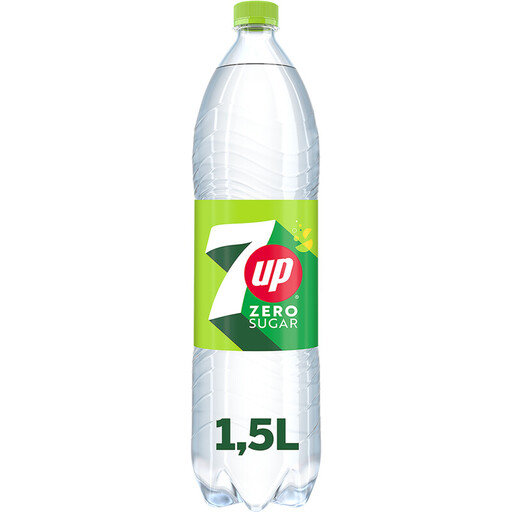
Why it suits this profile: The 1.5-litre bottle is suitable for home use, and the product information states that it contains no sugar and fewer than 1 kcal per 100 ml.
You do not have to rely on the front of the packaging: the sugar content and sweetener used are listed in the product details.
Lemon-lime flavour, 1.5-litre volume and, according to the product description, no sugar.
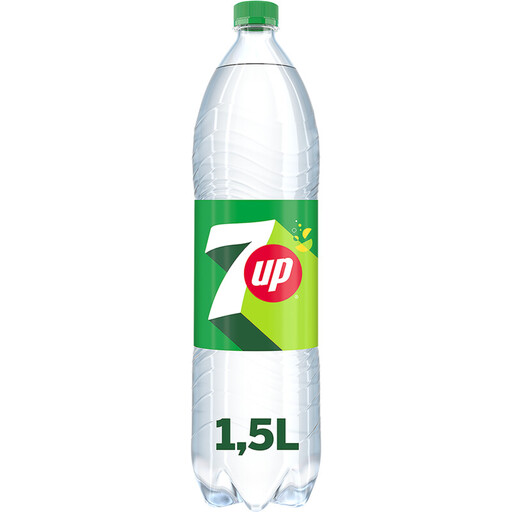
Why it suits this profile: According to the product description, this carbonated drink combines lemon and lime flavouring with a large PET bottle for use at home or at a gathering.
The volume, carbonation and nutritional values are clearly specified, allowing you to compare the bottle with zero-sugar and tea drinks.
1.5-litre volume, carbonation and 4.6 g sugar per 100 ml according to the stated nutritional information.
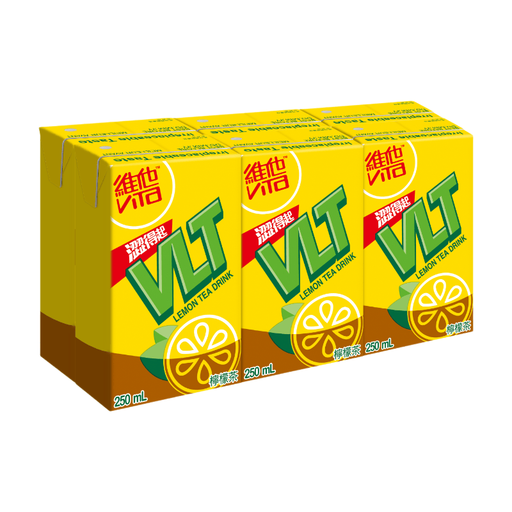
Why it suits this profile: The six 250 ml portions are easy to distribute with meals, at the office or on the go when you are looking for non-carbonated lemon iced tea.
The packaging clearly shows the portion size. The nutritional information states 10.2 g sugar per 100 ml, so the drink cannot be mistaken for a sugar-free variety.
Six individual packs, black tea and lemon juice according to the ingredients list.
We have put together a complete, up-to-date list of products that fully meet these strict selection criteria and the applicable European safety regulations.
Lemonade can refer to a drink with lemon flavour only, whereas lemon-lime soft drinks contain both lemon and lime flavouring. The exact composition varies by brand. So check the ingredients list rather than relying solely on the product name.
Examples in the range include G’woon Lemon Lime Zero Soda and 7UP Zero Sugar Lemon and Lime Soda. According to the stated product information, these drinks contain no sugar. They do contain sweeteners. Always check the current label before buying, as recipes and packaging may change.
According to the label, an opened bottle should usually be stored in the fridge. Close the cap tightly and consume the drink within the stated period. Carbonated drinks may lose their fizz after opening. In that case, a smaller pack helps prevent a large quantity from going unused.
