
Vandaag of morgen in huis

Kwaliteit gegarandeerd

Welkomstaanbiedingen ontgrendelen: GRATIS bezorging | Tot 80% korting | Gratis 30 dagen JoyPlus-proefperiode
Download de app
A refreshing lemon soft drink might seem easy to choose, but products vary considerably in flavour, sugar content, packaging and how they can be used. Are you looking for a light lemon drink to take with you, a fizzy lemon drink for home or a bitter lemon for a mocktail? If so, the front of the label alone won’t tell you enough.
Three common pitfalls:
Compare the figures per 100 ml, not just per bottle or can. A 1.5-litre bottle may contain little sugar per 100 ml, but still provide a considerable amount if you drink several glasses.
In a sugar-free lemon soft drink, sugar is usually replaced with sweeteners. So check the ingredients list. Some products also carry a warning that they contain a source of phenylalanine, for example when aspartame has been used. This is relevant information for anyone who needs to follow this warning.
Examples from the range:
Not every lemon-flavoured soft drink tastes the same.
If you’re unsure, check the ingredients. A higher proportion of lemon juice doesn’t automatically mean the flavour will suit everyone; acidity, sweetness and bitterness are also affected by flavourings and sweeteners.
For home use, 1- or 1.5-litre bottles are practical, but once opened they should be kept chilled and used within the timeframe stated on the packaging. A multipack of cans or small bottles is handy for guests, packed lunches, picnics or parties.
Also consider:
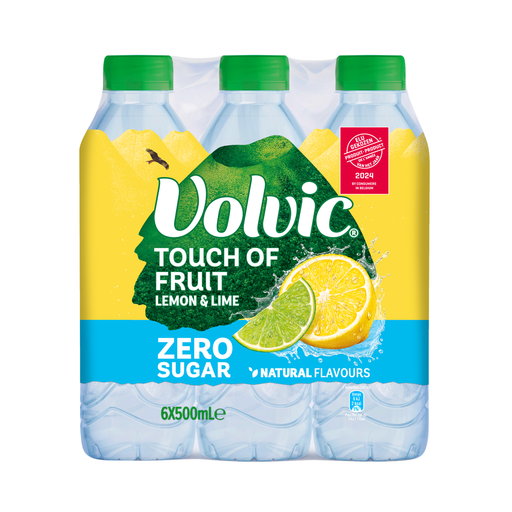
Why it suits this shopper: The pack of six 500 ml bottles is easy to manage at home, at work or on the go. Its lemon-lime flavour is lighter than that of a classic sweet soft drink.
The nutritional information states 0 grams of sugar and 1 kcal per 100 ml. Be sure to check the sweeteners used on the label.
6 x 500 ml, lemon-lime flavour, 99.6% natural mineral water according to the product description, with none of the 14 major EU allergens listed.
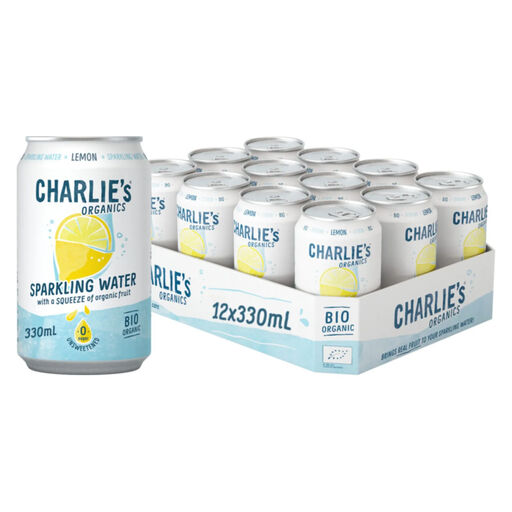
Why it suits this shopper: If you’re looking for a short ingredients list and a crisp, dry lemon flavour, this canned option is a straightforward choice for home or entertaining.
The product information states 0 grams of sugar per 100 ml and specifies 3% organic lemon juice. This lets you compare the marketing claims with specific details.
12 x 330 ml, carbonated water with lemon juice and natural lemon flavour, and 1 kcal per 100 ml according to the product information.
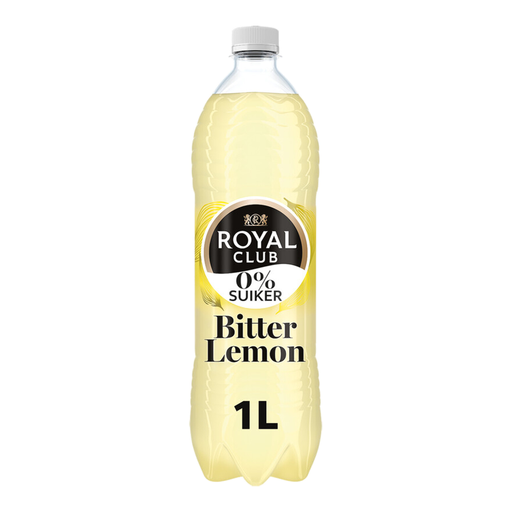
Why it suits this shopper: This 1-litre bottle is aimed at fans of a distinctive bitter-citrus profile and, according to the product description, can be used in mocktails.
This variant is clearly labelled as 0% sugar. If you’re after a sweeter bitter lemon, take care not to confuse it with the regular version.
1 litre, 0 grams of sugar per 100 ml according to the product information, and a bitter citrus flavour with quinine.
We’ve put together a complete, up-to-date list of products that meet these strict selection criteria and the applicable European safety regulations.
It varies by product. Volvic Touch of Fruit Lemon Lime, Charlie’s Sparkling Water Lemon and Royal Club Bitter Lemon 0% sugar state that they contain 0 grams of sugar per 100 ml. Always check the current packaging, as a sugar-free drink may still contain sweeteners.
Lemon soda or lemon-lime soft drinks usually have a sweet, refreshing citrus flavour. Bitter lemon also has a bitter note from quinine. That’s why it’s often enjoyed on its own or used in a mocktail. So your preferred flavour matters more than just the word “lemon” on the label.
Keep opened lemon squash, lemon soda and sparkling mineral water chilled. Close the bottle tightly and follow the timeframe on the label. Before use, also check the seal and use-by date. For a party, a multipack of smaller portions can help reduce waste, while a large bottle is handy when several people are drinking at once.
