
Vandaag of morgen in huis

Kwaliteit gegarandeerd

Welkomstaanbiedingen ontgrendelen: GRATIS bezorging | Tot 80% korting | Gratis 30 dagen JoyPlus-proefperiode
Download de app
Lemon products are used for much more than just lemonade. You'll find them as lemon juice, syrup, tea, cleaning products, deodorant and tools for squeezing citrus fruit. This wide choice can make comparing them tricky. A fresh-looking packet tells you little about the ingredients, cost per use or whether it's right for your household.
So watch out for three common pitfalls:
With food products, the difference between 100% lemon juice, lemon juice from concentrate and a flavoured drink is important. According to the product information, Limochef Lemon Juice contains 100% lemon juice with no added sugars, colourings or preservatives. The bottle holds 200 ml. Once opened, it must be kept refrigerated and used within the period stated on the packaging.
With lemon squash and lemon cordial, pay particular attention to the syrup-to-water ratio, the sugar content and any sweeteners. A product that claims to make several litres of drink can be practical for families, but compare the nutritional value per 100 ml of prepared drink too. Also check for carbonation: fizzy lemonade is not the same as a cordial for still water.
For lemon tea, check whether the product contains black tea with lemon peel, herbs, flavouring or a combination. According to the product information, Pickwick Lemon Fruit Tea contains black tea, natural flavourings and 1% lemon peel. The recommended brewing time is 2 to 3 minutes.
A lemon all-purpose cleaner is designed for everyday dirt on suitable hard surfaces. A cream or abrasive cleaner is more targeted at stubborn dirt, grease and limescale. This difference determines how carefully you need to work.
Always check:
Use a lemon cream cleaner with a damp cloth or sponge. If in doubt, test it on a small, inconspicuous area first. Do not mix cleaning products together. A lemon scent is not proof that a product disinfects or removes every type of dirt.
If you regularly make your own juice, you might consider a manual citrus juicer. Pay attention to the capacity of the reservoir, its stability on the worktop, how easy the sieve and reamer are to clean, and the types of fruit the tool is suitable for.
A 500 ml reservoir is practical for several glasses or a recipe, but takes up more space than a simple press for a single lemon. Also check whether pulp is filtered out and whether the parts are easy to rinse by hand. For occasional use, a compact solution may be enough; for marinades, dressings and drinks, a larger collecting bowl is more convenient.
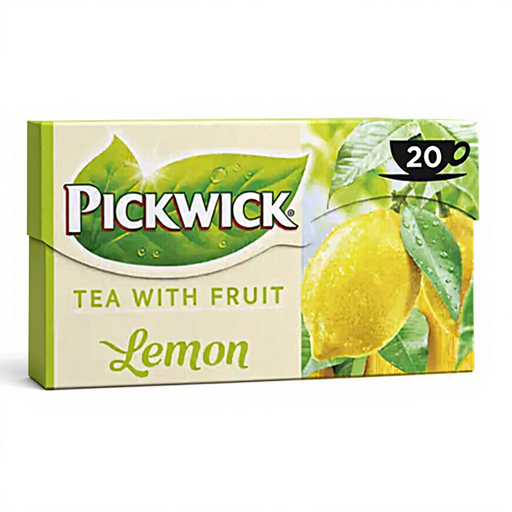
Why this fits the profile: An easy choice for anyone who wants a quick hot drink with a lemon flavour at home, without having to squeeze fresh lemons.
The ingredients list black tea, natural flavourings and 1% lemon peel. This makes it clear that it's tea with lemon elements, not a bottle of pure lemon juice.
Ready in 2 to 3 minutes; packaging contains Rainforest Alliance-certified tea according to the product information.
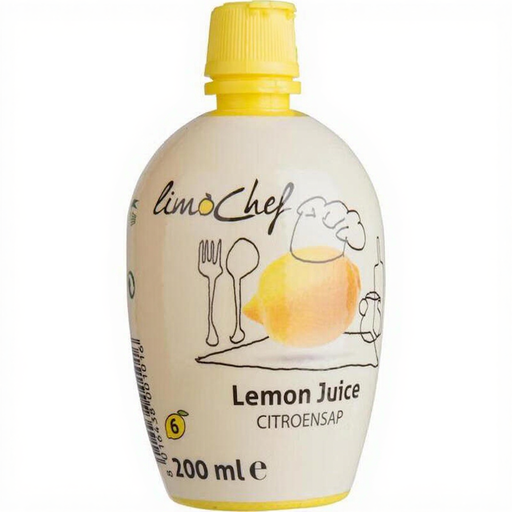
Why this fits the profile: Ideal for consumers who want one product for dressings, marinades, baking and drinks.
The product information states 100% lemon juice with no added sugars. Always check the current label before purchase and use.
200 ml content; according to the product information, 100% lemon juice and suitable for cooking, baking and drinking.
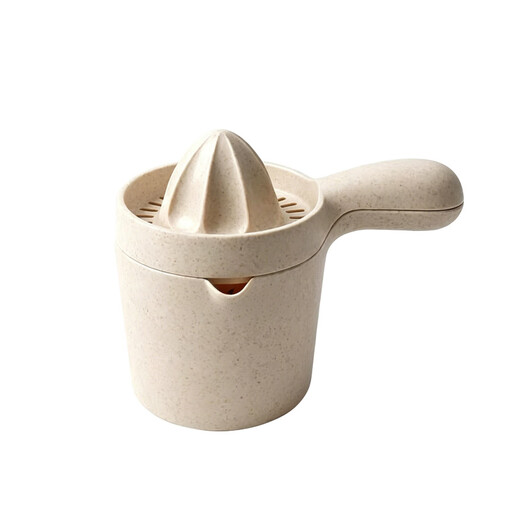
Why this fits the profile: Handy for anyone who regularly makes fresh orange, lime or lemon juice and wants control over the amount of pulp.
The 500 ml capacity makes the size clear upfront. Check before buying whether this format fits in your kitchen cupboard and whether you're happy to clean it after each use.
Manual operation; suitable for oranges, lemons and other fruit according to the product description.
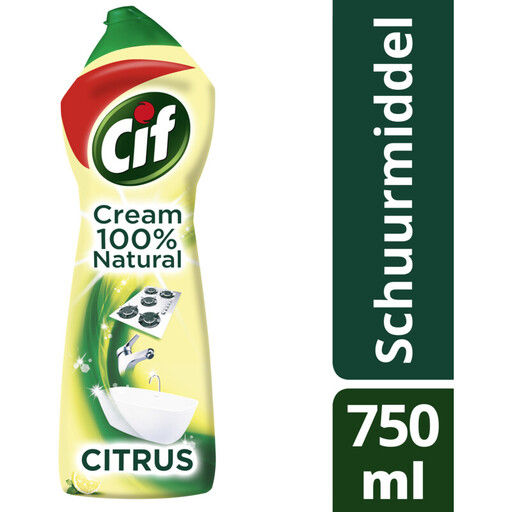
Why this fits the profile: An option for kitchen and bathroom surfaces where grease, stubborn dirt or limescale build-up occurs.
It is an abrasive cleaner and therefore requires use with a damp cloth, wiping and rinsing. Avoid contact with eyes and skin and follow the label.
According to the product information, 97% biodegradable ingredients; listed as suitable for bathroom, kitchen and surfaces around the home.
We've put together a full, up-to-date list of products that fully meet these strict selection criteria and current European safety regulations.
Lemon juice is an ingredient for cooking, baking, dressings or drinks. Lemon squash is a ready-to-drink beverage containing water, sweeteners or sugar, lemon juice, flavourings and sometimes carbonation. Read the label to compare the percentage of lemon juice and the amount of sugar.
This varies by product. Store opened lemon juice according to the label, usually refrigerated and tightly sealed. Check the best-before date or the period stated after opening. Do not use a bottle if the seal is damaged at the time of purchase.
No. An all-purpose cleaner and a cream cleaner do not have the same application. Check the warnings for aluminium, linoleum, plastic and painted surfaces, among others. If in doubt, test a small hidden area first, use the recommended amount and rinse if the label says so.
