
Vandaag of morgen in huis

Kwaliteit gegarandeerd

Welkomstaanbiedingen ontgrendelen: GRATIS bezorging | Tot 80% korting | Gratis 30 dagen JoyPlus-proefperiode
Download de app
A lemon-lime soft drink might seem like a simple choice, but the differences between products are often in the details. Whether you're looking for a refreshing drink for home, a picnic or a party, factors such as flavour, sugar content, size and shelf life all come into play.
Marketing terms like "natural", "refreshing" or "authentic" don't always tell the full story. That's why it's best to check the label. A drink with lemon and lime may contain fruit juice, but it could also be made up mostly of carbonated water, flavourings, sugar and sweeteners.
A bright colour or an international look doesn't automatically guarantee the taste. Ice Talk Blue Lemon Ade, for example, gets its blue colour from spirulina extract. According to the product information, this drink also contains water, sugar, concentrated lemon juice, citric acid, natural flavourings and vitamin C. So the colour is mainly a visual feature; for the real composition, look at the ingredients list.
With sugar-free soft drinks, sugar is usually replaced by sweeteners. G'woon Lemon Lime Zero Soda lists acesulfame-K and sucralose on its label. 7UP Zero Sugar mentions aspartame and a source of phenylalanine. Sprite Zero Sugar contains acesulfame-K and aspartame, according to the product information.
So when checking a zero soft drink, don't just look at the sugar content – also check which sweeteners are used. People who need to limit their phenylalanine intake should pay extra attention to the warning on products containing aspartame.
A 1.5-litre bottle is handy for a family or party, but once opened, the fizz gradually fades. Small cans and bottles are often more practical when several people want to try different flavours. Also consider storage space, chilling and the number of servings.
Compare the nutritional values per 100 ml, not just per pack. In the current range, the values vary:
A small 330 ml can obviously contains more sugar and energy than the per-100 ml value suggests. So when comparing, do the maths based on the amount you actually drink.
Not every lemon and lime soft drink contains the same amount of fruit juice. Sanpellegrino Limonata lists 11% lemon juice from concentrate, plus lemon juice. Other lemon-lime sodas focus more on natural flavourings. This can make a difference in acidity, fruitiness and intensity.
If you're after a distinct citrus taste, compare the ingredients list and the juice percentage side by side. A mention of "natural lemon-lime flavouring" is not the same as a high fruit juice content.
Choose the size based on your situation:
With a large pack of soft drink, it's wise to check the price per litre as well as the total quantity. A low unit price may not be such a good deal if the pack is smaller.
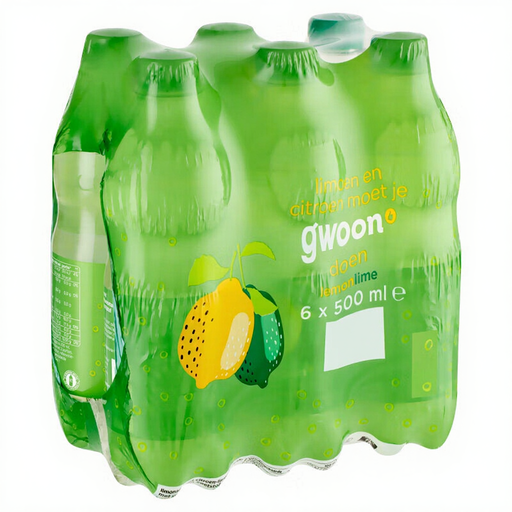
Why this fits the profile: The 6 500 ml bottles are manageable for home, on the go or a small gathering. The product information mentions a natural lemon-lime flavour and 7 g of sugar per 100 ml.
The medium size means you don't have to store an opened 1.5-litre bottle straight away.
6 x 500 ml, carbonated and suitable for multiple occasions.
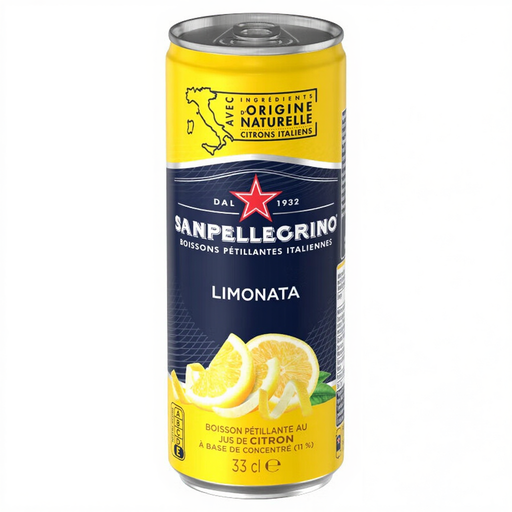
Why this fits the profile: This Italian lemonade contains 11% lemon juice from concentrate, according to the product information, and is designed to be served chilled.
The stated juice percentage gives you more certainty than just a general claim about citrus flavour.
330 ml, 8 g of sugar per 100 ml and a clearly stated amount of lemon juice.
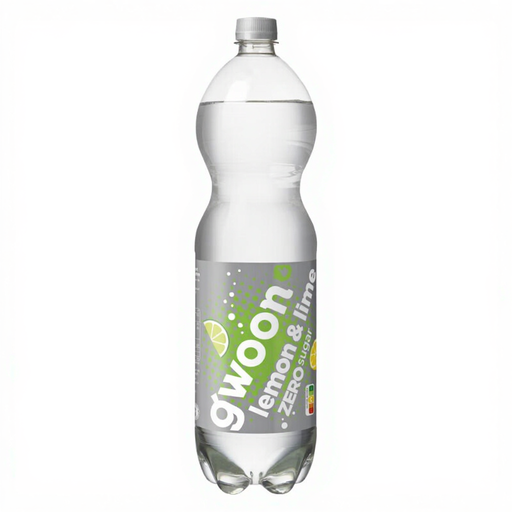
Why this fits the profile: The 6 x 1.5-litre pack is designed for regular use, larger households and parties where multiple bottles are needed.
The product information states 0 g of sugar per 100 ml; just check the sweeteners used on the label.
Large pack, 0 g of sugar and around 1 kcal per 100 ml according to the product information.
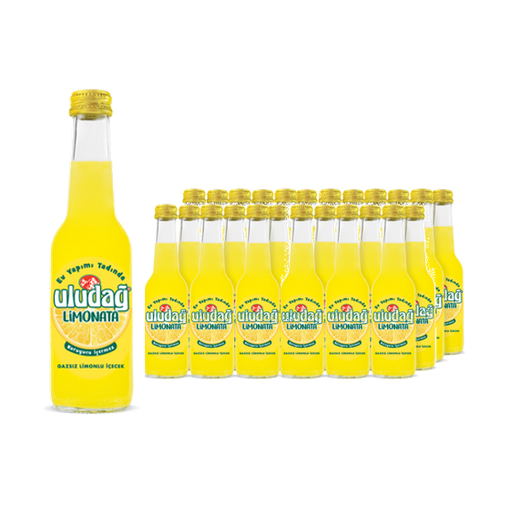
Why this fits the profile: The 24 250 ml glass bottles are ideal for parties, stocking up at home and fans of international lemonade.
The small portions reduce waste after opening. Check the actual packaging and best-before date on delivery.
24 x 250 ml in glass packaging; according to the product information, the lemonade contains 10% lemon juice.
We've put together a full, up-to-date list of products that fully meet these strict selection criteria and comply with current European safety regulations.
It varies by variant. G'woon Lemon Lime Zero Soda lists 0 g of sugar per 100 ml. 7UP Zero Sugar is also described as sugar-free. Always check the current nutritional information table and ingredients list, as zero products often contain sweeteners.
Store opened soft drinks in the fridge and seal the bottle tightly. The product information for the drinks mentioned advises cool storage away from direct sunlight and consumption within the period stated on the packaging. The exact shelf life after opening can vary from product to product.
A large pack can be practical for regular use, but compare the price per litre. Also consider the number of bottles, the volume per bottle and your available fridge space. For a one-off party, small cans or bottles can be more convenient because you can serve them individually.
