
Vandaag of morgen in huis

Kwaliteit gegarandeerd

Welkomstaanbiedingen ontgrendelen: GRATIS bezorging | Tot 80% korting | Gratis 30 dagen JoyPlus-proefperiode
Download de app
A chilled lemon iced tea may seem like a straightforward purchase, but the range varies considerably. You’ll find black tea with lemon, green lemon iced tea, sparkling varieties, Asian iced teas and concentrated lemon tea for making hot or cold drinks. The packaging also makes a difference: a 250 ml iced tea carton is convenient for drinking on the go, while a 1.5-litre bottle is better suited to a family or lunch.
When comparing products, don’t just look at the brand or attractive packaging. The key differences are usually found in the ingredients list, nutrition table and pack size.
Some packs highlight a fresh or light flavour, even though they still contain several grams of sugar per 100 ml. Always compare the nutritional values per 100 ml and per pack. A 500 ml bottle naturally contains more sugar and energy than a 250 ml serving, even when the values per 100 ml are identical.
For example, Master Kong Lemon Tea lists 9.5 grams of sugar per 100 ml. A 250 ml carton therefore contains approximately 23.75 grams of sugar. By contrast, Lipton Ice Tea Lemon lists 3 grams of sugar per 100 ml, according to the product information provided. Your flavour preference and the pack size therefore both play a part in deciding which option is most practical.
The term lemon tea or lemon iced tea doesn’t tell you how much lemon the drink contains. Some products use lemon juice from concentrate, while others combine this with flavourings and food acids. That isn’t necessarily good or bad, but it can affect the taste.
Look in the ingredients list for terms such as lemon juice from concentrate, lemon slices, citric acid and flavouring. A lemon-flavoured product can have a pronounced citrus profile without containing a high percentage of lemon juice. If you’re looking for a more intense, syrupy lemon tea, you’re more likely to find it in a concentrate such as Nokchawon Citron Tea or Delief Citron Tea.
An iced tea multipack is useful for an office, family, party or catering setting. However, 24 bottles or cans is a less sensible purchase when you’re trying an unfamiliar flavour for the first time. If you’re unsure, start with a 6-pack of 250 ml portions or a 1.5-litre bottle.
Also check the storage instructions. Ready-to-drink iced tea usually needs to be refrigerated after opening and consumed within the time stated on the packaging. This is easier with smaller portions than with a large bottle.
Black tea with lemon generally has a fuller tea flavour. Green lemon iced tea can taste lighter and fresher. The exact flavour depends on the tea extract used, the amount of lemon, sweeteners and flavourings.
If you want to avoid caffeine, a herbal variety may be a better choice. Ginger Lemon Tea Natural is described as a caffeine-free drink made with ginger and lemon. Always check the current ingredients on the packaging, as recipes can vary between brands or countries of production.
Choose the pack size according to how you plan to use it:
With multipacks, check the total volume. Six 250 ml packs contain 1.5 litres in total. A tray of 24 500 ml bottles contains 12 litres, but it also takes up more storage space.
Compare energy, carbohydrates, sugars and salt per 100 ml. Products containing steviol glycosides or erythritol may have a different flavour profile from varieties made with sugar or fructose syrup. Naïsnow Yashi Xiang Lemon Tea, for example, lists erythritol and steviol glycosides and provides 21 kcal per 100 ml.
Also check the allergen information, particularly for imported Asian drinks. Oishi Black Tea Drink Lemon Ice Tea, for example, lists cereals containing gluten in its allergen information. Always check the current label before buying, especially if you need to avoid food allergens.
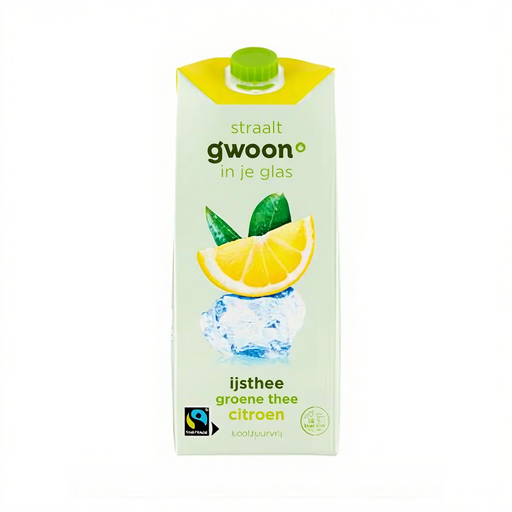
Why it suits this profile: The 1.5-litre bottle is ideal for chilling and sharing at home, without committing to a large multipack. The product information lists green tea, lemon juice from concentrate and steviol glycosides.
The pack size and nutritional values are clearly stated, so you can compare this larger format before ordering.
1.5-litre pack; green tea; 2.21 g of sugar per 100 ml according to the product information.
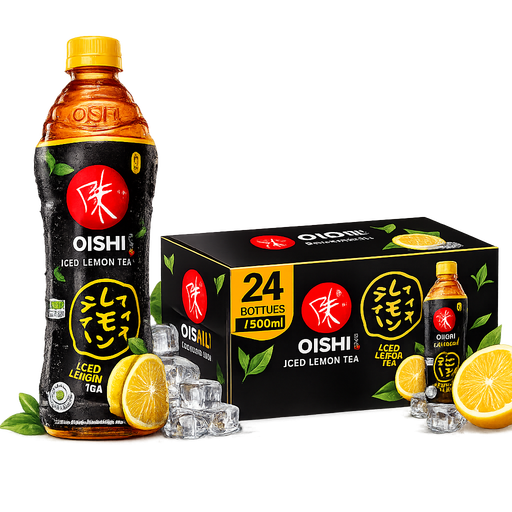
Why it suits this profile: This Asian iced tea comes as 24 bottles of 500 ml. It’s a good fit for shoppers looking for a recognisable black tea flavour and a generous supply.
The volume per bottle and the total quantity are clearly stated in advance. However, check the listed allergen information and make sure you have enough storage space.
24 bottles of 500 ml; black tea from Thailand according to the product description; serve chilled.
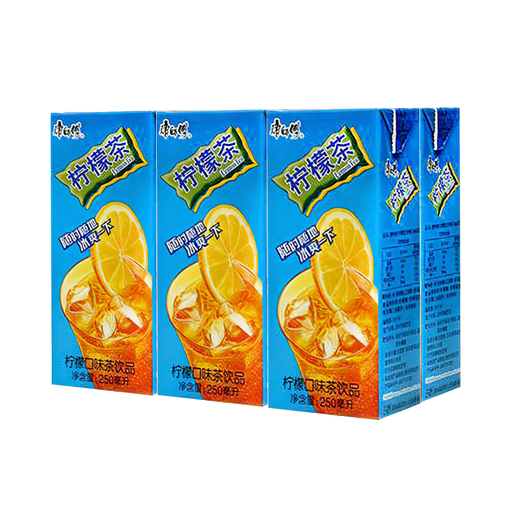
Why it suits this profile: Six individual 250 ml servings are practical for an office, lunchbox, cupboard or event where several people want their own pack.
The serving size helps to reduce waste after opening. The product information also lists the ingredients, nutritional values and storage advice.
6 x 250 ml; ready to drink; black tea with lemon and 38 kcal per 100 ml according to the product information.
We’ve put together a complete, up-to-date list of products that fully meet these strict selection criteria and the applicable European safety regulations.
Ready-to-drink iced tea can be enjoyed straight away and is usually the easiest option for drinking on the go. A concentrate offers more flexibility: according to the product descriptions, Nokchawon Citron Tea in a 480-gram pack and Delief Citron Tea in a 560-gram pack can be mixed with hot or cold water. Do pay attention to the nutritional values. Nokchawon lists 55 grams of sugar per 100 grams, so the prepared drink can be noticeably sweet depending on how much concentrate you use.
For a hot drink, you could also choose ginger lemon tea or an instant lemon tea mix. Ranong Tea Instant Lemon Lime Thai Tea Mix comes in seven sachets and, according to the preparation instructions, can be served with 150 ml of hot water or with ice.
A 250 ml pack is compact and means you won’t need to store a large bottle after opening it. A 6-pack, such as Master Kong Lemon Tea or a Vitasoy variety, is practical when you want to buy several servings at once.
This varies by product. Many drinks need to be refrigerated and consumed within 24 hours, 48 hours or three days. Always follow the instructions on the label. Unopened packaging should generally be stored in a cool, dry place away from direct sunlight.
Not necessarily. The tea base mainly determines the aroma, while the sweetness comes from sugar, fructose syrup and sweeteners. Compare the nutrition table per 100 ml rather than relying solely on the words green, black or lemon on the front.
