
Vandaag of morgen in huis

Kwaliteit gegarandeerd

Welkomstaanbiedingen ontgrendelen: GRATIS bezorging | Tot 80% korting | Gratis 30 dagen JoyPlus-proefperiode
Download de app
A lemon drink may seem easy to choose, but the range varies widely. Are you looking for a classic lemonade, a fizzy soft drink, a bottle of lemon iced tea or a sugar-free option for when you’re out and about? Taste and brand are not the only factors that influence your choice. The amount of sugar, pack size, caffeine content and alcohol percentage also make a difference.
Marketing terms such as “light”, “natural” or “refreshing” do not always tell the whole story. So first check the product information on the label and choose packaging that suits how and when you plan to use it.
A drink with a fresh or light taste may still contain sugar. For example, according to the product information, Vita Lemon Tea Drink contains 10.2 grams of sugar per 100 ml. In a 250 ml bottle, that works out at around 25.5 grams of sugar. The Master Kong Lemon Tea contains 9.5 grams of sugar per 100 ml according to the label.
Always compare the nutritional values per 100 ml. Information given per serving or bottle may provide a less direct basis for comparison.
The amount of actual lemon juice varies from one product to another. G’woon Clear Lemon, for example, lists 0.01% lemon juice from concentrate, while according to its own product information, Uludağ Limonade contains 10% lemon juice. A strong lemon flavour can also come from flavourings, food acids or sweeteners.
If you are looking for a pronounced citrus profile, it is worth checking the ingredients list and quantitative indication.
A tray of 24 cans or bottles may offer good value per serving, but it requires storage space and a steady rate of consumption. For a household with limited fridge space, six smaller packs or one 1.5-litre bottle may sometimes be more convenient. Also consider the packaging material: glass is well suited to serving at a dinner party, while a PET bottle is easier to take with you.
For everyday use, the difference between regular and sugar-free lemon drinks is relevant. According to the product information, 7UP Lemon Lime contains 4.6 grams of sugar per 100 ml. The 7UP Zero Sugar Lemon and Lime Soda contains less than 1 kcal per 100 ml according to the same information and uses aspartame as a sweetener. G’woon Clear Lemon also lists 0 grams of sugar per 100 ml, with sucralose and acesulfame-K among its ingredients.
When it comes to sweeteners, check the complete ingredients list. 7UP Zero Sugar also states that the product contains a source of phenylalanine. This is important information for people who need to avoid this ingredient.
A fizzy lemon drink creates a tingling sensation in the mouth, while a still lemon tea is smoother to drink. G’woon Lemon Iced Tea is lightly carbonated and contains 0.1% tea extract and 0.1% lemon juice from concentrate according to the product information. Lipton Ice Tea Lemon is a still iced tea with black tea extract and 0.1% lemon juice from concentrate.
If you are expecting a classic lemon tea, it is therefore better to look for “still” or “non-carbonated”. For parties or with a meal, a carbonated lemon soft drink is often a better fit.
Not every lemon drink is intended to be an everyday thirst quencher. A lemon energy drink or lemon-lime pre-workout product may contain a considerable amount of caffeine. Optimum Nutrition Pre-Workout Shot Lemon Lime lists 175 mg of caffeine per 60 ml bottle. Ghost Energy lists 200 mg of caffeine per 473 ml can. According to the product warnings, these drinks are intended for adults, and their use is not recommended for children, pregnant women or people who are sensitive to caffeine.
Limoncello also belongs to a different category. According to the product information, Li Limoncello contains 14.5% alcohol and is suitable for adults only. Always check the alcohol percentage and the legal age limit when buying alcoholic drinks. Drink responsibly and do not use limoncello as an alternative to soft drinks or iced tea.
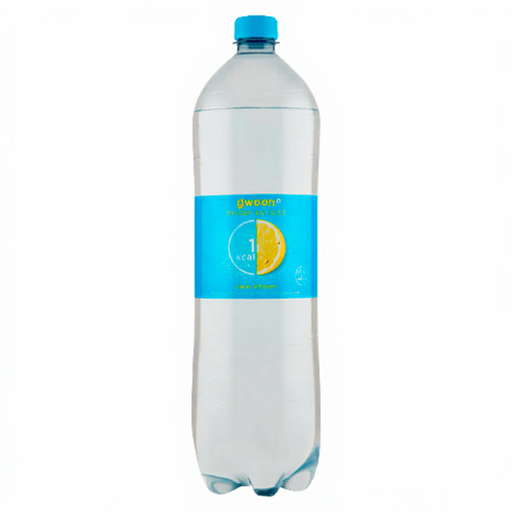
Why it suits this profile: A large bottle is practical for use at home and sharing. According to the product information, this lemon drink contains 0 grams of sugar and 1 kcal per 100 ml.
The nutritional information makes it clear that “sugar-free” is not merely a description of the flavour. The ingredients do include sweeteners and flavourings, so check the label if you prefer to limit these.
1.5-litre capacity, carbonated and sugar-free according to the label. Suitable for the fridge, lunch or visitors.
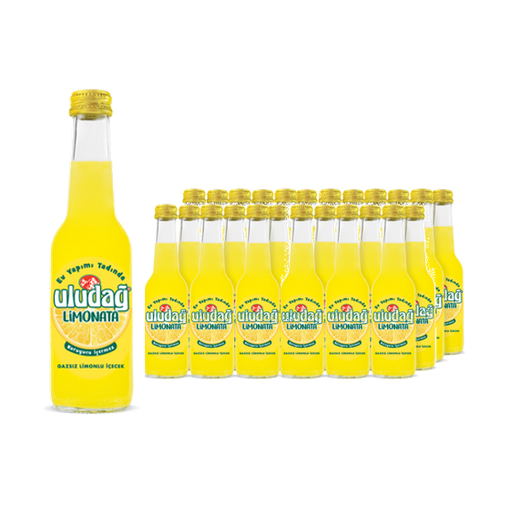
Why it suits this profile: The 250 ml glass bottles are designed for serving by the portion, for example at dinner or a party. According to the brand’s own product information, this lemonade contains 10% lemon juice.
The stated percentage of lemon juice provides more useful information than a simple claim about lemon flavour. The manufacturer also states that no preservatives are used; always check the current packaging before buying.
24 individual 250 ml bottles, glass packaging and a 10% lemon juice content stated by the brand.
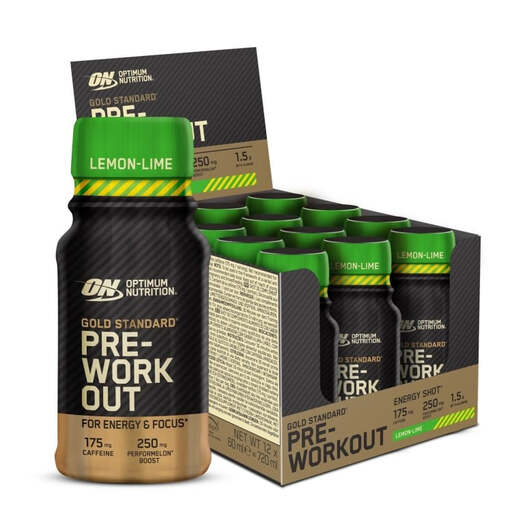
Why it suits this profile: This is not an ordinary lemon drink, but a sugar-free lemon-lime pre-workout shot for adults. The pack contains 12 bottles of 60 ml.
The caffeine content is clearly stated: 175 mg per bottle. This prevents you from accidentally using a supplement as an ordinary soft drink.
Sugar-free, 12 individual servings and 175 mg of caffeine per 60 ml according to the product information. Follow the recommended serving instructions on the label.
We have put together a complete, up-to-date list of products that fully meet these strict selection criteria and the applicable European safety regulations.
That depends on the variant. G’woon Clear Lemon lists 0 grams of sugar per 100 ml. According to the product information, 7UP Zero Sugar contains less than 1 kcal per 100 ml and uses aspartame. Always check the current label, as recipes may change.
Lemonade is usually a soft drink made with water, lemon flavouring and sweeteners or sugar, often with carbonation. Lemon iced tea contains tea extract and may be still or fizzy. Lipton Ice Tea Lemon is a still variant, for example, while G’woon Lemon Iced Tea is carbonated.
This varies by product. Store an opened container in the fridge and follow the instructions on the packaging. Some small tea drinks recommend consumption within 24 hours, while other products specify a maximum of three days. The best-before information on the product takes precedence.
