
Vandaag of morgen in huis

Kwaliteit gegarandeerd

Welkomstaanbiedingen ontgrendelen: GRATIS bezorging | Tot 80% korting | Gratis 30 dagen JoyPlus-proefperiode
Download de app
A LEGO model car can be a building project, toy and display model all at once. However, not every set is right for every buyer. A 4-year-old needs different building support from a teenager who wants to collect a LEGO racing car. There are also clear differences between LEGO Speed Champions, a LEGO Technic car and a metal diecast model car.
So don’t just focus on the colour, car brand or an attractive product image. The following three pitfalls regularly lead to disappointing purchases.
A set for ages 9+ or 10+ often contains small parts and requires more patience and precision. For young children aged 4 and over, sets with larger starter elements and a simpler building process are more practical. Always check the age recommendation on the packaging and take the small-parts warning into account.
A model featuring a recognisable car brand is not automatically suitable for intensive play. Some sets are mainly designed to be built and displayed. Others include features such as a steering mechanism, moving pistons or an opening body.
Think in advance about what matters most:
A LEGO racing car measuring around 15 to 17 cm in length will not automatically fit in every display cabinet. Also check whether stickers, moving parts and opening doors are suitable for the intended use. According to the product information provided, LEGO bricks can be cleaned by hand in lukewarm water with mild washing-up liquid, while some metal model cars may only be cleaned with a dry cloth.
For children aged 4 and over, a LEGO Friends set with 67 elements is an accessible starting point. The LEGO Friends 42675 Unicorn Cake Delivery Car has larger starter elements and is designed for simple building and imaginative play.
From age 9 onwards, more advanced LEGO Speed Champions sets become an option. According to the product description, the Porsche 911 GT3 RS contains 348 parts, while the Dodge Challenger SRT Hellcat consists of 390 parts. A higher number of parts usually means a longer building process, but on its own it says nothing about play value.
The LEGO Builder app can help with step-by-step instructions, 3D viewing, zooming in and tracking building progress. However, check whether the child can use a tablet or smartphone independently.
A LEGO Technic car is interesting for children who want to understand how movement works. According to the product description, the LEGO Technic 42208 Aston Martin Valkyrie includes:
With features like these, correctly aligning the gears, axles and pistons is important. According to the product information, adult help may be needed during assembly. This type of set is therefore less suitable as a quick gift that can be used straight out of the box.
A LEGO model is made up of plastic parts and can be adapted or rebuilt. A diecast model car generally has a metal body with plastic details and is mainly intended for display or limited play.
When choosing a diecast model car, check:
According to their product descriptions, the supplied metal model cars with Lamborghini, Ford Mustang, BMW or Volkswagen themes are intended for users aged 14 and over. They are therefore not automatically a suitable alternative to a LEGO model car for young children.
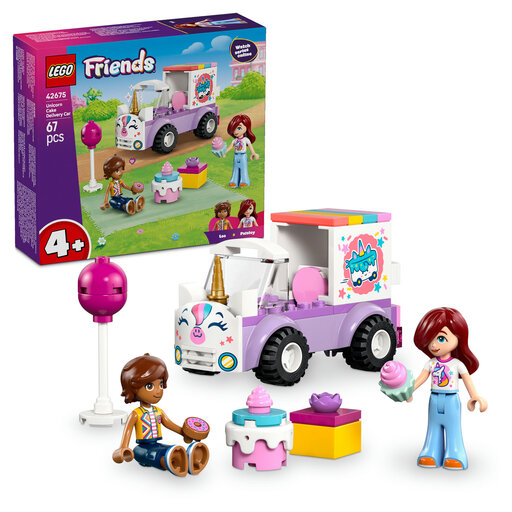
Why it suits this profile: This buildable toy car is designed for children aged 4 and over, combining building with simple imaginative play. The set contains 67 elements and two figures.
The age recommendation and larger starter elements make it easier to get started than with a complex set for older builders.
Suitable from age 4, with 2 Friends figures, a fantasy theme and digital building instructions via the LEGO Builder app.
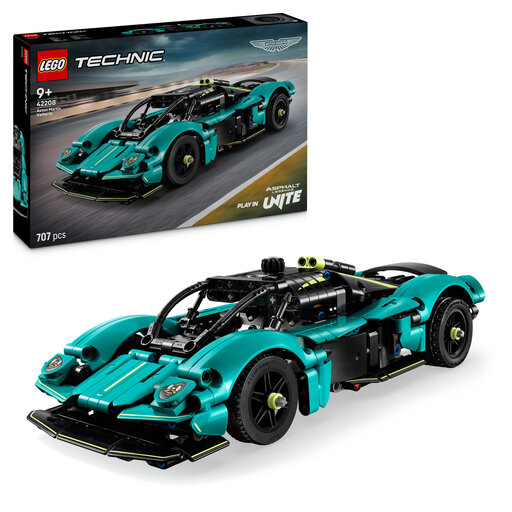
Why it suits this profile: This set is ideal for builders aged 9 and over who value technical functions and a larger display model. The stated dimensions are approximately 26.2 x 38.2 x 7.05 cm.
The moving engine, differential and steering make it clear that the set offers more than just visual details.
V12 pistons, steerable wheels, opening gull-wing doors and support via the LEGO Builder app.
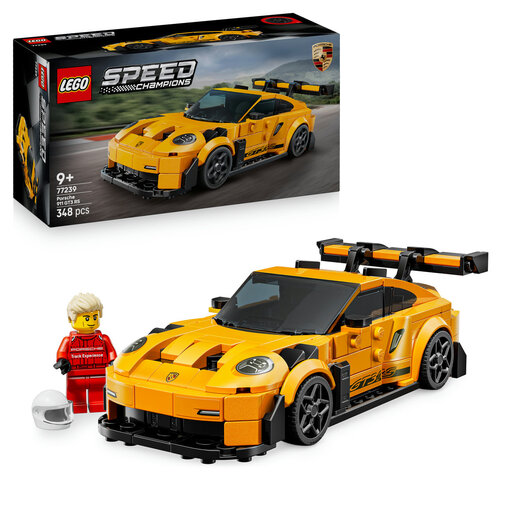
Why it suits this profile: This LEGO sports car is designed for fans aged 9 and over who want to build, race and then display the model on a shelf or desk.
The product description mentions specific details such as the rear wing, air intake and special wheels, rather than just the car brand.
348 parts, approximately 16 cm long, one driver minifigure and features for building, playing and displaying.
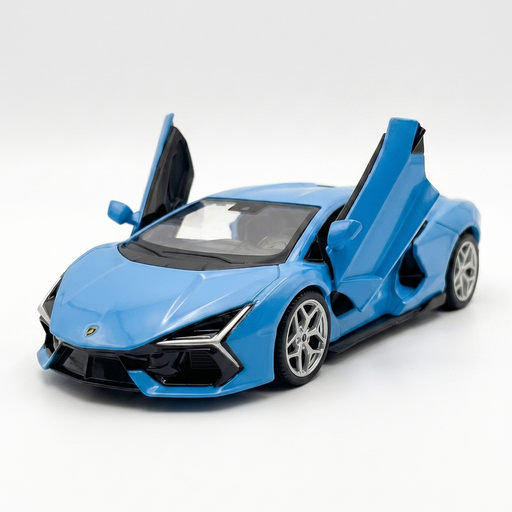
Why it suits this profile: This metal model car is ideal for teenagers and adults aged 14 and over who are looking for a compact display model with car-brand details.
The 1:36 scale, metal construction and opening doors are features you can check in advance; this is not a building set that needs to be assembled first.
Alloy body, opening doors and pull-back function according to the product description; suitable for display or limited play.
We’ve put together a complete, up-to-date list of products that fully meet these strict selection criteria and the applicable European safety regulations.
Choose a LEGO model car if building, customising and rebuilding are meant to be part of the fun. LEGO Speed Champions focuses mainly on compact replicas of well-known cars, often with a minifigure and display options. LEGO Technic places greater emphasis on mechanical functions.
A diecast model car makes more sense when the recipient wants a finished model to display straight away. Do pay attention to the recommended age. Models with metal parts and small details are often intended for teenagers and adults rather than young children.
That depends on the specific set. Choose a model with a clear 4+ recommendation, such as a LEGO Friends building set with larger starter elements. Sets for ages 9+ or 10+ contain small parts and require greater building precision. Always follow the manufacturer’s age and safety warnings.
Its lifespan depends mainly on how often the set is taken apart, moved and rebuilt. Store unused parts in a sorted manner and regularly check moving connections. With a Technic model, dust and dirt can affect the operation of the gears, axles and steering components.
A LEGO racing car does not need batteries. Ongoing costs mainly consist of replacement parts if something is lost or damaged. A diecast model car with a pull-back function is also mechanical, but parts such as doors, wheels and loose accessories can be more vulnerable during intensive play.
