
Vandaag of morgen in huis

Kwaliteit gegarandeerd

Welkomstaanbiedingen ontgrendelen: GRATIS bezorging | Tot 80% korting | Gratis 30 dagen JoyPlus-proefperiode
Download de app
At first glance, building sets seem easy to compare: look at the theme, the number of pieces and the price. But two boxes of a similar size can offer very different experiences. Some sets are mainly designed to be built and displayed, while others leave plenty of room for play with vehicles, stories and free building.
Parents, family members and anyone looking for a gift often fall into three common traps:
First, check the official age recommendation on the product page and packaging. Many classic LEGO building sets contain small parts and are intended for children aged 7, 9, 10 or 12 and over. Larger DUPLO pieces are more suitable for young children from the age of 2.
Magnetic building blocks are not automatically suitable for every age group, either. According to the product information, the set with 150 magnetic cubes and 24 light blocks is intended for ages 3 and up and carries a warning about small parts. Supervise young children when they play with this type of building toy.
The number of pieces gives you an idea of the set’s size, but says little about the kind of experience it offers. Here are a few examples:
Check the finished dimensions, too. A large model takes longer to build and needs a dedicated spot on a shelf or desk.
Decide how the set will mainly be used before you buy:
Also check whether batteries are needed. The building sets mentioned here are hand-operated; the Connetix Transport Pack, for example, does not use batteries.
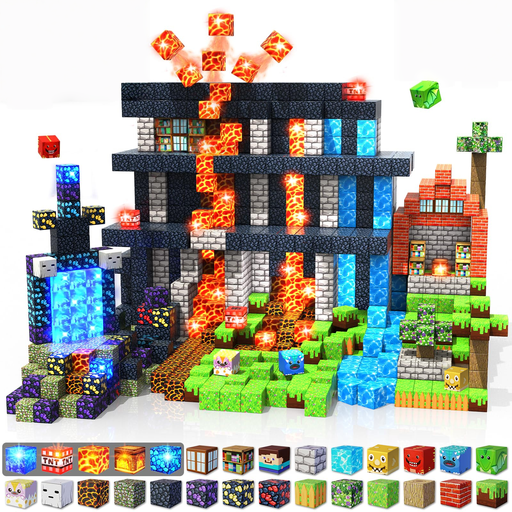
Why it suits this profile: The set includes 150 magnetic cubes, 24 light blocks, six characters and an ideas booklet. Children aged 3 and over can follow patterns or create their own constructions.
The product clearly states the age limit and offers more than one building scenario. Before buying, though, check that the child is ready for small parts.
150 magnetic blocks, 24 light blocks and themes featuring lava, portals and forests.
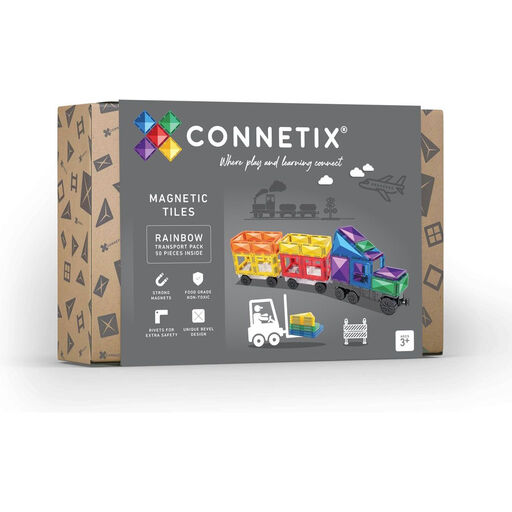
Why it suits this profile: This magnetic building set is designed for making vehicles. It includes transport bases, rubber wheels and tiles that can be combined with other Connetix packs.
The technical information covers the materials, age recommendation, care and checks for the magnets and wheel bases. This makes it easier to assess whether the set is suitable before you buy.
50 pieces, three transport bases and compatibility with other Connetix packs.
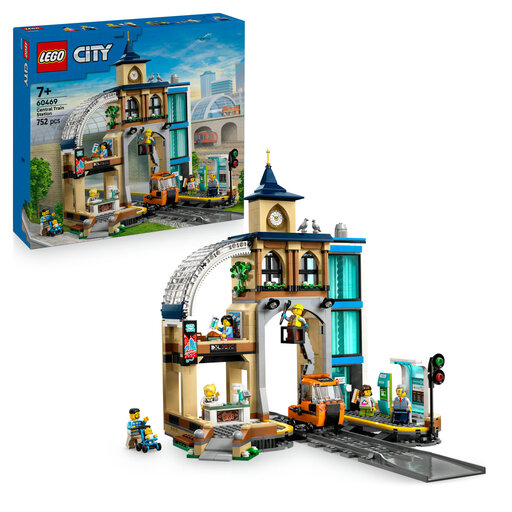
Why it suits this profile: This set is designed for children aged 7 and over who enjoy building and making up stories. The railway setting includes two platforms, a lift, a coffee shop, a control room, vehicles and several figures.
The set is about more than the finished model: minifigures, accessories and a repair van keep the role play going.
752 pieces, six minifigures, a baby figure and two pigeon figures; digital instructions are available via LEGO Builder.
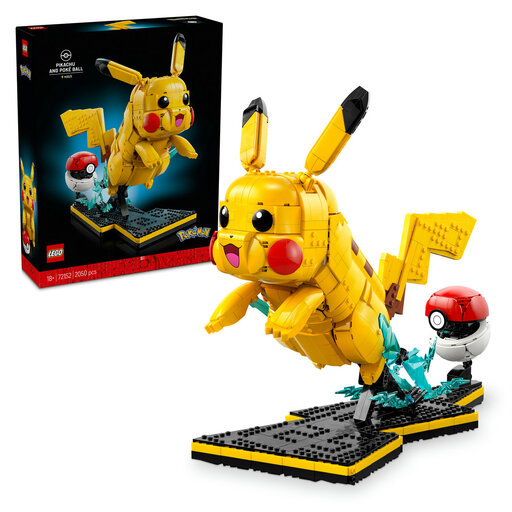
Why it suits this profile: This model is designed for fans aged 18 and over who want to build a large display piece. Pikachu has movable limbs and ears, so you can pose it in different ways.
The 2,050-piece count and stated dimensions make it clear that this is a long-term building project and display model, not a small toy for children.
2,050 pieces, a Poké Ball display and a model over 35 cm tall, according to the product information.
We’ve put together a complete, up-to-date list of products that meet these strict selection criteria and current European safety regulations.
Buying a LEGO gift for someone else takes a little extra thought. Keep these points in mind:
For larger boxes, think about storage space, too. A model several dozen centimetres wide or deep won’t fit on every shelf. If you’re buying a gift, it’s worth checking beforehand whether the recipient wants to build the model, display it or use it for play regularly.
It depends on the set. Some products, such as certain magnetic building blocks, are designed for children aged 3 and over. Classic sets often contain smaller parts and have a higher age recommendation. Always check the warnings on the specific product page.
Lifespan depends mainly on use, storage and care. Keep pieces dry and sorted, avoid exposing them to heat, and regularly check magnetic sets for loose magnets, cracks or wheels that have come loose. LEGO bricks can be reused as long as they aren’t damaged.
The building sets in this guide work without batteries. The main costs are therefore the purchase price, any expansion sets and enough storage space. With expandable magnetic building sets, an extra pack can offer more building possibilities later, but it isn’t essential for getting started.
