
Vandaag of morgen in huis

Kwaliteit gegarandeerd

Welkomstaanbiedingen ontgrendelen: GRATIS bezorging | Tot 80% korting | Gratis 30 dagen JoyPlus-proefperiode
Download de app
Buying a LEGO airplane seems simple, but the sheer variety can be overwhelming. You want a set that matches a child's age and interests, ensuring the bricks don't just end up in a closet after a single build. The choice between a passenger jet, a rescue plane, or a technical model can mean the difference between hours of engaging play and a purchase you regret. This guide will help you make an informed decision based on key features to find the perfect LEGO airplane building kit.
To find the right set, it's helpful to consider a few objective criteria. These parameters will help you filter the options and choose a model that's a perfect fit for the recipient.
The recommended age on the box is a key indicator of complexity.
The theme largely determines how the model will be played with.
The number of parts gives an indication of the build time and the final size of the model. A set with 100-200 pieces can typically be built in under an hour, while a set with over 900 pieces can be a project spanning several hours or days. Be sure to check the dimensions of the completed model to avoid any surprises.
Below is a selection of different LEGO airplane sets, each with unique features. These recommendations are based on product specifications and the intended play experience.
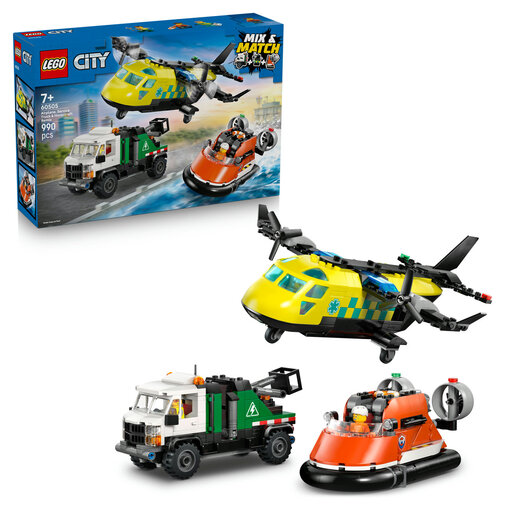
Why We Picked It This set stands out with its modular design. The three vehicles (airplane, hovercraft, service truck) consist of interchangeable parts. This encourages children to build their own unique creations, significantly increasing its replay value.
Key Features
Who is this for? For creative builders aged 7 and up who love action, rescue missions, and customising their toys. It's an excellent choice for children who quickly get bored with standard models and enjoy inventing their own variations.
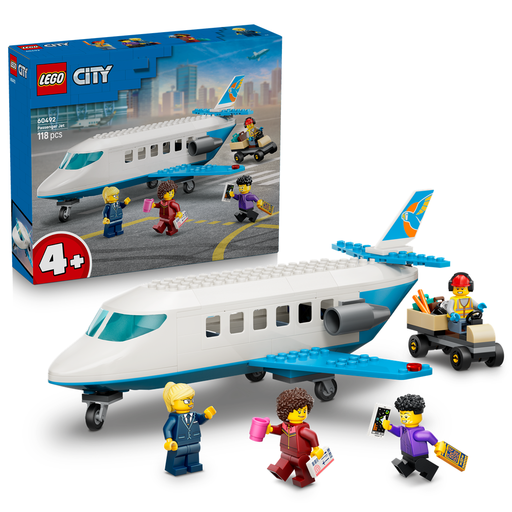
Why We Picked It This LEGO passenger airplane is specifically designed for young builders. The inclusion of a Starter Brick and clear instructions make it an accessible introduction to the world of LEGO. The focus is on a quick and rewarding building experience.
Key Features
Who is this for? Ideal as a first toy airplane for children aged 4 and up. It's a perfect gift for toddlers and preschoolers who are new to LEGO and enjoy role-playing stories about travel and airports.
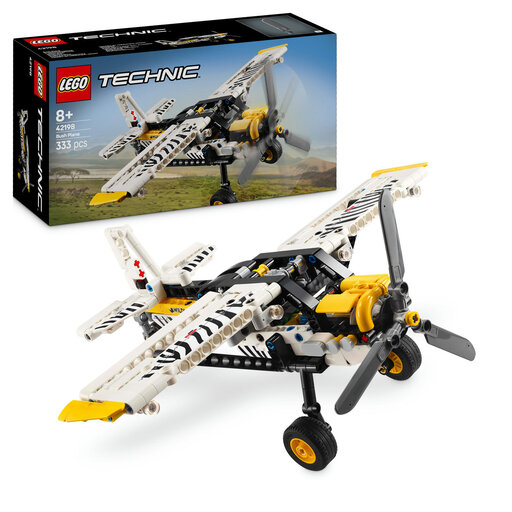
Why We Picked It This LEGO Technic airplane offers a deeper insight into mechanics. According to the manufacturer, LEGO System A/S, the realistic movements and mechanisms of Technic sets are designed to introduce young builders to the world of engineering.
Key Features
Who is this for? For inquisitive children aged 8 and up with an interest in how things work. It's an excellent choice for those who want to move beyond standard bricks and are looking for the challenge of building functional models.
This selection showcases the diversity within the LEGO airplane range. If the ideal set for you isn't here, or if you're looking for other types of flying toys, a wider assortment is available. Explore different themes, sizes, and brands to find the model that perfectly matches your needs.
Check out our full range of airplane toys for more options.
1. From what age is a LEGO airplane suitable? There are LEGO airplane sets for various ages. The LEGO City 4+ line is specially designed for children from 4 years old, featuring larger starter pieces. For older children, there are more complex LEGO City (ages 7+) and LEGO Technic (ages 8+) models that offer a greater building challenge and technical features.
2. What is the difference between a LEGO City and a LEGO Technic airplane? The main difference is the focus. LEGO City centers on role-playing and building relatable scenarios with minifigures. LEGO Technic focuses on realistic mechanical functions, like working engines and adjustable wings, and provides a more technical building experience.
3. What is the best way to clean a LEGO airplane? According to LEGO's guidelines, the best way to clean the bricks is with a soft, dry cloth. For more stubborn dirt, you can use a cloth lightly dampened with water. It is not recommended to fully submerge the parts in water or use chemical cleaning agents, as this can damage the plastic and any mechanical components.
