What should you look for when choosing?
First decide whether you’ll eat the soup within two days or freeze portions for later. Then measure your containers and the space available before comparing the stated capacities in litres.
| What to consider |
What to look for |
Who is this most relevant to? |
| Safe, organised chilling |
Check whether sealed containers will fit separately from raw foods. The Netherlands Nutrition Centre advises setting the fridge to 4 °C and putting leftovers in the fridge within two hours. |
If I want to store several containers safely at once, I’ll look at the temperature and layout. Around 36% of consumers prioritise safe, organised chilling. |
| Keeping portions for longer |
Compare the freezer space separately and check whether your containers fit in the freezer drawers. The Netherlands Nutrition Centre advises freezing soup that will be kept for longer than two days. |
If I want to save portions for later, I’ll need suitable freezer space as well as fridge space. Around 29% of consumers prioritise freezing portions. |
| Usable space and positioning |
Measure your containers, shelves and the space available for the appliance. The Consumers’ Association notes that drawers and shelves reduce usable capacity. |
In a small kitchen, the fridge needs to fit in the available space, and the containers need to fit on the shelves. Around 21% of consumers focus on the fit and space for containers. |
| Energy consumption |
Once you’ve found a suitable size, compare the annual kWh consumption on the energy label. Milieu Centraal also recommends thinking about how often a second fridge is switched on. |
If I use an extra fridge, I’ll consider its energy consumption as well as the space I need. Around 14% of consumers prioritise energy consumption. |
Joybuy fridge-freezers
The Joybuy products below are fridge-freezers for anyone who wants to keep chilled portions and freeze soup for later. Compare the fridge and freezer space separately: freezer space can’t be used for containers of chilled soup.
 No image available
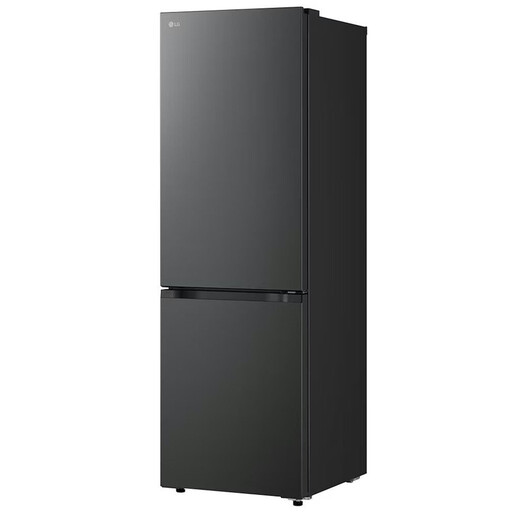
LG GBBSJ1CCEP fridge-freezer
Suitable if you want to store chilled portions of soup separately from portions for the freezer.
220 litres of fridge space and 113 litres of freezer space; the recommended fridge setting is 4 °C.
The freezer space is included in the total capacity and can’t be used for chilled containers.
View at Joybuy
 No image available
Midea MDRB457FGE46 fridge-freezer
Suited to anyone who wants separate spaces for chilled portions and soup to keep for longer.
232 litres of fridge space and 98 litres of freezer space, with electronic temperature control and four fridge shelves.
The total capacity of 330 litres includes 98 litres of freezer space.
View at Joybuy
 No image available
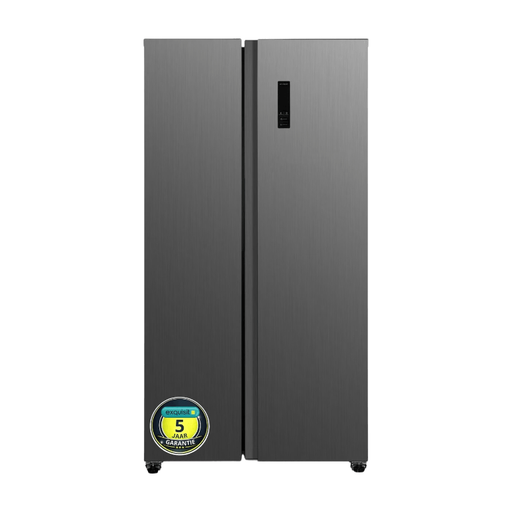
Frilec CDJ445-041EG fridge-freezer
Suitable if you want separate space for containers in the fridge and portions in the freezer.
291 litres of fridge space and 151 litres of freezer space; the fridge has five glass shelves.
The freezer space can’t be used for containers of chilled soup.
View at Joybuy
 No image available
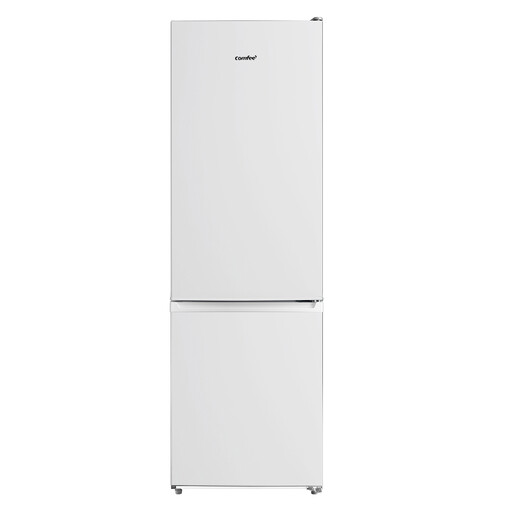
Comfee RCB310WH2EU(E) fridge-freezer
An option if you want to combine chilled portions with freezer space for soup to eat later.
224 litres of fridge space and 86 litres of freezer space; the fridge compartment has a Super Cooling function.
The total capacity of 310 litres includes the freezer space.
View at Joybuy
 No image available
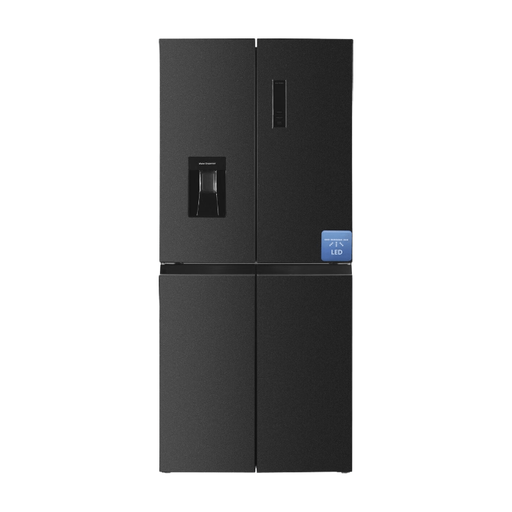
Frilec BONN-MD458-WS-040DDI fridge-freezer
Suitable if you want to chill sealed containers and freeze portions too.
269 litres of fridge space and 150 litres of freezer space, with adjustable glass shelves and a reversible door.
The freezer space can’t be counted as space for chilled soup containers.
View at Joybuy
Frequently asked questions
How should you store leftover soup after a community meal?
Cool the soup quickly and divide it into clean, sealed containers. The Netherlands Nutrition Centre advises putting leftovers in the fridge or freezer within two hours of cooking and setting the fridge to 4 °C. Adding a date to the containers makes them easier to keep track of.
How long can soup be kept in the fridge?
The Netherlands Nutrition Centre advises eating chilled leftovers within two days. Freeze portions if you want to keep them for longer. Reheat leftovers until they’re piping hot throughout, stirring well, and don’t reheat a portion that has already been reheated.
Is a small freezer compartment enough to freeze soup?
Not every freezer compartment is suitable. The Netherlands Nutrition Centre notes that one- or two-star freezer compartments can’t reach the recommended freezing temperature of −18 °C. Check the type of freezer compartment and the instructions before relying on it for long-term storage.
Is the fridge display enough to check food at an event?
For food sold at markets and events, the Netherlands Food and Consumer Product Safety Authority (NVWA) advises checking the temperature of perishable food with a digital probe thermometer. Simply reading the fridge display isn’t enough. In this context, the NVWA specifies storing food at no more than 7 °C. This differs from the Netherlands Nutrition Centre’s advice to set a home fridge to 4 °C.
What should you look for in the energy consumption of a second fridge?
Compare the annual kWh consumption on the energy label and consider how often the appliance is switched on. Milieu Centraal recommends considering whether to use a second fridge only for occasional gatherings, or to choose one suitably large appliance. Running costs also depend on usage and your energy tariff.


