If you’ve already cooked the leek and potato in a pan, a stick blender is usually the most practical choice: there’s no need to transfer the soup, and you’ll generally have less washing-up. A jug blender is better for larger, sufficiently liquid batches when a smooth result matters; always check the model-specific instructions before blending hot soup. Choose a soup maker mainly if you also want to cook the soup in the same appliance and its capacity suits the amount you need for lunch.
Who are these options for?
If you want to blend straight in the pan
You’ve already cooked the vegetables in a soup pan and want to blend the soup without transferring it or creating much extra washing-up. The Consumentenbond describes blending directly in the pan as a practical use for a stick blender.
If you want to blend hot soup carefully
You want to know in advance what the instructions say about hot soup, steam and splashes. The Consumentenbond highlights the importance of a heat-resistant jug; you should also follow the instructions for your chosen model.
If you want to cook and blend in one appliance
You’re looking for one appliance to cook and blend your soup. Check that the permitted capacity per cycle is enough for the lunch you want to make.
What should you consider when choosing?
Stick blender
Best for: soup that’s already been cooked in a pan and can be blended straight in it.
The trade-off: less transferring and generally less washing-up, but the result may not be as smooth as with a jug blender.
Jug blender
Best for: larger, sufficiently liquid batches when a smooth result matters.
The trade-off: you’ll need to transfer the soup and clean the jug; check whether the model is suitable for hot ingredients.
Soup maker or blender with a cooking function
Best for: anyone who wants to cook the soup in the same appliance as well as blend it.
The trade-off: programmes combine different steps, but the amount you can make per cycle depends on the model’s permitted capacity.
| What to consider |
What to look for |
Especially useful for |
| Blending in the pan |
Check whether the foot is detachable and whether the foot and cord work well with your pan. |
If I’ve already cooked the soup in the pan, I don’t want to transfer the hot contents first. Around 40% of consumers rank blending directly in the pan as their top priority. |
| Hot soup and splashes |
Check the instructions for hot ingredients, maximum fill levels and steam; with a stick blender, submerge the foot before you start. |
If you want to blend hot soup carefully, check the instructions for the specific appliance first. Around 30% of consumers say handling hot soup safely is their top priority. |
| Portion size and texture |
Compare the amount you want to make with the permitted capacity; the jug’s stated capacity doesn’t necessarily tell you how much hot liquid it can safely hold. |
If I’m making a larger batch and want a smooth result, I weigh up the permitted capacity against the need to transfer the soup. Around 20% of consumers choose portion size and texture as their main consideration. |
| Combining cooking and blending |
Check the model’s programmes, minimum and maximum fill levels, and cleaning instructions. |
If you also want to cook the soup in the same appliance, you need to know how much soup it can hold per cycle. Around 10% of consumers make combining cooking and blending their top priority. |
Common buying pitfalls
-
Assuming the stated jug capacity is the safe capacity for hot soup
A stated capacity doesn’t confirm how much hot soup a particular model can process. Bosch lists a 1.5-litre jug for the MMB6141B, but that figure doesn’t specify a temperature limit or a maximum capacity for hot liquids.
Before buying, read the instructions for the exact model, including guidance on hot ingredients, steam, the lid and maximum fill levels.
-
Buying a soup maker when you only want to blend
If the soup has already been cooked on the hob, a stick blender can blend it straight in the pan. A soup maker is mainly worth considering if you also want to cook the soup in the appliance.
First decide whether you really want to move the cooking step to another appliance; also consider the extra jug and the cleaning it involves.
-
Choosing based only on wattage or accessories
You don’t need a chopper to blend cooked soup. On the Braun MQ50236M product page, Braun lists both 1000 W in the sales copy and 750 W in the technical specifications.
Choose the preparation method and attachments you need first. If model specifications conflict, ask for confirmation before using them as a basis for comparison.
Brands to consider
Bosch
Bosch offers both stick blenders for blending in the pan and jug blenders for blending in the jug.
- Bosch lists a detachable metal foot and 12 settings for the MSM66120.
- Bosch lists a 1.5-litre jug capacity for the MMB6141B.
- The jug capacity doesn’t confirm whether the MMB6141B can process hot soup; check the model-specific instructions.
Braun
MultiQuick 5 stick blenders are an option for blending in the pan; the attachments vary by model.
- Braun lists 21 speed settings, a chopper and a whisk for the MQ50236M.
- Braun lists both 1000 W in the sales copy and 750 W in the technical specifications for the MQ50236M; don’t treat the wattage as a confirmed point of comparison.
Philips
The SoupMaker HR2203/80 is designed for anyone who wants to make soup in an appliance, rather than simply blend soup that’s already been cooked.
- Philips lists five preset programmes, including programmes for thin and thick soup.
- Check that the permitted capacity of your chosen model is right for the amount you want to make for lunch.
AENO
The TB2 is an example of a blender with a cooking function for anyone who wants to combine cooking and blending.
- AENO lists a cooking mode, six automatic programmes and a 1.75-litre glass jug.
- The stated jug capacity doesn’t automatically indicate how much hot soup it can hold; check the instructions.
Joybuy products
This selection mainly features stick blenders for soup that’s already been cooked in a pan, plus a blender whose product description also mentions a soup function.
 No image available
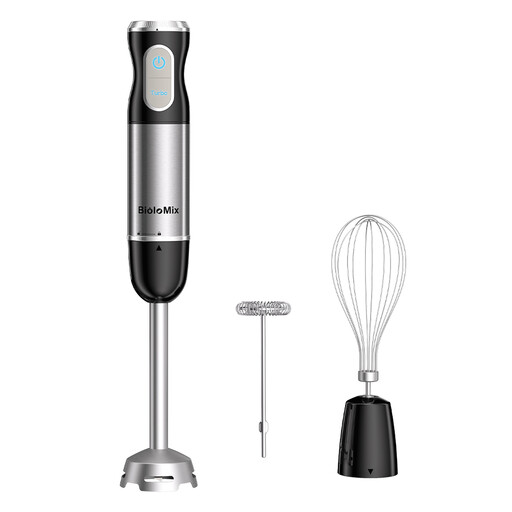
BioloMix HB3016 3-in-1 stick blender
A stick blender for anyone who wants to blend soup in a pan or suitable bowl; the product title mentions a detachable design and splash protection.
The product title mentions a turbo setting.
View at Joybuy
 No image available
Braun MQ55254M MultiQuick 5 Pro
The product description mentions smooth soups as one use; immerse the blender shaft before switching the appliance on.
The description says the parts are dishwasher-safe. Don’t use the blender continuously for more than one minute, and let it cool down between uses.
View at Joybuy
 No image available
ROUNY 4-in-1 hand stick blender
A stick blender for anyone who wants to blend soup and use a range of attachments.
The product name lists a stainless steel shaft, a maximum of 1200W, 15000rpm, a 700ml measuring beaker and a 500ml chopper. Use the appliance for no more than one minute at a time, then let it rest for one minute.
View at Joybuy
 No image available
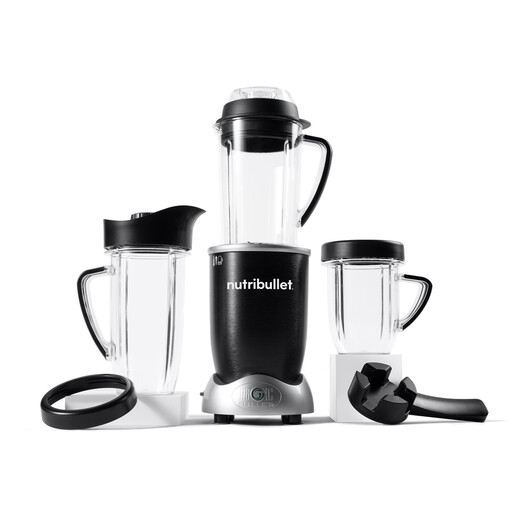
nutribullet RX 1700W blender
The product description mentions a soup function that combines heating and blending, for anyone who wants to do both in one appliance.
The product name lists 1700W; the description mentions a ventilated lid for hot ingredients. Follow the instructions for the specific model.
View at Joybuy
 No image available
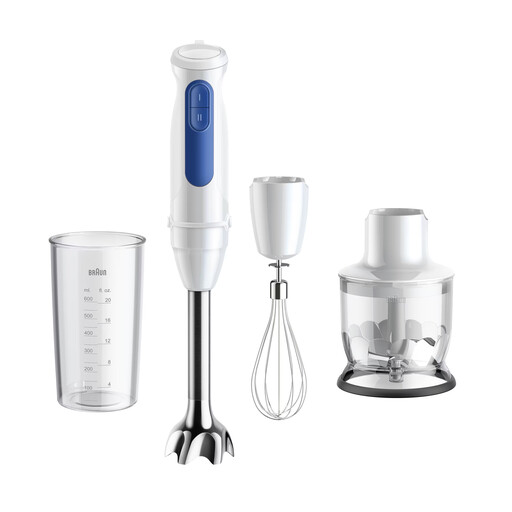
Braun MultiQuick 5 MQ30202, white
The product description lists soups as one use and mentions 25 speeds and a turbo function.
The description advises against processing boiling liquids; bear this in mind if you want to blend the soup straight after cooking.
View at Joybuy
Frequently asked questions
Can I pour boiling-hot soup straight into any blender jug?
No, don’t assume that every jug is suitable for hot ingredients. The Consumentenbond highlights the importance of a heat-resistant jug; if necessary, let hot ingredients cool a little first. Follow the instructions for your exact model on temperature, fill levels, the lid and starting speed.
How can I reduce splashing when using a stick blender?
Place the foot in the pan or bowl before switching the stick blender on, as the Consumentenbond advises. Keep the foot below the surface of the soup when you start, and follow the appliance’s cleaning instructions.
Am I always entitled to exactly two years’ statutory guarantee in the Netherlands?
No. According to the Rijksoverheid, there’s no fixed term for statutory guarantee in the Netherlands: you’re entitled to a product that does what you can reasonably expect it to do. If there’s a fault covered by statutory guarantee, you should contact the retailer; an additional manufacturer’s guarantee doesn’t replace this right.


