
Photographer of shiny pins
You can see the window or a lamp reflected in the enamel and metal edges, and want to be able to soften and reposition the light.


A small, dimmable panel is a good choice if you want to supplement window light and lift shadows on a pin. If reflections are a problem, consider a larger light source or a suitable diffuser; Adobe explains that diffused light can soften harsh highlights. If the window light is sufficient and predictable, try adjusting the position of the pin and camera first: a stated CRI alone does not guarantee natural-looking colours in your photo.
You can see the window or a lamp reflected in the enamel and metal edges, and want to be able to soften and reposition the light.
You take product photos where colours and details need to remain clear, and want to be able to control the lighting and white balance from one shot to the next.
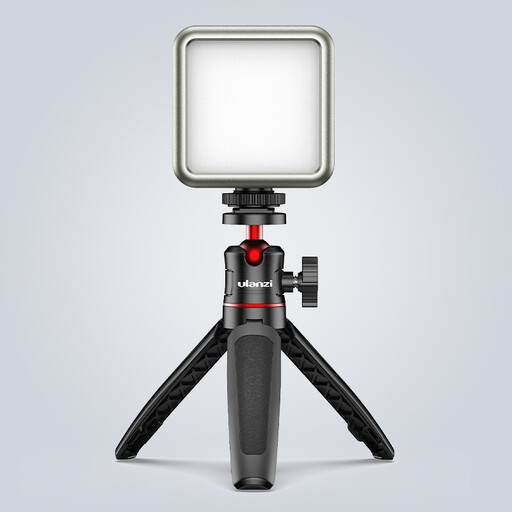
You take photos near a window, have limited space and are looking for a panel you can position precisely or set down.
| What to consider | What should you check? | Who is this important for? |
|---|---|---|
| Reflections and harsh light | Can you position the panel outside the angle of reflection, and is a suitable diffuser or softbox available or included? | When I photograph shiny enamel or metal edges, I want to be able to soften and move harsh highlights. Around 36% of consumers give reflection control top priority. |
| Colour rendering | Check the colour temperature range of the exact version and take a test shot using the white balance for your set-up. | My product photos need to show the enamel colours clearly, even when window light and LED light mix. Around 29% of consumers prioritise colour accuracy. |
| Changing window light | Check whether the panel is dimmable and whether the battery or external power supply suits the duration and location of your photo sessions. | When I photograph pins at different times, I want to be able to reset the fill light. Around 21% of consumers give consistent, repeatable lighting top priority. |
| Space and mounting | Check the dimensions and mounting options, and whether a tabletop tripod or another suitable holder is included with that version. | On a small photo table, I want to direct the light without taking up too much space. Around 14% of consumers prioritise a compact set-up. |
A CRI value is a specification of the light source; window light, white balance, your camera and the pin itself all affect the photo too.
Take test shots of the actual pin under the window and LED lighting you plan to use.
A visible panel may show up as a reflection in shiny enamel or metal. You may also need a diffuser or softbox if one is not included with that version.
Look at the pin from the camera’s position as you adjust the angle and distance of the light; then check which light modifiers are included.
The NEEWER NL-116AI is available as a standalone light and as a version with a tripod. Ulanzi lists 2500–9000 K for the Ulanzi VL49 RGB, while the Joybuy product title states 2500K–9500K.
Compare the full model and version name, the stated specifications and the contents of the specific offer before ordering.
SmallRig positions the P96 3286BC as a compact, dimmable bi-colour camera panel for targeted fill light.
Ulanzi describes the VL49 RGB as a compact battery-powered light with white-light adjustment and an RGB function; the white-light controls are relevant for product photography.
NEEWER positions the NL-116AI as a larger bi-colour panel; a version with a mini tripod may suit a fixed tabletop set-up.
amaran describes the Pano 60c Kit as a larger panel supplied with a softbox and diffuser. It may suit you if shaping the light matters more than keeping your set-up as small as possible.
This selection focuses on compact, dimmable lighting to supplement window light for macro and product photography.
 No image available
According to the product title, this compact, dimmable light is designed for macro shots and product photography, and could suit a small photo table.
The product title lists an adjustable range of 2500K–9500K, dimming, a 2000 mAh battery and a magnetic back. The product description also mentions a 1/4-inch thread.
Ulanzi lists 2500–9000 K for the VL49 RGB, so check the range for the version on offer. Use a standard 5V adapter for charging and follow the product-specific warning about fast chargers with a higher voltage.
No. First try adjusting the position of the pin and camera, and soften direct window light if needed. A panel is useful when you want to fill in shadows precisely or have more control over your lighting between sessions.
Move and dim the panel while viewing the pin from the camera’s position. If the light source is still clearly visible, try a suitable diffuser or softbox and take another test shot; diffusion does not guarantee that shiny surfaces will be free of reflections.
For each version, check whether a holder, diffuser, cable and suitable power supply are included. Follow the instructions for charging and use that came with the model you bought; don’t assume that versions with different contents come with the same battery or adapter.
For qualifying distance sales, you generally have a 14-day cooling-off period; the exact rules and any exceptions matter. The Dutch government’s website explains this cooling-off period for distance purchases. The legal guarantee that a product must be fit for purpose is separate from any additional manufacturer’s guarantee, as Business.gov.nl explains.
No. A CE mark says nothing about photographic performance. Business.gov.nl explains that CE is not a quality mark; electrical equipment sold in the Netherlands must, however, meet the applicable European requirements.