What should you look for when choosing?
First decide whether you mainly need soft light, consistent colour, a complete tabletop setup or portability. Diffusion can help spread the light when photographing small subjects. Choose your setup based on the shadows you want to retain, too.
| What to consider |
What should you check? |
Who is this important for? |
| Soft light that shows the shape |
Check whether a diffuser or softbox is included and whether you can position the panel at an angle. |
If I want the shape and stitches of my toy to remain visible, the quality of the light comes first. Around 36% of consumers give soft light top priority. |
| Consistent yarn colour |
Compare the stated colour temperature and CRI for the exact model; keep the white balance consistent across a series of photos. |
If I want the yarn colours to look consistent across several photos, colour consistency matters most. Around 29% of consumers prioritise colour consistency. |
| Practical tabletop setup |
Check which diffuser, mount, adapter or battery is included with that exact version. |
I want to be able to work at the table without having to work out later which extra parts I need. Around 21% of consumers give a complete, practical setup top priority. |
| Portability and power |
Check whether the battery is built in or needs to be bought separately, and whether you can mount the panel in your workspace. |
In a small workspace, I want to move my light source easily and, ideally, use it without a mains socket. Around 14% of consumers prioritise portability. |
Joybuy product selection
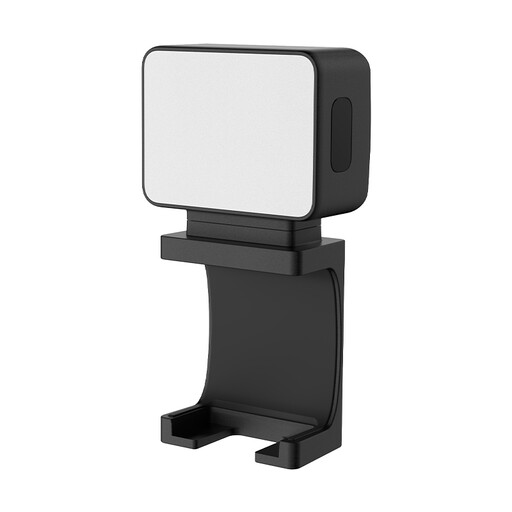
This Joybuy pick is a compact fill light for mobile product photography; it isn’t an LED panel.
 No image available
Ulanzi LM001 portable mini fill light, magnetic, 500 mAh
A compact fill light may suit you if you’re looking for a portable light source for product photography; this model isn’t an LED panel.
The product name describes a magnetic light with a 500 mAh battery. Check that its mount is suitable for your photo setup.
Joybuy
Frequently asked questions
How should I position the light if I want the stitches to remain visible?
Start with diffused light and move the panel relative to the toy until the shape and stitches look the way you want. Adobe describes a lightbox as one way to diffuse light on small subjects; don’t automatically choose this setup if you want to retain more shadows.
Do I need to buy a stand or battery separately?
It depends on the exact version. Neewer lists a separate NL660 version with a stand, and NP-F batteries aren’t included; according to SmallRig, the P96 has a built-in battery and cold shoe mount. Before buying, check what’s included and whether the mount is suitable for your setup.
What safety rules apply to electric photography lights in the Netherlands?
Electrical and electronic equipment sold in the Netherlands must meet the applicable European requirements, according to Business.gov.nl. Government guidance describes CE marking and an EU declaration of conformity as requirements for manufacturers of the relevant equipment. A CE mark on its own says nothing about photo quality; check the documentation for the version you want to buy.
Am I always entitled to exactly two years of legal guarantee in the Netherlands?
No. According to the Dutch Government, the Netherlands has no fixed statutory guarantee period: you’re entitled to a product that works properly, and what you can reasonably expect depends on the product and the circumstances. If there’s a problem, contact the seller.


