
Seller of shiny medals
You want inscriptions and relief to remain visible without large white reflections, and you can adjust the lamp, diffuser and camera angle. Nikon USA and Adobe explain how diffusion can soften harsh light and sharp highlights.


When photographing shiny medals, don’t choose on wattage or CRI alone: the size, diffusion and positioning of the light also affect how reflections and relief appear in the image. A compact battery-powered panel may suit a small workspace or work well as targeted fill light; for a repeatable setup with room for a diffuser, a larger adjustable panel is a more practical choice. Check the power supply, mounting options and what’s included with the exact version, then take test shots with your own medals.
You want inscriptions and relief to remain visible without large white reflections, and you can adjust the lamp, diffuser and camera angle. Nikon USA and Adobe explain how diffusion can soften harsh light and sharp highlights.
You’re photographing a series of medals and want to keep the light colour and setup consistent between shots. Canon Europe explains the importance of setting the right white balance in difficult lighting conditions.
You have little room for light stands or work at a table without a nearby power socket, so mounting options and power are important factors in your choice.
Choose this if: you’re working at a small table or want to add targeted light to a single medal from close up.
Bear in mind: a small light source may need extra diffusion when used with highly reflective medals. Also check how you can mount the panel securely.
Choose this if: you have room for a permanent tabletop setup and want to soften and direct the light.
Bear in mind: the setup needs space, power and suitable mounting options; what’s included can vary between versions.
Choose this if: you have room for a larger light modifier and want to control the light with a softbox.
Bear in mind: check what’s included in the complete kit and how much setup space you’ll need. Manufacturer specifications can’t predict exactly how your medals will reflect the light.
For shiny medals, the positioning and diffusion of the light are at least as important as the panel specifications. Nikon USA and Adobe explain that diffused light can soften harsh shadows and sharp highlights. Compare these considerations with the space and equipment you already have.
| What to consider | What to look for when buying | Who should consider this? |
|---|---|---|
| Reflections and relief | Check whether a diffuser or suitable light modifier is available and whether you can rotate the panel and medal. Take test shots of both sides. | Want to control reflections without washing out the inscription and relief? Around 36% of consumers put this balance first. |
| Consistent colour | Check the adjustable colour temperature of the exact model. Keep the lighting settings and white balance the same throughout a series of product shots. | If you’re photographing a series of medals, you’ll want to compare colours between images. Around 29% of consumers give repeatable colour their highest priority. |
| Space, positioning and power | Check the dimensions, mounting options and power supply; see whether the version includes a battery or mains adapter. | If you’re working at a small table or without a nearby power socket, the light needs to fit securely in your chosen position. Around 21% of consumers focus mainly on positioning and power. |
| What’s included and purchase terms | Read the packaging contents for the exact version and decide whether you’re buying as a private individual or for your business. | If you want to put together a suitable setup straight away, it’s important to know which components are included and what terms apply to your purchase. Around 14% of consumers focus most on this. |
A manufacturer’s specifications won’t tell you where the medal will reflect the panel or whether its relief will remain visible.
Also consider diffusion and positioning, and take test shots with your own medals.
The NEEWER NL660 comes with a tripod only in certain versions; the NP-F battery mentioned is not included. This may mean you’ll need to arrange suitable mounting or power for your setup.
Compare the packaging contents and power supply for the exact version you want to buy.
According to Business.gov.nl, sales to businesses generally don’t fall under consumer law, and business buyers don’t have a statutory cooling-off period. The terms that apply also depend on the capacity in which you’re buying.
Check whether you’re buying as a private individual or for business, and read the seller’s terms before paying.
The NL660 is a larger bi-colour panel for a fixed or portable photography setup.
The P260C Pro is a larger bi-colour panel with a built-in diffuser for an adjustable setup.
The P96 is a small light that’s better suited to use as a positioned fill light than as a large, diffused key light.
The P60x is a bi-colour panel designed to work with a separate light modifier.
The VL81 is a compact rechargeable panel for a small table or as a targeted addition to other lighting.
This product selection includes a compact fill light for flexible positioning in product photography; it isn’t a larger LED panel.
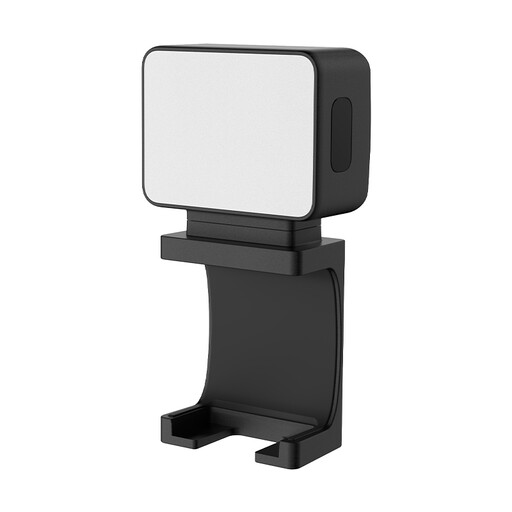 Image unavailable
A good fit if you’re looking for a compact light with flexible mounting options for product photography.
The product title lists a 500 mAh battery. The description mentions a magnetic base and 1/4-inch thread.
The stated battery life is up to 1.5 hours per charge.
It depends on the medal’s shape and finish, as well as your lighting setup. Start with one movable light and a diffuser, then rotate the medal or light and check whether the reflections, inscription and relief remain clearly visible. You can then decide whether you need extra fill light.
Keep your lighting settings as consistent as possible throughout the series and set the camera’s white balance appropriately. Canon Europe explains that white balance is important for capturing the desired colour in difficult lighting conditions.
Electrical equipment offered for sale in the Netherlands must comply with the relevant European product rules. For equipment that requires CE marking, the manufacturer declares that it complies and draws up an EU Declaration of Conformity; CE is not an independent quality mark. The rules that apply to a specific panel depend, among other things, on its power supply and any wireless functions, as Business.gov.nl explains.
Not automatically: according to Business.gov.nl, sales to businesses generally don’t fall under consumer law, and business buyers don’t have a statutory cooling-off period. Check whether you’re buying as a private individual or for business, and read the seller’s terms.