What should you look for when choosing one?
Window light with a reflector
Choose this if: you take photos during the day and mainly want to brighten the shadowed side of a jar; try placing a white card opposite the window.
Bear in mind: daylight changes in colour and intensity, as described by Nikon USA.
Small, adjustable panel
Choose this if: you want to light one jar or detail close up, and need a light that’s easy to place beside the window.
Bear in mind: a compact panel won’t necessarily light several jars evenly; check the mounting too.
Larger bi-colour panel
Choose this if: you often photograph several jars or want to adjust the colour temperature and position of the fill light.
Bear in mind: the panel takes up more space and may require a separate stand, diffuser or battery.
RGB panel for colour effects
Choose this if: you want to add a deliberate splash of colour to your setup.
Bear in mind: RGB effects aren’t a substitute for a suitable white-light setting if you want the contents to look true to colour.
When photographing glass jars, positioning and softness matter just as much as panel size. Start with soft window light and check the result in a test shot.
| What to consider |
What should you check? |
Who is this important for? |
| Shadows and reflections |
Can you move or dim the light, and will a diffuser suit your setup? |
If I want to brighten the shadowed side of a glass jar without distracting reflections, I pay attention to the position and softness of the light. Around 36% of consumers give controlling shadows and reflections top priority. |
| Colour of the contents |
Does the exact model have an adjustable white-light setting and a stated colour-rendering rating? |
When I photograph jam or pickled vegetables, I want the contents to remain recognisable under a mix of window and LED light. Around 29% of consumers prioritise accurate colour. |
| Repeatable lighting |
Will the panel cover the whole scene, how is it mounted and powered, and at what distance does the stated light output apply? |
When I photograph several jars at different times, I want to be able to recreate the lighting setup as daylight changes. Around 21% of consumers value repeatable lighting most. |
| Space and power |
Check the dimensions, mounting, battery or adapter, and what’s included in the box. |
If my worktop is small, I want to be able to position and use a light safely, without awkward loose parts. Around 14% of consumers prioritise a compact, portable setup. |
Joybuy products for small photography setups
These Joybuy products are suited to compact, portable fill lighting for small photography setups. One is an RGB light wand rather than a panel, so check that its shape suits the way you take photos.
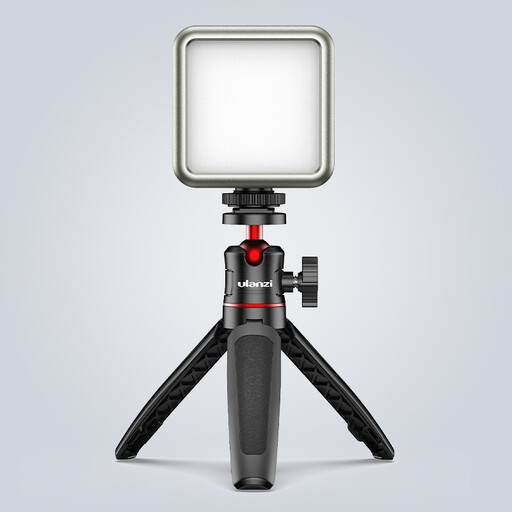 Image unavailable
Ulanzi VL49 RGB
A compact fill light for a jar or detail beside the window. Check that the magnet or another mount will hold it in the position you want.
The product name describes a dimmable light with a built-in 2000 mAh battery and a magnet on the back. Check that it’s the exact VL49 RGB version; the VL49 without RGB and the VL49 Pro are different models.
Joybuy
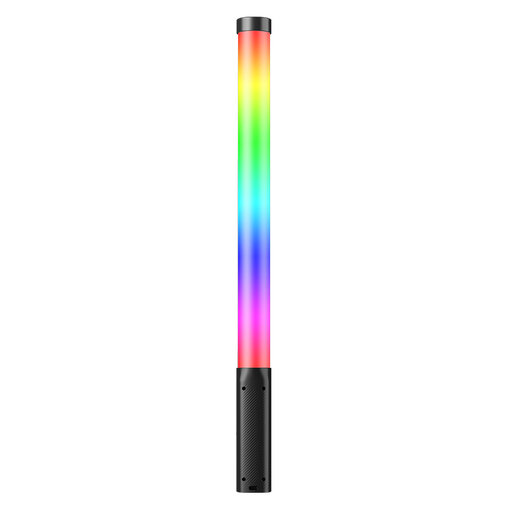 Image unavailable
Ulanzi VL119 10W RGB Light Wand
Consider this RGB light wand for a small photography setup if its shape and coloured light suit your needs; it isn’t a panel.
The product name lists RGB and 10 W. Before choosing it, check that a light wand will work for the space and lighting position you need.
Joybuy
Frequently asked questions
Do I need an LED panel if I already have window light?
Not always. Start with soft window light and a white card opposite the window. A panel can be useful if it helps you brighten the darker side, or if you need an adjustable extra light source at other times.
How should I position a light next to a glass jar?
Start with light from the side, then move the light, camera or jar until distracting reflections are reduced. If needed, try softer light and check the result in a test shot: depending on the angle and lighting, glass can look reflective or transparent.
Are a stand, diffuser, adapter and battery included?
It depends on the model and version. NEEWER says the RGB660 PRO II includes an adapter and diffuser, but not a light stand or NP-F battery. amaran says NP-F batteries are not included with the P60x. Before you buy, check what’s included in the exact kit on offer.
What can I do in the Netherlands if a light I bought online doesn’t work properly?
When you buy as a consumer, you have a legal right to a product that works as it should. Repair or replacement may be an option; if the problem isn’t resolved appropriately, you may be entitled to a refund. For a standard online purchase, you’ll generally also have a 14-day cooling-off period after delivery, subject to legal exceptions. A manufacturer’s guarantee is separate from your statutory rights.
What product safety rules apply to an electrical LED panel in the Netherlands?
The relevant European safety rules apply to electrical and electronic equipment sold in the Netherlands. The documentation and marking required for a particular model depend on the rules that apply to that product, so check its documentation. Buyers don’t need a permit to take photos at home.


