What should you look for when buying?
Choose based on the shot at your workbench: first decide how you want to control reflections and shadows, then check whether the panel can illuminate enough of the work area you need.
| What to consider |
What should you check? |
Who should pay particular attention? |
| Reflections and shadows |
Check the diffuser, adjustable direction and mounting; take a test shot of shiny components. |
If I film metal or glass, I want to be able to control distracting reflections and shadows cast by my hands. Around 36% of consumers prioritise controlling reflections and shadows. |
| Small repair details |
Compare light readings only at the same measuring distance and colour setting; check that the light reaches the work area you need. |
When working with screws and contacts, I want to see what I’m doing without relying solely on the room’s brightness. Around 29% of consumers prioritise making small details visible. |
| Colour and video recording |
Check the stated colour temperature range and take a test shot using your own camera settings. |
If daylight or other lamps are also lighting the scene, I want to keep the colour consistent across successive repair steps. Around 21% of consumers prioritise consistent colour and reliable performance when recording. |
| Space, power and kit contents |
Check the dimensions and mounting, and see whether the chosen version includes a stand, adapter or battery. |
In a small studio, I want to know whether the light will fit and can be connected or mounted at my workspace straight away. Around 14% of consumers particularly value a suitable, complete setup. |
Joybuy products
These Joybuy products are compact LED lights for targeted or supplementary lighting in camera and video shoots. Before buying, check that the specific version carries the CE mark, as well as its mounting options and included power supply.
 No image available
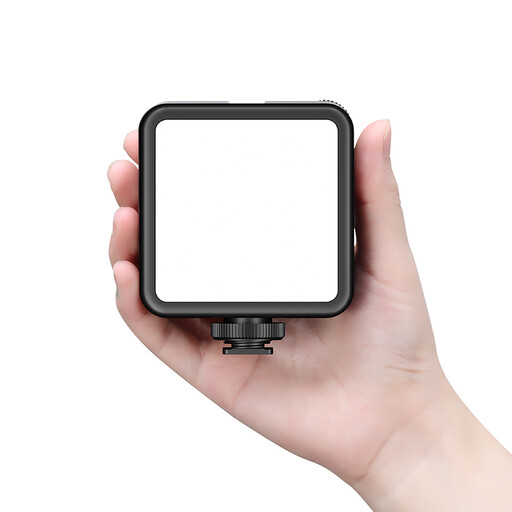
Ulanzi VL81 Rechargeable LED Video Light Black
This compact video light could be a good fit if you want to position a light close to a camera or workspace.
The product name describes a rechargeable black LED video light.
Check the mounting and power options for the version on offer, and whether the light reaches the part of the workbench you need.
View at Joybuy
 No image available
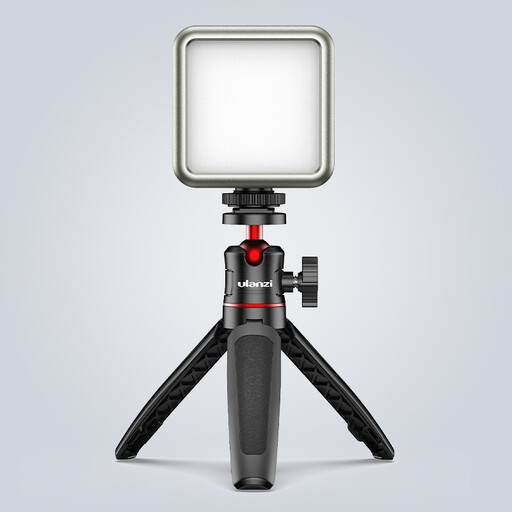
Ulanzi VL49 RGB Video Light, 2000 mAh
This compact panel could be a good fit for targeted fill light in macro or product shots.
The product name lists RGB, dimming, a colour temperature range of 2.500–9.500 K and a 2000 mAh battery.
The product information recommends avoiding damp conditions. Also check whether the light reaches your entire work area.
View at Joybuy
 No image available
Ulanzi LM001 Portable Mini Fill Light, 500 mAh
This mini fill light could be a good fit if you want to illuminate a small area around a camera or photography setup.
The product name lists a 500 mAh battery. The product description states up to 1,5 hours of continuous light per charge.
Check that the run time and mounting options suit your shoot and setup.
View at Joybuy
Frequently asked questions
Does an LED panel need to be positioned directly above the repair bench?
No, not necessarily. Take a test shot to check whether your hands are obscuring components or whether glass or metal is showing distracting reflections. Move or tilt the panel, then assess the result in your own setup.
Can I use a battery-powered panel for a long shoot?
It depends on the model, light setting and available power supply. NEEWER also lists an adapter as a power option for the NL660, but NP-F batteries are not included; according to SmallRig, the P96 has a built-in battery. Before your planned shoot, check the power options and stated run time for the exact version.
Does an LED panel need a CE mark in the Netherlands?
CE marking is compulsory for an electrical LED panel light sold in the Netherlands, according to the Netherlands Food and Consumer Product Safety Authority. Check the mark and safety information for the specific light and power supply; a CE mark alone is not proof of independent testing.
What can I do if the light breaks sooner than I expected?
If you use the product normally and it doesn’t meet what you could reasonably expect, you have a legal guarantee from the seller in the Netherlands. ACM ConsuWijzer explains that there is no fixed two-year period; the circumstances of the purchase also matter.
Do I have a cooling-off period if I buy the panel online?
For online consumer purchases, you generally have a statutory cooling-off period of up to 14 days after delivery. ACM ConsuWijzer lists some exceptions; check which terms apply to your specific purchase.


