
Photographer of shiny beads
Wants to control reflections on beads and metal clasps without losing detail. Nikon and Adobe describe diffusion as a way to soften harsh, direct light.


When photographing shiny beads, start with light placement and diffusion rather than the highest quoted brightness. A small panel is generally easier to fit around a crowded table. A larger light source with a diffuser can create softer reflections, but needs more space and a suitable mount. Also check the colour settings, what’s included in the set and the applicable CE information for the version you’re buying. According to the NVWA, CE marking is mandatory for electrical products, but it is not an independent quality assessment.
Wants to control reflections on beads and metal clasps without losing detail. Nikon and Adobe describe diffusion as a way to soften harsh, direct light.
Photographs bracelets in different colours for product listings and wants to set the lighting and white balance consistently.
Needs to position or move a light, camera and bracelet in a limited space. The size, mounting options and power supply all affect how practical the setup is.
A good fit if: you’re short on space or move the light regularly. SmallRig and Ulanzi offer examples of this compact format.
Bear in mind: a small light source won’t soften reflections by itself; positioning or additional diffusion still matters.
A good fit if: you want a light you can position independently and have room for a tabletop stand. Neewer lists a 192 × 128 mm panel for the NL-116AI.
Bear in mind: Neewer offers different kit options, so check whether the exact version includes a mini tripod. The manufacturer quotes a maximum of 600 lux at 0.5 m; this figure is not directly comparable with readings taken at a different distance.
A good fit if: you want to shape reflections and have space beyond the tabletop for a sturdy mount. Godox describes the P260C Pro as having an integrated diffuser.
Bear in mind: a larger panel needs more room to set up. The softer light is a manufacturer claim, and positioning relative to the bracelet still matters.
For consumers photographing beaded bracelets on a small table, the type of panel that works best will mainly depend on your practical needs. Nikon describes a light tent as a way to soften light when photographing small, shiny jewellery; Adobe explains that direct light can create harsh shadows and bright reflections.
| What to consider | What should you look for? | Who is this important for? |
|---|---|---|
| Reflections and shadows | Check whether you can position the panel at an angle beside the bracelet, and whether a diffuser or larger light source will fit into your setup. | When I photograph shiny beads, I want to control distracting highlights without losing detail; around 31% of consumers put managing reflections first. |
| Consistent bead colours | Compare the colour settings of the exact version, and keep the light settings and white balance consistent across a series of photos. | When I photograph several colour options, I want to capture them under comparable conditions; around 25% of consumers give colour consistency top priority. |
| Space and mounting | Check the panel dimensions, the holder included and where a tripod or clamp can be placed. | On a small tabletop, I want to leave enough room for the camera, bracelet and background; around 19% of consumers prioritise the space available for their setup. |
| Power and what’s included | Check the contents of the exact version, its power connection and the stated battery life at the brightness you’ll use. | If I want to move the light and set it up straight away, I want to know what’s included; around 13% of consumers prioritise cordless use and a complete kit. |
| Safety information | Check the CE marking and applicable conformity information for the exact model. The NVWA states that CE marking is mandatory for electrical products; it is not an independent quality assessment. | When buying an electric panel, I want to be able to check the product information for that specific version; around 12% of consumers give applicable safety information top priority. |
A small, bright light source can create harsh reflections on shiny beads. Lux figures measured at different distances are not directly comparable.
Also consider the size of the light source, diffusion and positioning, and check the measuring distance given for any lux figure.
If your setup needs a diffuser or an extra mount, check whether these are included with the version you’ve chosen.
Neewer offers different kit options for the NL-116AI, so the holder may vary between versions.
Check the contents of the exact version before you order.
These manufacturer specifications don’t, by themselves, guarantee accurate colour reproduction in your photos. Ambient light and camera settings also play a part.
Take a test shot, keep the white balance fixed and assess the colours with your chosen setup.
The NL-116AI is a medium-sized bi-colour LED panel that Neewer also recommends for product photography. Check which version suits your tabletop setup.
The P96 is a small battery-powered light for situations where it’s difficult to fit a larger panel around the table.
The P260C Pro is a larger panel with an integrated diffuser, for setups with space beyond the tabletop.
The VL49 RGB is a compact battery-powered light for a portable setup or as an additional light source.
These product picks are compact, rechargeable LED lights for a portable setup when taking product photos.
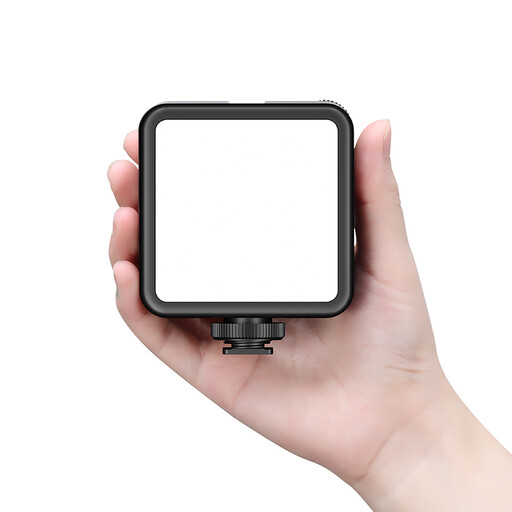 No image available
Suitable for a portable setup; the product name describes a rechargeable LED video light.
The product information lists adjustable colour temperature, dimming and mounting via a cold shoe.
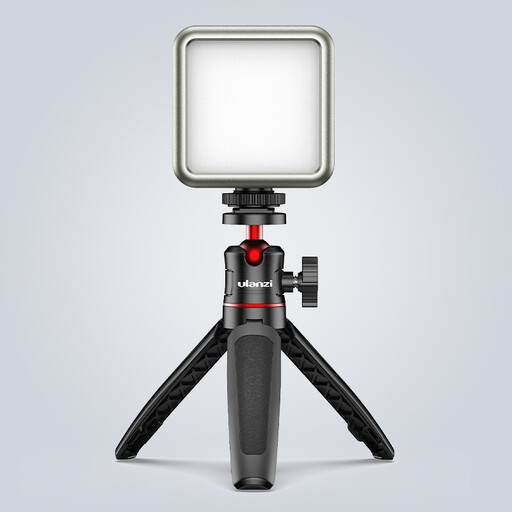 No image available
Suitable for a compact, portable setup; the product name describes a dimmable RGB light with a 2000 mAh battery.
Use a standard adapter with a 5 V output to charge it; the product description advises against chargers with a higher voltage.
 No image available
A portable mini fill light for product photos; the product name lists a 500 mAh battery and magnetic mounting.
The product information also lists a 1/4-inch thread for mounting.
Position the light at an angle beside the bracelet and check the reflections from the camera’s point of view. Diffuse the light if needed; Nikon describes a light tent as a way to soften light when photographing small, shiny jewellery.
For comparable product photos, keep the light position and white balance consistent, and check the bead colours in the first photo. Adjustable colour temperature helps you fine-tune the light, but doesn’t guarantee accurate colour on its own.
Check what’s included with the exact version, position the holder securely outside the shooting area and follow the power instructions for that version. Neewer offers different kit options for the NL-116AI; the product information for the Ulanzi VL49 RGB lists a charging cable.
When you buy online as a consumer from a business, you generally have a 14-day cooling-off period. You’re also entitled to a product that works as it should; a commercial guarantee doesn’t replace this right. The cooling-off period does not automatically apply to a business purchase or a purchase from a private seller.
No. The NVWA states that CE marking is mandatory for electrical products and that a separate assessment is not mandatory according to its general overview. By applying the CE mark, the manufacturer declares that the product complies with the applicable rules; which rules apply depends partly on the product.