
Vandaag of morgen in huis

Kwaliteit gegarandeerd

Welkomstaanbiedingen ontgrendelen: GRATIS bezorging | Tot 80% korting | Gratis 30 dagen JoyPlus-proefperiode
Download de app
A welcoming garden, balcony or entrance often starts with LED outdoor lighting. Yet a light can sometimes disappoint in practice. The battery runs out sooner than expected, the light output turns out to be too low, or a product is used outdoors even though its IP protection is not suitable for it.
The main pitfalls are:
Below, you can read which specifications to check and which popular choices suit different situations.
The IP code consists of two digits. The first refers to protection against solid particles, while the second relates to water. Examples include:
An outdoor LED wall light or solar wall light with IP44 protection is best installed under an overhang or on a sheltered façade. Mount the light securely and follow the manufacturer's safety instructions.
Lumens indicate the amount of light produced. As a guide:
Colour temperature is expressed in kelvin. 2700K to 3000K produces warm white light for a patio or balcony. 4000K to 6500K looks cooler and can be practical for a path or work area. RGB or RGBCCT lights combine coloured light with adjustable white light.
A dimmable outdoor light is useful when you want functional light during the day and a softer atmosphere in the evening. Check whether dimming is controlled via a button, remote control, touch control or app.
With solar outdoor lighting, the position of the panel and the battery are more important than simply seeing the word “solar”. Look out for:
A mains-free light is easy to install, but its operating time can vary due to cloud cover, shade and the season. A USB option can therefore be practical on a balcony or patio.
With smart outdoor lighting, you should also check the connection. Bluetooth Mesh lighting allows multiple devices to communicate with one another. Other products work via an app, Wi-Fi or a smart-home platform. Philips Hue lighting, for example, can be controlled via the Hue app and is compatible with certain voice assistants, but not every Hue product is designed for outdoor use.
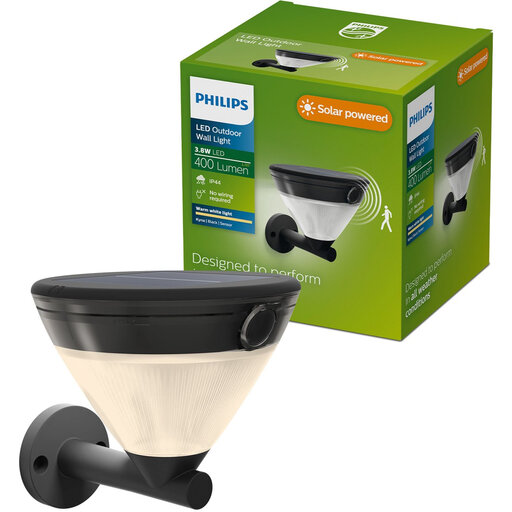
Why it suits this profile: This solar wall light works without fixed wiring and is designed for a garden wall, balcony or entrance. Automatic activation and two light modes keep operation straightforward.
The product specification states 400 lumens and IP44 protection. This makes it easier to assess the light output and splash protection in advance than with a general marketing claim.
Solar power, motion sensor, 2700K warm white light and a stated light-source lifespan of 25,000 hours.
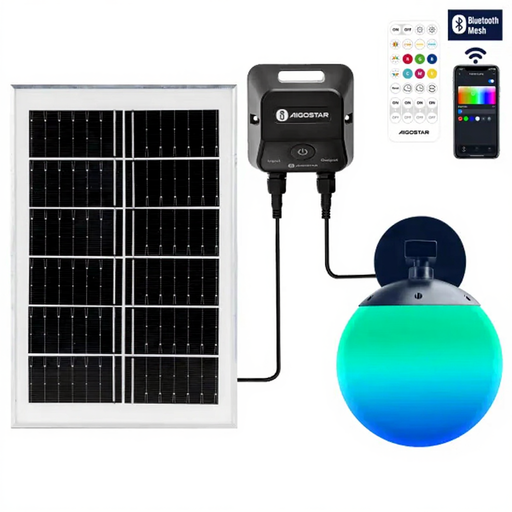
Why it suits this profile: This model is an appealing choice if you want to combine several smart light points and colour lighting is important to you. The light supports Bluetooth Mesh and RGBCCT lighting.
The listing specifies 200 lumens, a 5W solar panel, a 4000 mAh battery and a maximum battery life of 24 hours. The IP rating is not stated, so extra care is needed when installing it in a sheltered location.
Wireless installation, RGB plus adjustable white light, and control of more than 200 Bluetooth Mesh devices according to the product description.
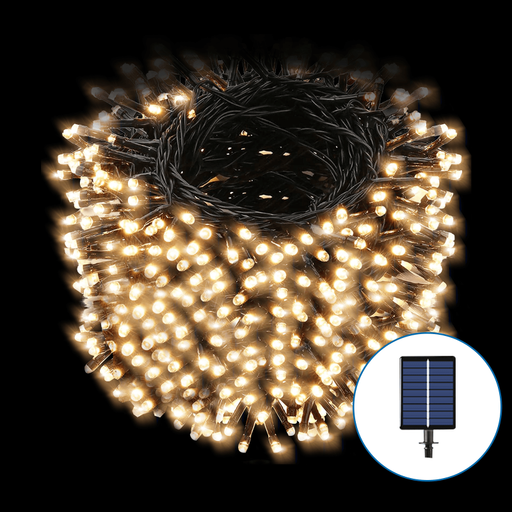
Why it suits this profile: This outdoor LED string light is designed for decorative accents along a balcony, fence, tree or patio edge. Its 10-metre length is practical for larger decorative areas.
The product specification lists 8 light modes, a charging time of 4 to 6 hours and an autonomy of 8 to 12 hours. This makes the key usage limits clear in advance.
100 LEDs, warm light, a solar panel and stated IP65 protection in the product description.
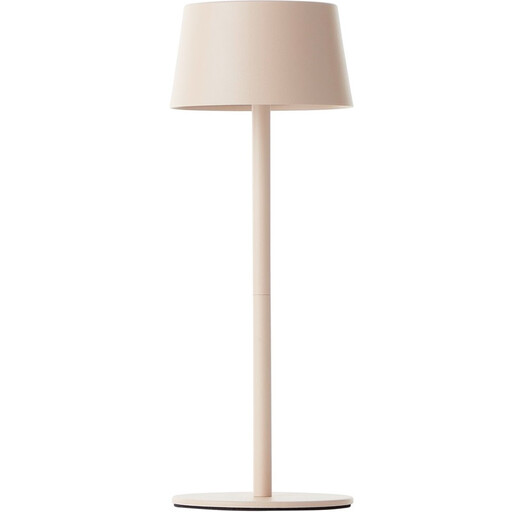
Why it suits this profile: This outdoor LED table lamp is suitable for a table, balcony or patio where you do not want to run a cable. It can be charged via solar power or USB and has three dimming modes.
The IP44 classification is clearly stated, and the manufacturer warns that the lamp is splash-resistant but not waterproof. This helps prevent it being used in an unprotected location exposed to direct water jets.
170 lumens, 3000K warm white light, three dimming modes and two charging methods: solar power and USB.
We have put together a complete, up-to-date list of products that fully meet these strict selection criteria and the applicable European safety regulations.
That depends on the amount of daylight, the position of the panel and the battery capacity. During dark or heavily shaded periods, the light may stay on for less time. Position the panel as openly as possible, keep it clean and consider choosing a model with USB charging as a back-up.
Lifespan varies by product and usage conditions. Some listings, for example, state 25,000 or 30,000 hours for the integrated light source. The battery and housing may wear out sooner. An integrated LED is not always replaceable either, so check this before buying.
Solar lighting does not use electricity from a socket while it is switched on. With a USB or mains-powered model, energy consumption depends on the wattage, operating time and number of lights. A lower wattage does not automatically mean less practical light: always consider watt, lumens and the intended use together.
