
Vandaag of morgen in huis

Kwaliteit gegarandeerd

Welkomstaanbiedingen ontgrendelen: GRATIS bezorging | Tot 80% korting | Gratis 30 dagen JoyPlus-proefperiode
Download de app
An LED night light can be useful in the bedroom, nursery, hallway, kitchen or wardrobe. However, many models look similar, even though they can differ significantly in terms of controls, light colour, power supply and installation. A light that appears versatile in an online shop is not automatically suitable as a night light for a nursery or as LED wardrobe lighting.
The Joybuy Product Recommendation Officer filters the most important specifications and turns them into practical buying advice. This helps you quickly see which type suits your needs and which marketing claims are worth checking.
A night light with a motion sensor is useful when you do not want to search for a switch. However, pay attention to the difference between a motion sensor and a light sensor.
A motion-sensor light can be practical in a hallway or wardrobe. In a bedroom, however, a light that comes on with every movement may be inconvenient.
Warm white light of around 2700 to 3200 K generally creates a softer feel than cool white light of 6500 K or above. For a night light in a nursery, bedroom or child’s room, warm white is often more comfortable in the evening. For a kitchen shelf or wardrobe, neutral or cooler light may be more practical.
That is why you should check the Kelvin value. A product description that only says “soft” or “comfortable” tells you little about the actual light colour.
A rechargeable night light means you do not have to keep replacing batteries, but the operating time depends on brightness, sensor settings and battery capacity. Check the following:
A mains-powered model does not need charging, but it does require a socket. Choose based on where you intend to use the light.
A dimmable night light gives you more control than a lamp with just one brightness level. A low setting can be practical for night-time care or a child’s room. For a wardrobe or kitchen worktop, you may need more light.
Pay attention to the difference between lumens and watts:
For example, the Aigostar LED Sensor Night Light specifies 1 W, 40 lm, a daylight colour temperature and a light sensor. According to the product specifications, consumption is 0.5 kWh per 1000 hours. This makes it particularly interesting for a fixed socket in a hallway or bedroom.
The range is important for a sensor light used in a wardrobe, beside a bed or in a hallway. The 30 cm and 40 cm Ultra-thin Cabinet Lights state a PIR range of 3 to 5 metres. This provides a clear starting point, although actual detection can be affected by positioning, direction of movement and obstacles.
Also check whether the light:
When choosing a children’s night light, look for rounded shapes, stable positioning and clear safety warnings. According to the product information, the VIVREAL Panda and Unicorn lights use food-grade silicone and have a soft, flexible casing. The manufacturer also states that adult supervision is required when they are used by babies.
This is not a reason to place a light in a cot without supervision. Keep a night light out of the reach of young children, away from water and heat, and always follow the instructions.
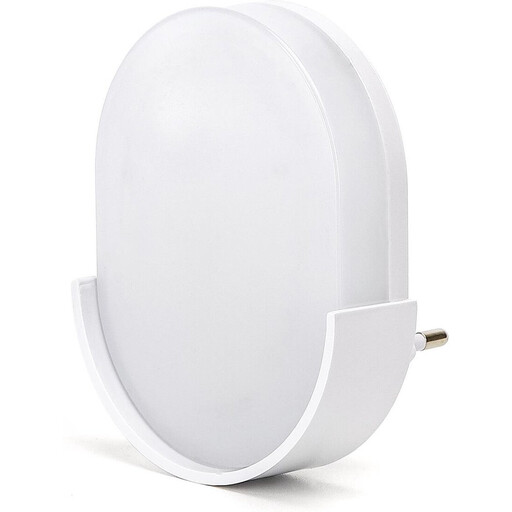
Why This Fits Their Persona: A compact plug-in solution for anyone who wants to light a hallway, bedroom or nursery without batteries or charging cables.
The product specification clearly states 40 lm, 1 W and a day/night sensor, rather than relying only on general claims about mood lighting.
Plug-and-play, no battery replacements, 230 V and stated consumption of 0.5 kWh per 1000 hours.
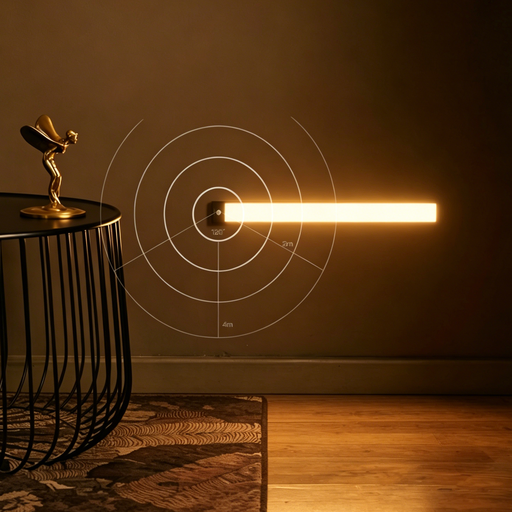
Why This Fits Their Persona: A slim sensor light for wardrobes, shelves and dark passageways where a fixed light is less practical.
The 20 cm length and sensor design make the possible placements clearer than those of a generic night light.
Compact size and automatic detection according to the product name and available product information.

Why This Fits Their Persona: Designed for kitchen cupboards, wardrobes and longer shelves where a single small night light would not provide enough coverage.
The product specification lists 61 LEDs, a PIR range of 3–5 metres and three colour temperatures.
40 cm long, 2-pack, USB rechargeable, 1100 mAh battery, with warm, neutral or cool light.
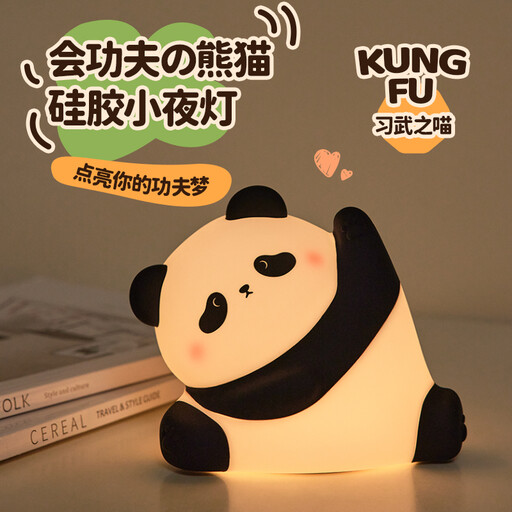
Why This Fits Their Persona: A portable children’s night light for the nursery, bedside table or temporary use while travelling.
Three brightness levels and touch controls make operation clear; the product information also mentions supervision when used by babies.
1200 mAh rechargeable battery, three dimming levels, silicone casing and no installation required.
We have put together an up-to-date selection of sleep lights with a range of features, light colours, sensors and power options.
A warm white night light of around 2800 to 3200 K has a less cool appearance than daylight white. Always check the stated Kelvin value. The ideal brightness is a personal preference, so choose a dimmable model if you want to cover several situations.
That depends on the wattage and how long it is used. A 0.5 W model running for 1000 hours uses approximately 0.5 kWh according to the stated specification. A light with a motion sensor may run for less time than one that stays on all night. Compare the wattage, operating time and sensor function together.
It can be practical if you want to move the light around easily or do not have a socket beside the bed. Check the battery capacity, charging time and operating time. Keep the light out of the reach of babies and do not allow a child to play with a rechargeable device unsupervised.
