
Vandaag of morgen in huis

Kwaliteit gegarandeerd

Welkomstaanbiedingen ontgrendelen: GRATIS bezorging | Tot 80% korting | Gratis 30 dagen JoyPlus-proefperiode
Download de app
LED lighting is available for almost every application: from E27 LED bulbs in the living room to cupboard lighting with a motion sensor, an LED light bar for videos or LED car bulbs for the road. The wide choice makes comparing products difficult. A high lumen rating, long lifespan or “plug-and-play” promise does not automatically mean that a product is right for your situation.
As a Joybuy Product Recommendation Officer, I filter the most important product specifications and practical considerations, so you can make an informed choice without mistaking marketing claims for technical facts.
Lumens indicate how much light a bulb emits according to the product specification. They do not tell you everything about light distribution, glare or suitability for a particular room. A bright bulb may be impractical in a bedroom, while a lower light output may be enough for ambient lighting.
Wattage indicates electrical power consumption, not brightness directly. Therefore, compare lumens, colour temperature and intended use together. Energy-efficient LED bulbs often produce plenty of light at a lower wattage than older halogen or incandescent bulbs.
With LED car bulbs such as H4 LED bulbs, H8 H9 H11 LED bulbs, H1 LED bulbs, 9005 HB3 LED bulbs and 9006 HB4 LED bulbs, the fitting must match the car exactly. The available space behind the headlamp, the CANbus system and potential error messages also play a role.
A brand may claim broad compatibility, but according to ENdureLite’s product information, some sensitive vehicles may require an additional decoder. Therefore, always check your car’s manual and the original bulb code. Also check whether the fitted lighting is permitted in your vehicle and for use on public roads.
A stated lifespan of, for example, 50,000 hours is a product specification or brand claim, not a guarantee for every usage condition. Heat, moisture, an enclosed fitting and a poor connection can affect performance.
With integrated LED lighting, such as an LED ceiling light, replacement is also less straightforward than with a standalone bulb. Therefore, check the warranty, installation instructions, IP rating and whether replacement parts are available.
For standalone bulbs, the fitting and shape are crucial. An E27 LED bulb will only fit a fitting with an E27 socket. Also check the diameter and height, especially with small ceiling fittings or enclosed lampshades.
For cupboard lighting, length and mounting are important. An ultra-thin 30 or 40 cm lamp can be attached with tape, but the surface must be clean, flat and dry. With a rechargeable LED lamp, also check the charging port, battery capacity and access to the lamp for charging.
Colour temperature is measured in kelvins:
Not every lamp is dimmable. According to the product information, the Philips UltraEfficient E27 models in this selection are operated with a wall switch and do not have a dimming function. An LED ceiling light with remote control, on the other hand, may offer different brightness and colour settings.
For outdoor use, check the IP rating. According to the product information, a Philips Zyren outdoor lamp has an IP65 rating, intended to protect against dust and water jets. A lamp installed under a canopy has different requirements from a fitting that is fully exposed to rain.
Heat dissipation is also relevant for car bulbs. Some models use a fan or aluminium housing. This can help with heat management, but check that there is enough space behind the headlamp and that the fan noise is acceptable to you.

Why it suits this profile: This set is practical for a kitchen cupboard, wardrobe or dark shelf without installing new wiring. The lamps are rechargeable via USB and supplied as a pair.
The product specification states that it has 41 LEDs, PIR detection at 3–5 metres and three colour temperatures. This means you do not have to rely solely on a general brightness claim.
30 cm long, 1,100 mAh battery, USB charging and tape mounting without drilling.
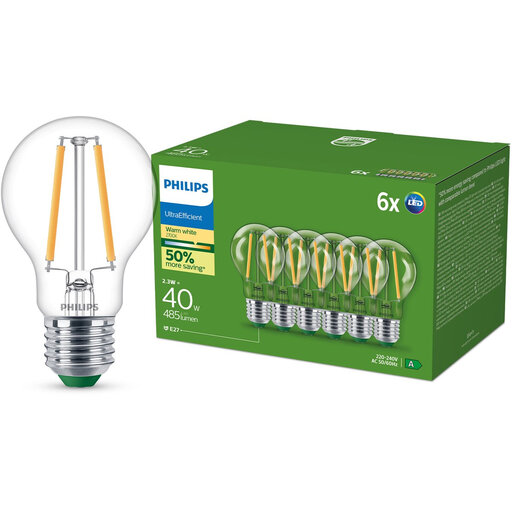
Why it suits this profile: Ideal if you want to replace several indoor bulbs at once with a well-known brand and are looking for a consistent warm light colour.
The fitting, light colour, wattage and non-dimmable operation are clearly stated. The 50,000-hour claim comes from Philips product information and should be understood as a stated lifespan.
E27 fitting, 2.3 W per light point, 485 lumens and energy label A according to the product specification.
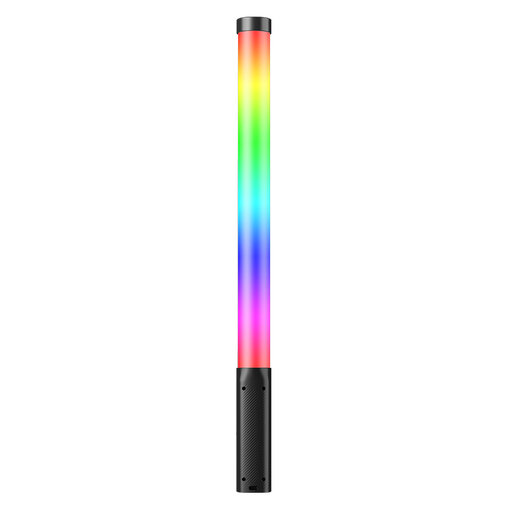
Why it suits this profile: A practical choice for content creators, streamers and photographers who need colour control, flexible mounting and a portable light source.
The operating time and charging details are specific: according to Ulanzi’s own laboratory data, the lamp runs for at least 60 minutes at maximum brightness and takes approximately 2.5 hours to charge.
RGB and HSI control, 2,500–9,000 K, 10 W, CRI 95 according to the manufacturer and a 1/4-inch tripod socket.
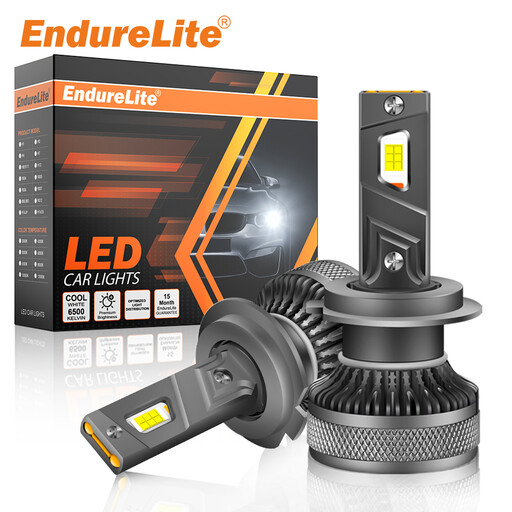
Why it suits this profile: For drivers with an H4 fitting who want a compact replacement and intend to check vehicle compatibility beforehand.
The fitting, colour temperature and IP68 rating are stated. The claims of 20,000 lumens, 300% more brightness and 50,000 hours come from ENdureLite product information; check the beam pattern after installation.
H4 for high and low beam, 6,000 K, integrated cooling and, according to the manufacturer, a 1:1 mini format.
We have compiled a complete, up-to-date list of products that fully meet these strict selection criteria and the applicable European safety regulations.
For a permanent outdoor installation, solar outdoor lighting may be a good option when wiring is difficult. According to the product specification, the Philips Zyren solar wall lamp has a PIR detection range of up to 8 metres when approached directly and 16 metres when approached from the side, as well as an IP65 rating. Make sure you position the solar panel somewhere with sufficient direct sunlight.
For a living room, warm E27 LED bulbs or a dimmable LED ceiling light are more suitable. For video and ambience, you can use an RGB light bar or RGB light wand. Pay attention to colour control, tripod mounting, charging time and maximum operating time.
Lifespan varies according to the product and operating environment. Manufacturers sometimes state 25,000, 50,000 or more operating hours. Treat this as a stated product specification. Heat, moisture, frequent switching and an enclosed fitting can affect the practical lifespan.
LED bulbs generally use less power than comparable older light sources while producing a similar amount of light. Calculate consumption using: wattage × operating hours ÷ 1,000 = kilowatt-hours. Multiply this by your current electricity tariff. This allows you to compare running costs objectively.
That depends on the fitting, the available space and the vehicle’s electrical systems. First check the bulb code, such as H1, H4, H11, 9005/HB3 or 9006/HB4. Switch off the lighting, follow the instructions and check the beam pattern after installation. If there are error messages, insufficient space or any doubt about legal approval, having the bulbs fitted by a garage is the wiser option.
