
Vandaag of morgen in huis

Kwaliteit gegarandeerd

Welkomstaanbiedingen ontgrendelen: GRATIS bezorging | Tot 80% korting | Gratis 30 dagen JoyPlus-proefperiode
Download de app
Never stumble in the dark or search for a light switch again. LED lighting with a motion sensor is a simple solution for comfort and safety in your home. From the wardrobe to the hallway and the kitchen, these lights provide illumination exactly when you need it. But the market is flooded with options, and not every light is worth the money. Many products suffer from the same hidden flaws.
Before you make a purchase, it's important to know what to look for. We'll discuss the three most common pitfalls and how you can avoid them.
To avoid a bad purchase, focus on a few concrete specifications. These determine whether a product is truly practical for daily use.
The choice between a rechargeable battery or a direct connection to a wall outlet depends on the location.
A good lamp combines two types of sensors:
The atmosphere and functionality of a lamp are determined by its light colour and brightness.
Based on these criteria, we have selected a number of products that suit different needs and situations.

Why This Fits Their Persona: Ideal for illuminating dark kitchen cabinets, wardrobes, or storage rooms without any hassle. The set of two provides an immediate solution for multiple spots in the house. Installation is a matter of sticking it on, so no tools are needed.
Tackles the 'inflexible light' pitfall with three adjustable colour temperatures (warm, neutral, cool). The 1100mAh battery is more than adequate for this type of lamp, reducing the need for constant recharging.
Ultra-thin design (10 mm) that blends in seamlessly. Drill-free installation via the included adhesive strip. USB rechargeable.

Why This Fits Their Persona: Perfect for families with children or elderly members who need to find their way safely at night. This compact, rechargeable night light can be placed anywhere. The soft, adjustable light prevents you from feeling wide awake after a nighttime trip to the bathroom.
This model is the solution for light that is too bright or the wrong colour. With 3 colour temperatures and 5 dimming levels, you can adjust the light precisely to the situation. The built-in light sensor ensures it only activates in the dark, which saves the battery.
Highly flexible: rechargeable, portable, and extensive settings for colour and brightness. The set of two is practical for the hallway and the kids' room, for example.
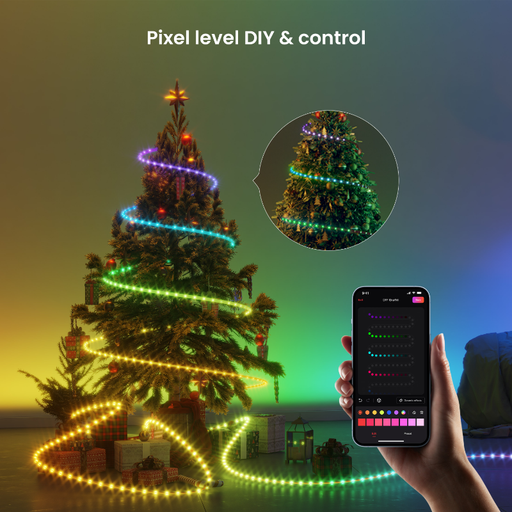
Why This Fits Their Persona: For those who use lighting to create atmosphere. This LED strip is designed for behind a TV, desk, or along the wall of a game room. The focus is on dynamic colours and smart control via an app.
Unlike cheap RGB strips that can only display one colour at a time, this model uses RGBIC technology. This allows multiple colours to flow across the strip simultaneously. Yeelight typically offers stable app support, which avoids the pitfall of unreliable software.
RGBIC technology for advanced, fluid lighting effects. App control and compatibility with popular gaming ecosystems for an immersive experience.
We have compiled a complete, up-to-date list of products that meet these selection criteria and comply with current safety regulations.
The battery life of a rechargeable lamp depends heavily on the battery capacity (mAh), the efficiency of the LEDs, and how often the sensor is activated. A lamp in a frequently used hallway will run out of battery faster than a lamp in a wardrobe that you open twice a day. Models with a capacity of 1000 mAh or more and a good light sensor (which prevents activation during the day) generally offer a battery life of several weeks to months before needing a recharge.
Yes, most LED strips and cabinet lights are designed for easy DIY installation. They often come with a self-adhesive backing, allowing you to stick them directly onto a clean, dry surface. Drilling is usually not necessary. For rechargeable models, there's no hassle with cables at all.
A motion sensor (PIR) responds to movement, usually by detecting heat. It turns the lamp on as soon as someone comes near. A light sensor (also called a dusk sensor or LUX sensor) measures the amount of light in the environment. It ensures that the motion sensor only works when it's dark. The combination of both is ideal: the lamp only turns on when there is movement and it's dark enough.
