
Vandaag of morgen in huis

Kwaliteit gegarandeerd

Welkomstaanbiedingen ontgrendelen: GRATIS bezorging | Tot 80% korting | Gratis 30 dagen JoyPlus-proefperiode
Download de app
LED lighting can make a living room feel warmer, illuminate a workspace more effectively or create a cosier atmosphere on a balcony. However, not every LED lamp is suitable for every purpose. A lamp with numerous colour settings can be inconvenient if you are simply looking for a calm reading light. And an outdoor lamp without suitable IP protection can quickly cause problems in the rain.
Joybuy Product Recommendation Officer helps you filter the most important product information. This makes it easier to compare LED lamps based on the features that really matter in a Dutch home.
Wattage mainly tells you about energy consumption, not directly how much light a lamp produces. That is why you should also check the lumen output. For example, a Philips LED mat is specified at 1,521 lumens at 13 watts per light point. This gives you a clearer idea of the brightness than simply stating “100-watt equivalent”.
A low colour temperature, such as 2,200 or 2,700 kelvin, produces warmer light. This does not automatically mean that the lamp is less bright. A lamp with warm white light is usually a good choice for the bedroom or living room. For a desk or hobby room, a more neutral white light may be more practical.
Also pay attention to how brands describe their products. According to Philips’ own information, Hue Essential lamps offer adjustable white and coloured light. The available functions depend on the app being used, the Bluetooth connection and whether a Hue Bridge is required.
An LED lamp with IP20 is intended for dry indoor spaces. A higher protection rating is needed for a balcony, patio or garden. In practice, IP44 means protection against splashing water, but not against immersion or powerful water jets.
An outdoor lamp must also stand securely, receive sufficient charge and not be placed where water can collect. “Water-resistant” is therefore not a licence to leave every lamp outdoors without protection all year round.
Use these guidelines as a starting point:
An RGB LED lighting product is not always a replacement for functional main lighting. So check the lumen output and preferably use colourful lamps as additional lighting.
Before buying, check the fitting of your light fixture. An E27 LED bulb fits a large, commonly used screw fitting. A smart bulb with an E27 fitting is not automatically dimmable with a standard dimmer. Check whether dimming is controlled via an app, remote control, wall switch or touch control.
Pay attention to the following details:
A wireless lamp runs on batteries or a built-in rechargeable battery. Check whether batteries are included. For example, the Koopman LED Table Lamp Carousel uses 2 AAA batteries, which are not included. This is important if you want to use the lamp straight away.
For solar-powered outdoor lighting, the position of the solar panel and the amount of available daylight are important. A solar lamp on a shady north-facing wall may stay lit for less time than the product description suggests. Some models also have a USB charging option.
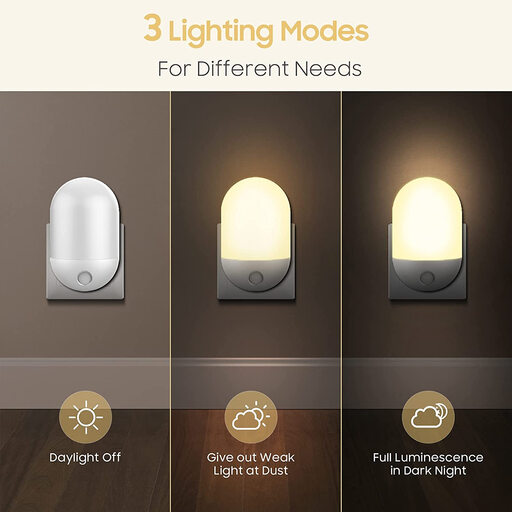
Why it suits this profile: According to the product name and description, this compact night light switches on using a light sensor and provides warm white light for bedrooms, nurseries or hallways.
The stated colour temperature of 2,800–3,200 K makes the light colour easy to assess, rather than relying solely on atmospheric marketing images.
0.5 W SMD LED, 20 lumens and suitable for a mains voltage of 110–220 V according to the product information.
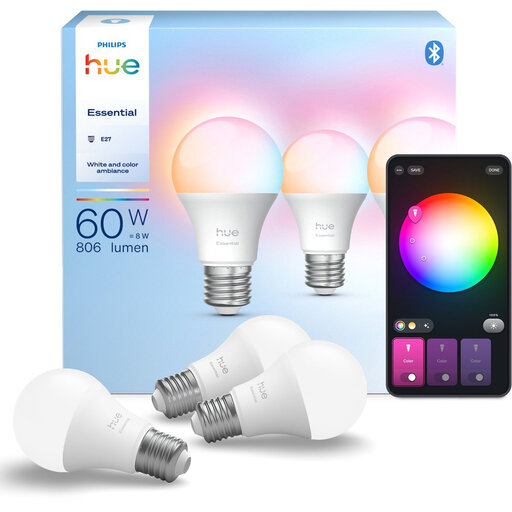
Why it suits this profile: If you want to set up several rooms with app control, dimming and a choice of colours, these three smart LED bulbs provide a coordinated foundation.
The E27 fitting, IP20 rating and Bluetooth app control are clearly stated. This shows that the set is intended for dry indoor spaces.
RGBW light, dimming function, 806 lumens per light point, 8 W per bulb and a stated lifespan of 25,000 hours.
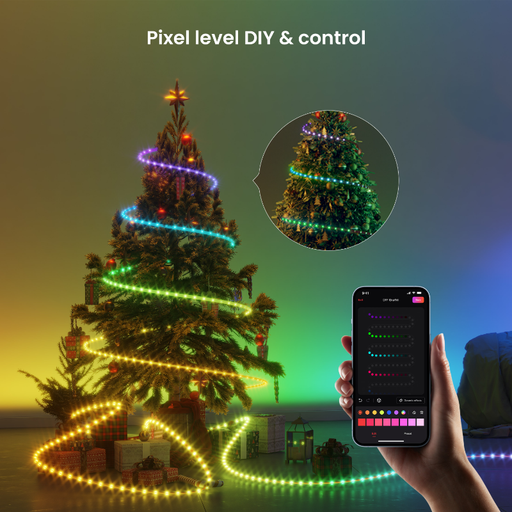
Why it suits this profile: This LED strip is designed for TV units, desks, bedrooms and gaming rooms where decorative colour changes matter more than general room lighting.
The 2-metre length makes the intended use clear. Check the available space and socket beforehand so you do not buy a strip that is too short or unsuitable.
RGBIC colour rendering and smart app and voice control according to the product description; suitable for indoor use as ambient lighting.
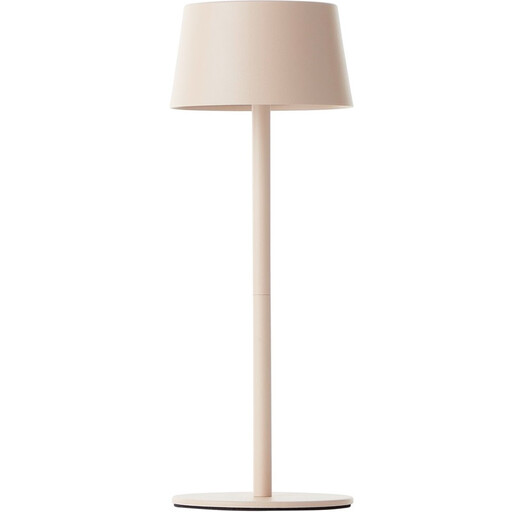
Why it suits this profile: This wireless lamp can be used on a balcony, patio or in the garden. It can also be charged via USB when sunlight is limited.
The IP44 rating is not presented as meaning completely waterproof. Position the lamp securely and protect it from immersion and direct water jets.
170 lumens, warm white light at 3,000 K, three dimming levels and both solar and USB charging according to the product specifications.
We have put together a complete, up-to-date list of products that fully meet these strict selection criteria and the applicable European safety regulations.
Running costs depend on the wattage, the number of operating hours and your electricity tariff. An 8-watt lamp that is switched on for five hours a day uses less electricity than a 13-watt lamp used for the same amount of time. So compare watts per light point as well as the desired light output in lumens.
Lifespan varies from product to product. The stated specifications include, for example, 15,000 hours for certain Philips LED lamps, 20,000 hours for a Brilliant LED desk lamp and 25,000 hours for Philips Hue Essential. These are stated product specifications; temperature, ventilation, switching behaviour and usage conditions can affect the actual lifespan.
No. Check whether the lamp is explicitly dimmable and what type of control it requires. A smart LED lamp is often dimmed via an app or remote control, while a traditional dimmable lamp requires a suitable wall dimmer. Connecting a non-dimmable lamp to an unsuitable dimmer can cause flickering or malfunctions.
