
Vandaag of morgen in huis

Kwaliteit gegarandeerd

Welkomstaanbiedingen ontgrendelen: GRATIS bezorging | Tot 80% korting | Gratis 30 dagen JoyPlus-proefperiode
Download de app
LED lighting comes in many forms: from a simple dimmable LED bulb to an LED strip with app control. This wide range can make choosing not always straightforward. A lamp that works well in a living room won't necessarily be suitable for a vlog, portrait photo or workspace.
So don't just focus on colour and design. Instead, check the brightness, colour temperature, power supply and moisture protection. This way, you'll avoid buying a lamp that turns out to be too dim after a few weeks, is awkward to position, or isn't suitable for the room.
RGB LED lighting can display many colours, but colour choice says little about its usefulness as a work or video light. For a face, product or desk, you often also need adjustable white light. So check whether the lamp offers a white light range or multiple colour temperatures in addition to RGB.
A bright light isn't always pleasant or practical. A concentrated LED video light can cause glare when it shines directly into your eyes from a short distance. For video and photography, placement, distance and any dimming function are at least as important as the maximum power output.
A portable LED lamp for a balcony or patio needs to be assessed differently from a floor lamp with LED for the living room. An IP44-rated lamp is protected against splashing water, but not against submersion. An IP20-rated lamp is intended for dry indoor spaces. Always check the IP rating and don't use a product outdoors if the product information doesn't allow it.
Lumens (lm) indicate how much visible light a lamp produces. A decorative lamp with 140 lumens is mainly intended as mood lighting. A floor lamp with LED of 1300 lumens can illuminate a larger part of a living room.
A dimming function makes a lamp more versatile. With a dimmable LED lamp, pay attention to how you dim it: via a touch button, remote control, app or voice control. For a desk or video recording, an adjustable brightness level is practical; for a bedroom, a low light setting may be more important.
Colour temperature is expressed in kelvin (K). Around 2700–3000K, light appears warm and suitable for relaxation. Higher values, such as 5000K or more, give a cooler, more clinical effect. Some video lights offer a wide range, such as 3000K to 7000K or 2500K to 9500K.
A wide range is particularly useful for content creators, streamers and photographers. For general mood lighting, a fixed warm colour is often sufficient.
A rechargeable LED lamp offers flexibility, but check the charging method and battery instructions. For models with a lithium battery, use the recommended USB power supply. The ULANZI VL49, for example, states that a standard 5V adapter should be used and that fast chargers with a higher voltage can cause damage.
Also watch out for heat. According to the safety information for the ULANZI 4" Phone Ring Light, the aluminium housing and LED panel can become very hot in the maximum 100W mode. Do not touch the diffuser or metal housing directly then. A LED video light should also have adequate ventilation and not be covered with dust.
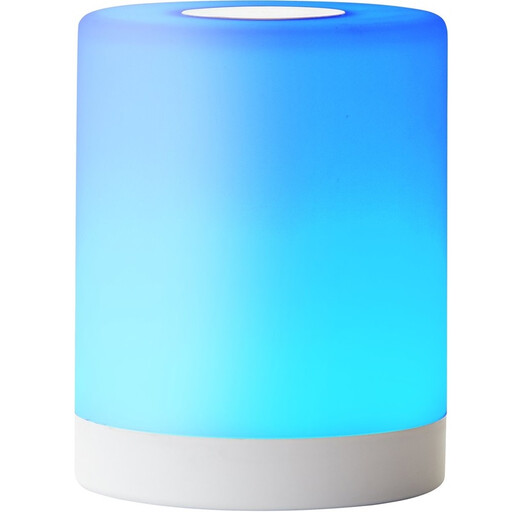
Why this fits the profile: This compact rechargeable LED lamp is ideal for anyone who wants to add extra light to a table, balcony or patio without any installation.
The specifications list both RGB and warm white light at 3000K, a touch dimmer and IP44 splash protection. Just make sure the lamp is not submerged.
140 lumens, integrated 1W LED, USB-A connection and one built-in 18650 lithium-ion battery.

Why this fits the profile: This smart lighting suits anyone who wants to control LED strips behind a TV, under a shelf or behind bedroom furniture via app, remote control or voice.
According to the product information, the strip is dimmable and can be cut to size at designated points. The strip is intended for indoor use; do not cover the power supply.
10 metres in length, support for Matter and control via the Philips Hue app.
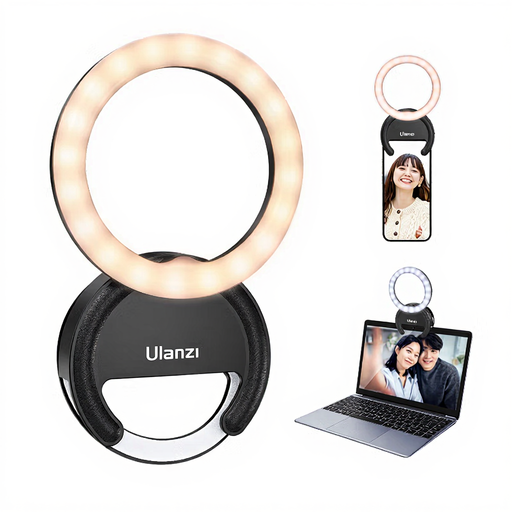
Why this fits the profile: A practical choice for video calls, make-up, selfies, vlogs and live streams where the light sits close to your phone.
The lamp offers three colour temperatures and five brightness levels. Do not use the lamp on the maximum setting without considering heat build-up.
3000K–7000K, five brightness levels and a size that fits a phone setup.
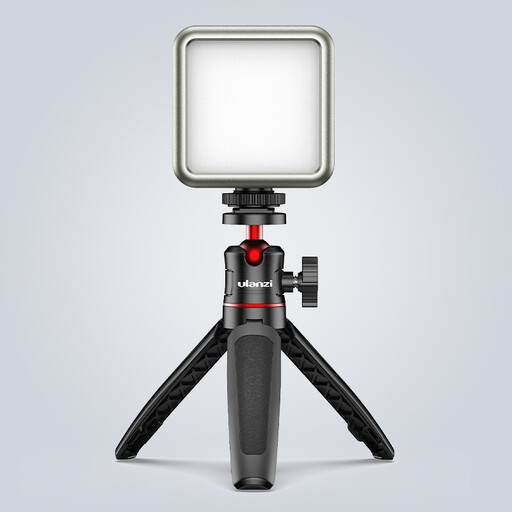
Why this fits the profile: This small LED video light is designed for camera accessories, product photography, macro shots and YouTube videos.
The colour temperature is adjustable from 2500K to 9500K and the lamp has dimming functionality. Use the built-in battery with a suitable 5V charger.
2000 mAh battery, RGB functionality and a magnetic back for flexible mounting.
We've put together a full, up-to-date list of products that fully meet these strict selection criteria and comply with current European safety regulations.
LED lamps generally use little energy, but the actual consumption depends on the wattage, burn time and brightness setting. So compare the wattage and not just the marketing name. The Brilliant Aro lamp, for example, states 1W and a consumption of 1 kWh per 1000 hours. A lamp that runs for long periods at maximum brightness will naturally consume more than a mood lamp used for short periods.
The lifespan varies by model and usage conditions. With integrated LED modules, the light source is often not designed to be replaced by the user. The Philips Hue Flux product information states a lifespan of 25,000 hours, but use, heat and power supply affect the practical lifespan. So check whether the light source is replaceable before you buy.
Position a video light slightly above eye level and at an angle next to the camera. Don't point the light directly into your eyes from a short distance. Use a dim setting and adjust the colour temperature to the room or any available daylight. A selfie ring light works most practically when the phone is centred in the ring; a separate LED video light gives you more freedom in direction and distance.
