
Vandaag of morgen in huis

Kwaliteit gegarandeerd

Welkomstaanbiedingen ontgrendelen: GRATIS bezorging | Tot 80% korting | Gratis 30 dagen JoyPlus-proefperiode
Download de app
Buying a new light bulb seems simple. Your old one is broken, you grab a new one off the shelf, and you're done. But then you get home and the light is cold and sterile, the bulb doesn't fit the socket, or it burns out after just a few months. Choosing the right LED lighting is trickier than it looks, partly due to marketing promises that don't always align with reality.
As a Joybuy Product Recommendation Officer, I see where things go wrong every day. To help you avoid buyer's remorse, I've outlined the three most common pitfalls.
To sidestep these pitfalls, you don't need to read a technical manual. Just pay attention to the following three specifications. These are the only details you really need to make the right choice.
Before you even consider colour or wattage, this is the most crucial step. Most fixtures in UK households use one of these two sockets:
Unscrew the old bulb and look at the metal base. The size is almost always printed on it. This simple check will save you a trip back to the store. For installing new fixtures, a simple electric screwdriver with a built-in light can also work wonders in dark corners.
The colour of the light is expressed in Kelvin (K). Marketing terms like "warm" or "cool" are subjective. The Kelvin value is not.
In the past, Watts were a measure of brightness. With LED lighting, Watt (W) only tells you about energy consumption. The actual light output is measured in Lumen (lm).
A simple rule of thumb:
So, look at the lumen count to determine how bright a bulb is, and the wattage to see how energy-efficient it is.
To get you started, we've selected a few products that suit different needs, based on their objective specifications.
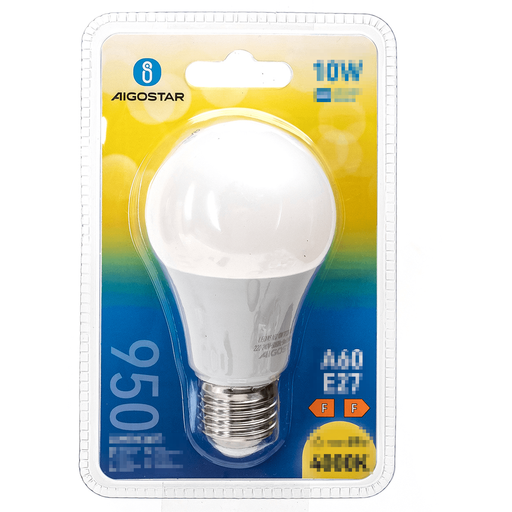
Why This Fits Their Persona: You just need a reliable bulb for the kitchen, hallway, or study. No-fuss, just functional and bright light. This bulb does exactly that.
The 4000K specification guarantees neutral white light, helping you avoid the colour temperature gamble. The E27 socket is clearly stated, so there are no surprises.
Low energy consumption (10W) and a bright, neutral light colour that's ideal for functional spaces. Aigostar bulbs are known for their excellent value for money.
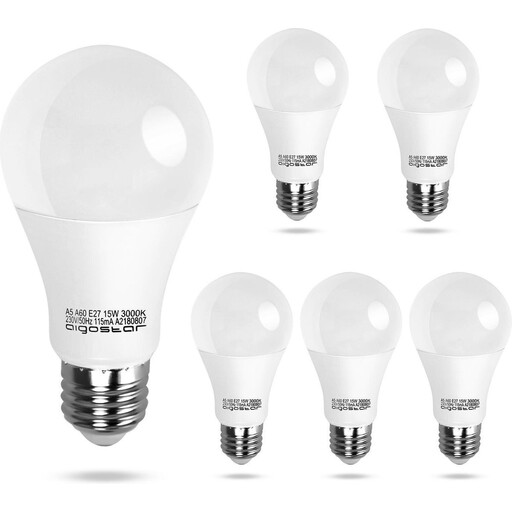
Why This Fits Their Persona: You want to create a warm, inviting atmosphere in your living room or bedroom. This bulb is designed to provide that cosy glow, similar to a traditional incandescent bulb. Alternatively, a compact LED table lamp is perfect for a reading nook.
With a colour temperature of 3000K, you can be sure you're getting warm white light. There's no risk of a cold, impersonal atmosphere in the space where you want to relax.
Delivers a high light output (1200 lm) with a warm colour. The CRI value of 80 ensures that the colours in your interior look natural. Comes in a convenient set of 5.
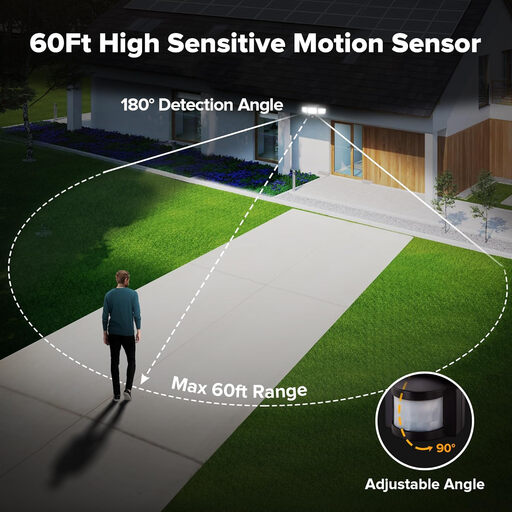
Why This Fits Their Persona: You're looking for an effective and simple way to illuminate your driveway, garden, or shed for added security. This set of solar-powered outdoor lights requires no complex installation or power cables.
This is a complete outdoor solution. The IP65 rating means it's built to withstand rain and wind, unlike an indoor bulb that would quickly fail outside.
Runs entirely on solar power, so there are no energy costs. The built-in motion sensor deters unwanted visitors, and the three adjustable heads provide a wide angle of illumination.
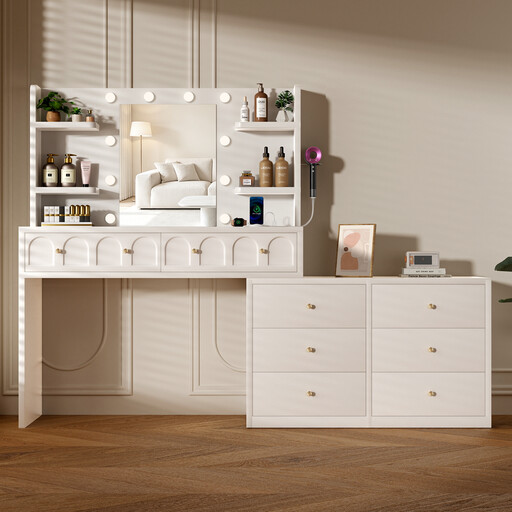
Why This Fits Their Persona: You're looking for an all-in-one solution for your bedroom or vanity area. This vanity with lights combines furniture, storage, and perfect lighting in one package, so you don't have to search for separate lamps.
This piece of furniture completely solves the colour temperature gamble. The integrated LED lights have three modes (warm, natural, cool), ensuring you always have the right lighting for applying makeup.
An all-in-one solution with ample storage, a large mirror, and built-in power outlets and USB ports for styling tools. The L-shaped design is flexible and space-saving.
We have compiled a complete, up-to-date list of products that fully meet these strict selection criteria and local safety regulations.
The savings are significant. An Aigostar LED bulb of 10W, for example, can replace a 69W incandescent bulb. According to its specifications, this bulb consumes 10 kWh per 1,000 hours of use, whereas the incandescent bulb would consume 69 kWh. That's a direct saving of nearly 85% on energy consumption for that specific bulb.
No, definitely not. Dimmable LED bulbs require special electronics and are often slightly more expensive. If a bulb is dimmable, it will be explicitly stated on the packaging and in the product details. Never use a non-dimmable LED bulb with a dimmer switch; this can damage the bulb and cause flickering light.
CRI stands for Color Rendering Index and is expressed on a scale of 0 to 100. It indicates how accurately colours are rendered under the bulb's light compared to sunlight (CRI 100). Many Aigostar bulbs have a CRI of 80 or higher. This means the colours of your interior, clothes, or food will look vibrant and natural, which is especially pleasant in the living room and kitchen.
