
Vandaag of morgen in huis

Kwaliteit gegarandeerd

Welkomstaanbiedingen ontgrendelen: GRATIS bezorging | Tot 80% korting | Gratis 30 dagen JoyPlus-proefperiode
Download de app
Switching to LED lighting seems simple: old bulb out, new one in. Yet, the search often ends in frustration. You buy a set of LED bulbs that start flickering after a few months, or the light in your living room suddenly feels cold and uninviting. The market is flooded with terms like "ultra-long lifespan" and "perfect brightness," but what do they really mean for your home and your wallet?
Many people fall into two common traps:
This guide helps you avoid these problems. We explain what you really need to look for, so you can make an informed choice for functional and energy-efficient lighting that suits your needs.
Before you choose a bulb, there are three specifications you must check. These determine whether a bulb is right for your situation.
This may seem obvious, but it's the most common mistake. Always check the fitting of your current fixture. The most common types in households are:
An E27 LED bulb will not fit in an E14 fixture. A quick look at your old bulb or the fixture itself will save you a return shipment.
The colour of the light, expressed in Kelvin (K), is crucial for the atmosphere. Marketing terms can be confusing, so stick to the Kelvin value:
For most rooms in the house, warm white light (around 2700K) is a safe and pleasant choice.
We used to look at wattage to determine the brightness of an incandescent bulb. With LEDs, lumens (lm) are the measure of light output. Wattage only indicates energy consumption.
A good LED bulb produces many lumens with low wattage. For example, an 800 lm LED bulb can replace an old 60W incandescent bulb but consumes only 7-9W itself. This is the core of energy-efficient lighting: more light for less power.
Based on these practical criteria, we have selected a number of products that suit different needs and interior styles.
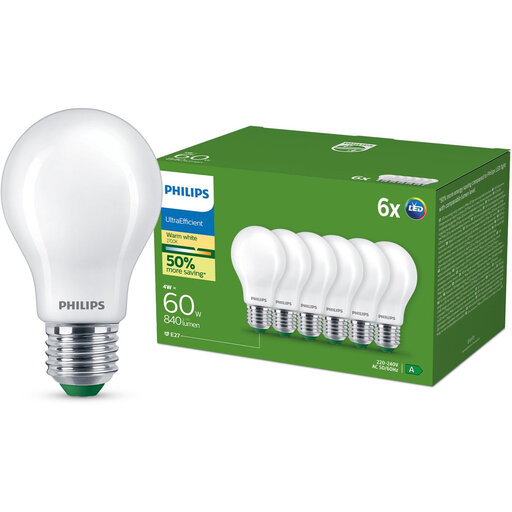
Why This Fits Their Persona: Ideal for those who want to replace multiple old bulbs at once and start saving immediately. This set offers an efficient solution for the entire house, from the living room to the bedroom.
With a colour temperature of 2700K, you are guaranteed to get atmospheric warm white light. The A-class energy label is an objective measure of efficiency, not a vague marketing claim.
Replaces a 60W incandescent bulb with only 4W of consumption. According to Philips, these bulbs have a very long lifespan of up to 50,000 hours.
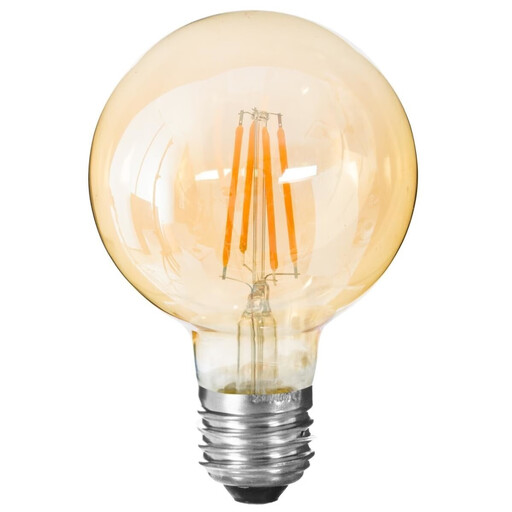
Why This Fits Their Persona: For those who see lighting as a decorative element. The amber-coloured glass and spiral filament make this bulb an eye-catcher, even when it's off. Perfect for open fixtures.
This bulb is specifically designed for ambiance. The very warm colour temperature of 2200K is a deliberate choice, avoiding the pitfall of unintentionally cold light.
Instantly creates a warm, inviting ambiance. The E27 fitting makes it suitable for most standard fixtures.
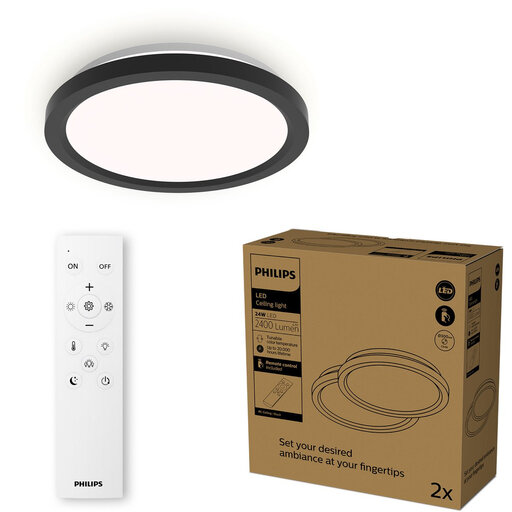
Why This Fits Their Persona: An all-in-one solution for those who want control. This LED ceiling light offers the flexibility to adjust the light for any situation, from focused work to relaxing in the evening.
You can't choose the wrong colour temperature because you can set it yourself, from warm (2700K) to cool white (6500K). This is a form of smart lighting without the complex installation.
Comes with a remote control to adjust brightness and colour. The light is also a dimmable LED bulb, which creates extra ambiance.
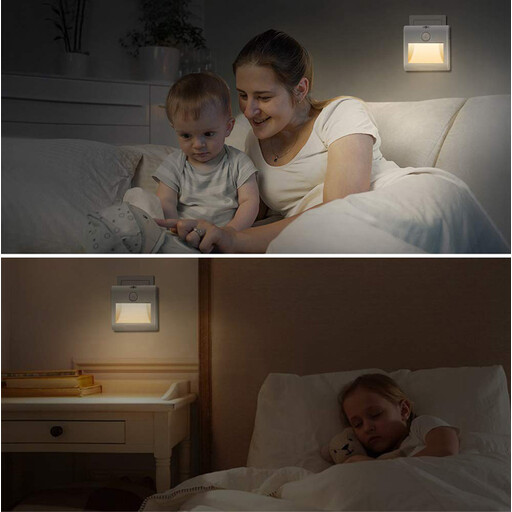
Why This Fits Their Persona: A practical solution for safety and convenience in the dark. Ideal for the hallway, landing, or children's room, so no one has to turn on the main light at night.
This night light with sensor is designed for a specific purpose. It prevents unnecessary energy consumption by only turning on when it detects motion in the dark and provides soft, non-glare light.
Simply plugs into the socket. The set of two is practical for equipping multiple spots in the house with safety lighting at the same time.
We have compiled a complete, up-to-date list of products that fully meet these strict selection criteria and safety regulations.
The savings are significant. An LED bulb uses up to 90% less energy than a traditional incandescent bulb and up to 85% less than a halogen bulb for the same light output. By replacing all your old bulbs, you can significantly reduce your lighting energy bill.
No, not every LED bulb is dimmable. If you want to dim a bulb, you need a dimmable LED bulb and often a compatible LED dimmer switch. Connecting a non-dimmable bulb to a dimmer can lead to flickering, buzzing, or even damage to the bulb. Always check the product packaging or specifications.
