
Vandaag of morgen in huis

Kwaliteit gegarandeerd

Welkomstaanbiedingen ontgrendelen: GRATIS bezorging | Tot 80% korting | Gratis 30 dagen JoyPlus-proefperiode
Download de app
The right LED lighting can transform a space, but the sheer number of options makes choosing difficult. You're looking for a bulb but are inundated with specifications, styles, and smart features. It's easy to get lost and make a purchase you'll later regret. Vague marketing claims and unclear product information don't help.
As a Product Recommendation Officer at Joybuy, I see where things often go wrong. Before you invest in new lighting, it's wise to be aware of a few common pitfalls:
This guide helps you avoid these problems by focusing on what truly matters when choosing LED lighting.
To avoid a bad buy, it's important to look beyond just the appearance. Pay attention to the following three technical specifications.
The socket is the part of the bulb that you screw or click into the fixture. The wrong socket means the bulb simply won't fit. The most common socket in UK and European households is the E27 LED bulb, the familiar large screw base. For smaller fixtures, like a night light or a small lamp, an E14 socket is often used. Spotlights typically use a GU10 socket. Always check the socket of your current fixture before buying a new bulb.
These two values determine the ambiance and functionality of your lighting.
Modern LED lighting offers more than just on and off. Consider which function is practical for you. Sensor-activated lighting is ideal for a hallway, garage, or closet, as the light turns on automatically when you need it. For gamers or tech enthusiasts, an LED strip with RGB colours behind a desk or TV can enhance the experience. Smart lighting that you control with an app or your voice offers ultimate convenience and the ability to set lighting scenes for any occasion.
Not everyone needs the same lighting. Below are some popular choices, tailored to specific needs and interior styles.
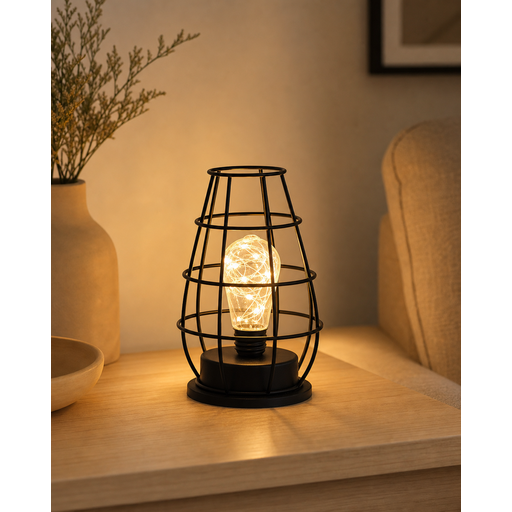
Why This Fits Their Persona: Perfect for those seeking a unique, atmospheric accent. This lamp isn't meant to light up an entire room but to create a cosy nook on a sideboard, bookshelf, or nightstand.
This is purely for ambiance. It avoids the "one-size-fits-all" trap by being specifically designed for decoration, not for bright, functional illumination.
Battery-operated, so there's no fuss with cords, and it can be placed anywhere. The retro design is an instant mood-setter.
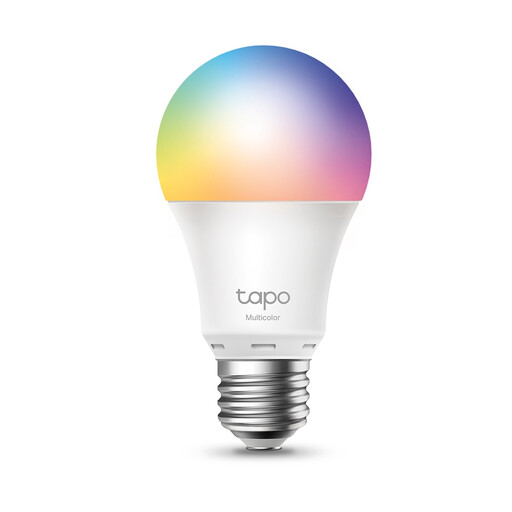
Why This Fits Their Persona: For those who want complete control. Adjust colours, brightness, and schedules via an app. Works with Google Assistant and Alexa for voice control. Ideal for creating lighting scenes for movies, work, or relaxation.
This bulb connects directly to your Wi-Fi network. You avoid the hidden cost trap because no separate hub is required. Installation is simple via the Tapo app.
Fully customisable with 16 million colours and dimmable from 1% to 100%. The E27 socket makes it suitable for most standard fixtures.
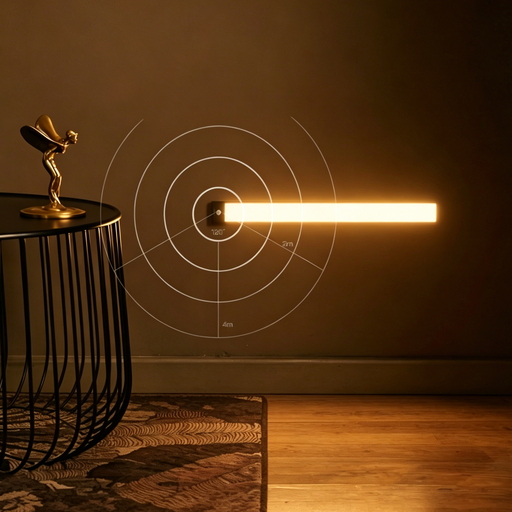
Why This Fits Their Persona: A simple solution for an everyday problem: dark closets, drawers, or hallways. This light provides instant illumination where and when it's needed, without you having to find a switch.
This product avoids the installation nightmare. It's rechargeable and attaches magnetically. You don't need any tools or wiring, making it a quick and effortless upgrade.
The built-in motion sensor provides hands-free convenience and saves energy. Its slim, unobtrusive design fits into almost any interior.
Whether you're looking for a striking **pendant light** for above the dining table, a functional **floor lamp** for your reading nook, or cheerful **Christmas lights**, there's an LED solution for you. We've compiled a complete, up-to-date list of products that meet these selection criteria and EU safety regulations.
Q1: How long does an LED bulb really last? An LED bulb's lifespan is expressed in operating hours, typically between 15,000 and 25,000 hours. With average use, this can amount to 15 years or more. Unlike an incandescent bulb, an LED rarely fails abruptly. Its light output gradually diminishes over time. The actual lifespan depends on the quality of the bulb and the operating conditions.
Q2: Is smart lighting difficult to install? Not anymore. Many modern smart bulbs, like the TP-Link Tapo mentioned above, connect directly to your Wi-Fi network. You screw the bulb into the socket, download the corresponding app on your smartphone, and follow the simple on-screen steps. A separate hub or technical knowledge is often no longer necessary.
Q3: Can I use an LED bulb in any fixture? Usually, yes, as long as you choose the correct socket (e.g., E27). Also, pay attention to the maximum wattage the fixture allows. Although an LED bulb consumes much less power, it's good practice to check this. Be cautious with fully enclosed fixtures; the heat generated by an LED bulb needs to dissipate to avoid shortening its lifespan.
