
Vandaag of morgen in huis

Kwaliteit gegarandeerd

Welkomstaanbiedingen ontgrendelen: GRATIS bezorging | Tot 80% korting | Gratis 30 dagen JoyPlus-proefperiode
Download de app
Switching to LED lighting is a logical step: it's more energy-efficient and lasts longer. But the number of options is overwhelming, and you're constantly bombarded with marketing terms. The result? Many people buy the wrong bulb and end up disappointed. Before you invest in new LED bulbs, it's wise to know the potential pitfalls. We've listed the three most common ones for you, so you can avoid making a bad purchase.
Fortunately, these problems are easy to avoid if you know what to look for.
You don't need to read a technical manual to make the right choice. Pay attention to the following three points, and you'll almost always get it right.
This might sound obvious, but it's the first and most important check. The two most common fittings in households are:
Always check which fitting you need before buying a new bulb.
Forget wattage. With LED lighting, two values matter:
Smart lighting offers a lot of convenience, such as control with an app, voice assistants, or setting schedules. But there are different systems:
To help you get started, we've matched some popular choices to different needs.
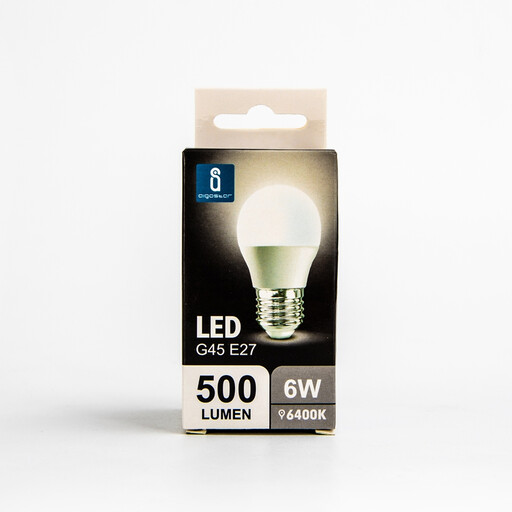
Why This Fits Their Persona: You're just looking for a good, energy-efficient bulb that works. No frills, no app—just a reliable replacement for an old bulb in the utility room, garage, or another functional space.
This bulb has clear specifications (500 lumens, 6400K daylight), so you know exactly what brightness and color you're getting. No surprises and no 'lumen lie'.
A direct replacement for an E27 bulb. Energy-efficient (6W) with a manufacturer-stated lifespan of 25,000 hours.
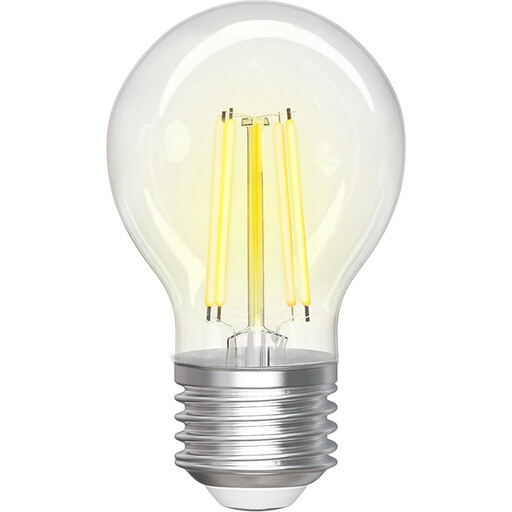
Why This Fits Their Persona: You want to be able to adjust the ambiance in your home: from bright task lighting during the day to a cozy, warm glow in the evening. You want to control this easily, without immediately investing in a whole system.
This bulb works directly via an app on your phone (Wi-Fi), without needing a separate, expensive hub. This helps you avoid the 'smart system trap' for a single room.
Fully dimmable with adjustable color temperature (2700K-6500K) via the Aigosmart app. According to the manufacturer, it works with voice assistants like Alexa and Google Assistant.

Why This Fits Their Persona: You want to automate your entire home and seamlessly integrate lighting with other smart devices. Reliability and extensive options, like an RGB LED strip or solar-powered outdoor lighting, are your priority.
Although this system requires a hub (the Hue Bridge), that's precisely its strength. It creates a stable network, which prevents flickering and lag—a smart solution to the 'dimmer drama'.
A very extensive and reliable ecosystem. This kit includes the Bridge and two Philips Hue bulbs with color and white tones to get you started right away.
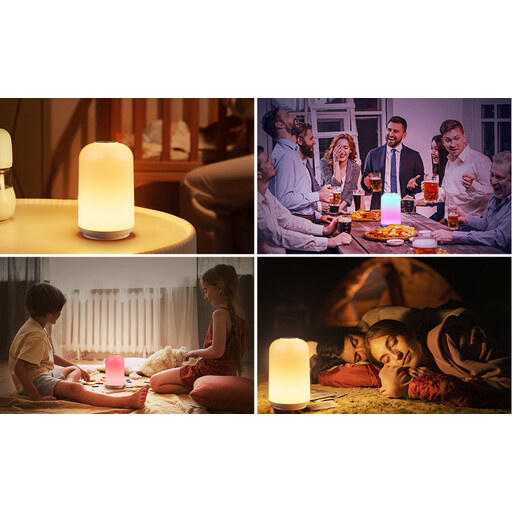
Why This Fits Their Persona: You're looking for a safe, soft, and versatile child's night light that doesn't need to be bright all night and has no cords a child could pull on.
This light is rechargeable and wireless, so there's no fussing with outlets near the bed. The brightness is continuously dimmable, allowing you to set the perfect light level and avoid the 'lumen lie' of overly bright night lights.
Wireless and rechargeable via USB. Offers both warm white light and 7 RGB colors for a playful effect. Made of ABS plastic and metal.
Whether you're looking for a playful string light, functional automotive lighting, or a specific color, there's an LED solution for every situation. Explore our full range.
An LED bulb uses up to 85% less energy than an incandescent bulb and up to 75% less than a halogen bulb for the same light output. Although the purchase price may be higher, you'll earn this back in the long run through a lower energy bill and a much longer lifespan.
No, this is a common problem. Older dimmers are often designed for the high wattages of incandescent and halogen bulbs. An LED bulb has a much lower wattage, which can lead to flickering or buzzing. For a smooth dimming experience, a dedicated LED dimmer is often the recommended solution.
The biggest difference lies in the infrastructure. Philips Hue typically works with a central Bridge (hub) that creates its own network (Zigbee). This ensures a very stable and fast response, and is ideal for a fully smart home. Aigostar offers many bulbs that connect directly to your Wi-Fi network, without a hub. This is simpler and cheaper to start with, but can put more strain on your Wi-Fi network if you add many bulbs.
