
Vandaag of morgen in huis

Kwaliteit gegarandeerd

Welkomstaanbiedingen ontgrendelen: GRATIS bezorging | Tot 80% korting | Gratis 30 dagen JoyPlus-proefperiode
Download de app
The search for the right LED lighting can sometimes feel like navigating a maze. The packaging promises the world, but the reality is often a disappointment: a 'warm white' bulb that feels like an operating theatre, or a night light with a motion sensor that seems to have a mind of its own. Before you spend any money, it's wise to know where the most common pitfalls lie.
Many buyers fall for these three traps:
ambient lighting but get cold, uninviting light.Cabinet lighting with a sensor that only turns on when you bump into it, or worse, stays on all night.rechargeable lamp that claims to last for hours but is dead after just one.This guide will help you avoid these problems and make the right choices based on facts, not marketing slogans.
To avoid buyer's remorse, it's best to focus on a few concrete specifications. These numbers tell you more than any advertising slogan ever could.
In the past, we looked at wattage to determine the brightness of an incandescent bulb. With LED lighting, that's changed. Wattage only indicates energy consumption. Brightness is expressed in lumens (lm). The higher the lumen count, the more light the lamp emits. For example, a 9W LED lamp can produce as much light as an old 60W incandescent bulb. Therefore, always compare the lumens.
The atmosphere of a room is largely determined by the colour of the light. This is measured in Kelvin (K).
ambient lighting in the living room or bedroom.It sounds obvious, but it's a common mistake: the fitting. The two most common fittings in UK households are:
Always check which fitting you need before buying a new LED lamp.
Based on these criteria, we have selected a number of products that suit specific needs.
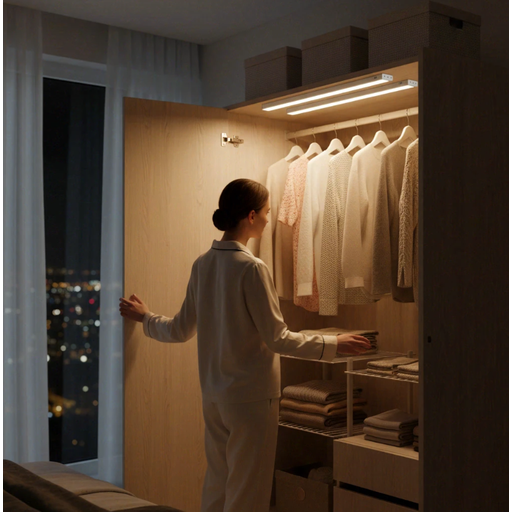
Why This Fits Their Persona: Seeks a simple, effective solution for dark cupboards, hallways, or basements without the hassle of wires or complex installation.
You're not locked into one colour. With three adjustable colour temperatures, you choose the ambiance yourself. The PIR sensor has a clear specification (3-5 metres), which reduces the risk of unreliable operation.
Drill-free installation thanks to adhesive strips and rechargeable via USB for wireless convenience. The set of two is practical for multiple locations in the home.
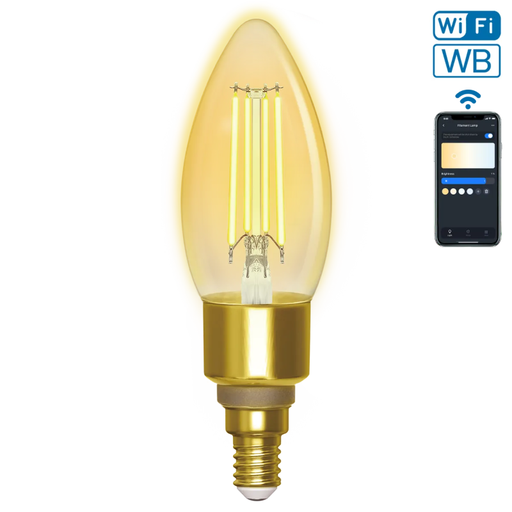
Why This Fits Their Persona: Wants complete control over lighting and to integrate it into a smart home. Perfect for creating different atmospheres at the touch of a button.
The pitfall of the wrong colour temperature doesn't apply here. You set the Kelvin value (from 2700K to 6500K) yourself via an app. This ensures you always have the right `ambient lighting`.
Full control over colour temperature and brightness via WiFi and Bluetooth. This `smart lighting` fits into existing `E14 LED` fixtures.
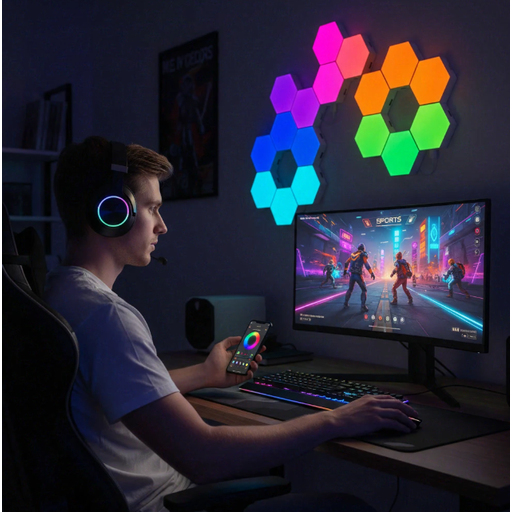
Why This Fits Their Persona: Wants to create a unique, dynamic setup that reacts to sound. Ideal as `gaming lighting` or as decorative wall lighting in a creative space.
This is a modular system designed for personalisation. The feature to sync with music is a concrete characteristic, not a vague promise. You build the shape and control the effects yourself.
Modular design to create your own patterns. The panels react to the rhythm of music for a dynamic effect. Controllable via app and remote control.
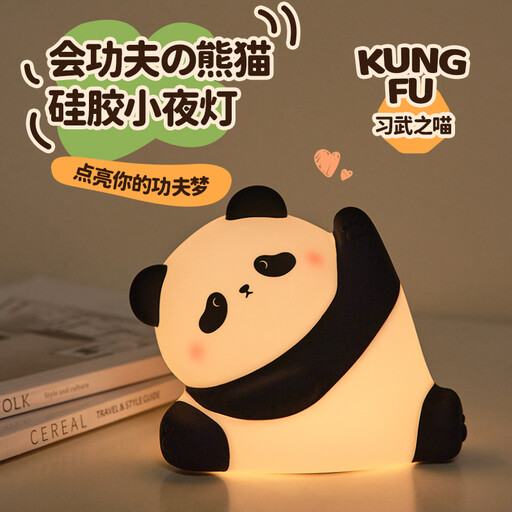
Why This Fits Their Persona: Is looking for a safe, soft, and reassuring `night light` for the nursery that is easy to operate, even by little hands.
The material is specified as food-grade silicone, which alleviates safety concerns. The 3 dimmable levels prevent the light from being too bright. The `rechargeable lamp` feature saves the hassle of batteries.
Made of soft, squeezable, and child-safe material. Simple touch controls and rechargeable for wireless use on the bedside table.
We have compiled a complete, real-time list of products that fully satisfy these strict selection criteria and UK safety regulations.
This depends on the function of the space. As a guideline:
You can distribute this across multiple light sources, such as a ceiling light and a wireless table lamp.
It's simply the size of the screw thread. An E27 fitting has a diameter of 27 mm and is often called the 'large screw' fitting. An E14 fitting has a diameter of 14 mm and is known as the 'small screw' fitting. Check your fixture to see which one you need.
The battery life of a rechargeable lamp varies greatly by product and usage. Specifications often state a maximum duration at the lowest brightness setting. A night light with a motion sensor typically lasts longer than a lamp that is constantly on, as it only activates when needed. Look at the battery's capacity, expressed in mAh (milliampere-hour). A higher value generally means a longer runtime.
