
Vandaag of morgen in huis

Kwaliteit gegarandeerd

Welkomstaanbiedingen ontgrendelen: GRATIS bezorging | Tot 80% korting | Gratis 30 dagen JoyPlus-proefperiode
Download de app
LED lighting is available for almost every application: from smart LED bulbs and cabinet lighting with motion sensors to solar garden lights, car LED bulbs and decorative LED lighting. Yet a high lumen count or a striking product claim doesn't automatically mean a lamp will suit your situation.
The most common buying mistakes come down to three things:
So first, check where you'll use the lamp, how you'll connect it, and which technical specifications you actually need.
Always check the fitting on individual LED bulbs. Common types include:
A Philips Hue bulb with an E27 fitting won't work in a GU10 fitting, and vice versa. With smart lighting, you also need to check whether the bulb works via Wi-Fi, Bluetooth or a separate bridge.
Lumens tell you how much light a bulb emits according to its product specification. Wattage mainly indicates electrical consumption and isn't a direct measure of brightness.
Colour temperature is expressed in kelvin:
A bulb with 1100 lumens could therefore be suitable for functional lighting, while an RGB bulb is mainly designed to add colour and atmosphere. For RGB lighting and smart LED bulbs, dimmability, app support and compatibility with voice assistants are relevant points to check.
The IP code indicates how well a product is protected against dust and water. IP20 is intended for dry indoor spaces. IP44 offers protection against splashing water and may be suitable for sheltered outdoor locations. IP65 provides better protection against dust and water jets, but doesn't mean the product can be used underwater.
Also pay attention to installation:
According to ENdureLite's own claims, some car LED bulbs deliver up to 300% more light than halogen bulbs. That's a brand claim, not a general guarantee for every vehicle. Always check the light distribution after installation and avoid dazzling other road users.
The selection below is matched to different buying profiles. The features mentioned are based on the available product specifications and descriptions.

Why this suits the profile: This cabinet light with motion sensor requires no drilling and is rechargeable via USB. The two lights are ideal for cupboards, shelves and small passageways.
The specifications mention a PIR sensor, 3 colour temperatures, a 1100mAh battery and a slim size of 300 x 38 x 10 mm. This makes the application clearer than just a general brightness claim.
41 LEDs, USB charging, three colour temperatures and adhesive strip mounting without drilling.
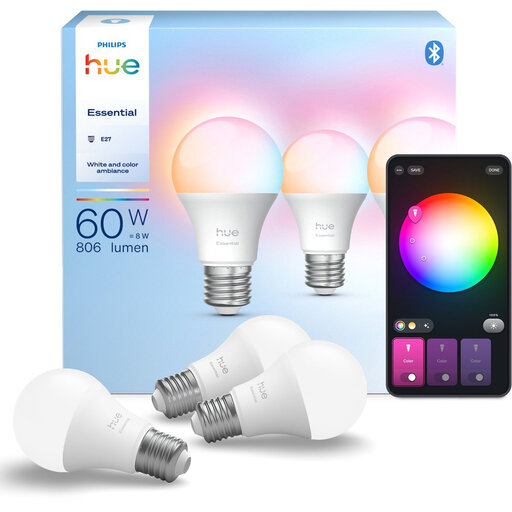
Why this suits the profile: These Philips Hue bulbs are designed for users who want to control their lighting via an app, voice assistant or Hue Bridge.
The fitting is clearly E27 and the bulb is for indoor use with IP20. This means you can easily check where to place it beforehand; outdoor use isn't suitable.
RGBW light, dimming function, 806 lumens per bulb and a lifespan of 25,000 hours according to the specification.
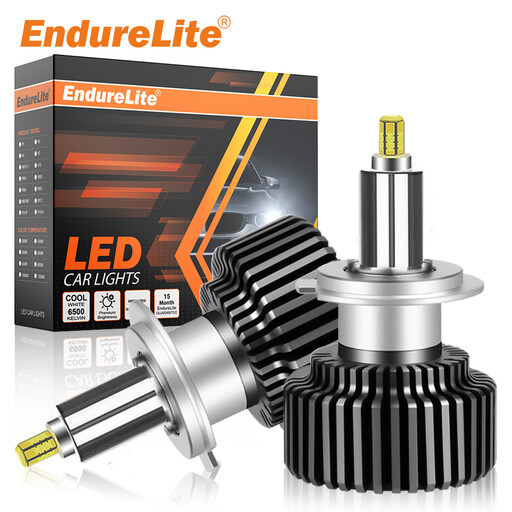
Why this suits the profile: For drivers who want to replace their existing H7 or H18 bulbs and check the fitting and vehicle compatibility beforehand.
The product information mentions H7/H18, IP68, fan cooling and plug-and-play installation. Still check the beam pattern, error messages and legal approval for your car.
6000K cool white, aluminium housing, built-in fan and a set of two bulbs.
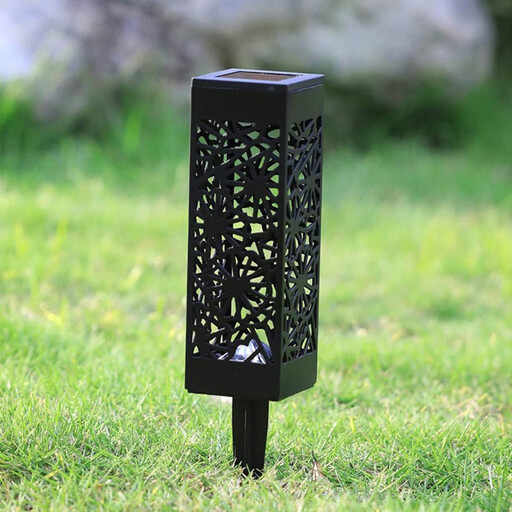
Why this suits the profile: These solar garden lights are designed for paths, borders, patios and flower beds where there's no mains cable.
The specification mentions IP65, automatic switch-on and a recommended charging time of 4 to 6 hours of sunlight. Placing them in the shade may reduce the burn time.
Six lights, warm white light, IP65 rating and installation without tools or wiring.
We've put together a full, up-to-date list of products that fully meet these strict selection criteria and current European safety regulations.
The lifespan varies by product and usage environment. In the product specifications of some Philips Hue bulbs, it states 25,000 hours; with certain ENdureLite car bulbs, the manufacturer claims 50,000 hours. Such figures are product specifications or brand claims and not a guarantee for every use. Heat, moisture, switching frequency and an enclosed fitting can all affect the lifespan.
LED bulbs often have a lower wattage than older light sources for a similar application, but always compare wattage and lumens. A smart bulb may also use a small amount of power in standby mode to remain accessible via Wi-Fi or Bluetooth. The actual cost depends on the wattage, burn time and your energy tariff.
No. Look at the IP rating and the product instructions. IP20 is intended for dry indoor spaces. IP44 may be suitable for a sheltered location with splashing water, and IP65 offers better protection against dust and water jets. A suitable outdoor light must also be correctly installed and connected according to the product instructions.
