
Vandaag of morgen in huis

Kwaliteit gegarandeerd

Welkomstaanbiedingen ontgrendelen: GRATIS bezorging | Tot 80% korting | Gratis 30 dagen JoyPlus-proefperiode
Download de app
Buying a new light may seem straightforward, until the fitting does not fit, the light is too bright or an outdoor lamp starts working less effectively after a few showers. With LED lighting, making the right choice is about more than just the wattage. The fitting, light colour, brightness, moisture protection and controls all affect whether a lamp is suitable for your home.
Pay particular attention to these three common pitfalls:
The fitting determines whether the lamp will physically fit your light fixture.
As well as the fitting, check the bulb’s diameter and height. A lamp may have the correct fitting technically, but still not fit beneath a shade.
Lumens (lm) indicate how much light a lamp produces. For example, a Philips LED bulb with 470 lumens is suitable as a replacement for a traditional bulb with a similar light output. A reading lamp or work area may need more light, while a night light or decorative lighting may need less.
Colour temperature is expressed in Kelvin (K):
Bear in mind that “40 W” or “100 W” on LED bulbs often refers to the light output of a traditional incandescent bulb. The actual energy consumption is lower. Always check the actual wattage, number of lumens and energy label.
IP20 is commonly used for dry indoor areas. A bathroom, covered outdoor area or outdoor light requires a fixture with a suitable IP rating. The rating indicates protection against dust and water; a higher number is not automatically needed for every application.
Also consider how you want to control the lighting:
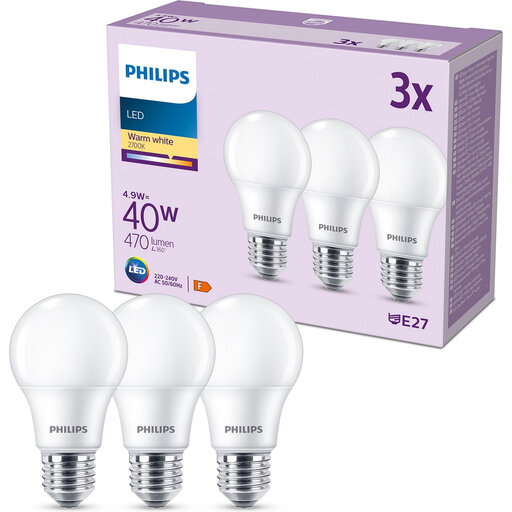
Why it suits this profile: This set is a straightforward choice for anyone looking to replace several standard indoor bulbs with warm LED lighting.
The E27 fitting, 2700 K colour temperature and 470 lumens per light point are clearly stated. The bulb is intended for indoor use and is not dimmable.
3 bulbs per pack, energy consumption of 4,9 W per bulb and a stated lifespan of 15.000 hours.
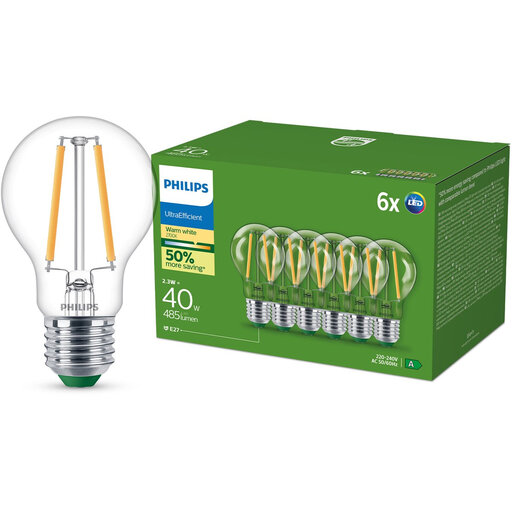
Why it suits this profile: Ideal for households that place a high value on the energy label and a long stated lifespan when making a purchase.
The product lists energy label A, 2700 K and 485 lumens. It is not dimmable, so check whether control via a wall switch is sufficient.
E27 fitting, 6 bulbs per pack and a manufacturer-stated lifespan of 50.000 hours.
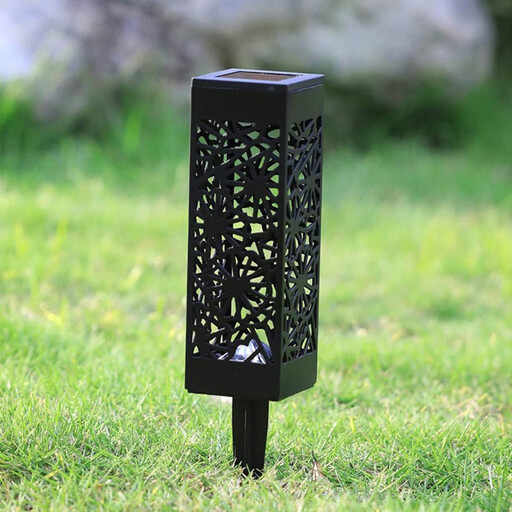
Why it suits this profile: A practical choice for garden paths, flower beds, balconies or patios where you do not want to run cables to a mains socket.
The IP65 rating and stated outdoor use make the intended application clear. However, position the lights in a sunny spot; charging time and operating time depend on the weather.
6 lights, automatic switching on and off, a stated charging time of 4–6 hours and 5–8 hours of illumination after a full charge.
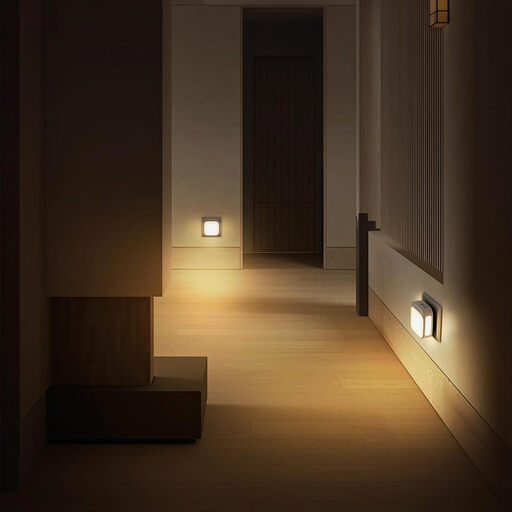
Why it suits this profile: Handy for hallways, children’s bedrooms or a toilet where you want automatic lighting without having to use a switch every time.
According to the product information, the sensor switches on at up to 20 lux and switches off in daylight. The lamp plugs into a socket and is not intended for damp areas.
0,3 W energy consumption, warm white light of 2800–3000 K, adjustable brightness from 10–100% and 20 lumens.
We have put together a complete, up-to-date list of products that fully meet these strict selection criteria and the applicable European safety regulations.
The stated lifespan varies from product to product. The range includes, for example, LED bulbs rated for 15.000 hours and an UltraEfficient model rated for 50.000 hours. These are manufacturer product specifications; the actual lifespan depends, among other things, on usage, heat dissipation and whether the fixture is suitable.
LED bulbs generally use fewer watts for a similar light output than traditional incandescent or halogen bulbs. For a realistic estimate, compare the wattage, number of hours the bulb is used and your electricity tariff. According to Philips’ own information, certain models mentioned use around 80 to 90 per cent less energy than comparable traditional bulbs. This is a brand claim for the products concerned, not a general guarantee for every LED bulb.
Warm white LED bulbs of around 2700–3000 K are often a good fit for a bedroom. A sensor night light can be useful in a hallway or for visiting the toilet during the night. If you want to create different lighting moods, choose a dimmable bulb or a smart LED ceiling light that supports these features according to the product description.
