
Vandaag of morgen in huis

Kwaliteit gegarandeerd

Welkomstaanbiedingen ontgrendelen: GRATIS bezorging | Tot 80% korting | Gratis 30 dagen JoyPlus-proefperiode
Download de app
Switching to LED lighting seems like an easy way to save money, but the reality is often more complex. Many people fall into the same traps: a bulb with an unrealistic lifespan, the wrong fitting, or a colour that completely ruins the atmosphere in your home. Before you invest in new bulbs, it's wise to know what to look for. This will prevent your budget-friendly purchase from ending up in the bin after just a few months.
The most common mistakes are:
You don't need to read a technical manual to make a smart choice. Focus on three simple yet crucial specifications. These will determine if a bulb is right for your needs.
The fitting is the base of the bulb that you screw into the fixture. The two most common types in Dutch households are:
Always check the fitting of the old bulb or the fixture before buying a new one. This is usually printed on the metal or plastic base of the bulb.
The atmosphere of a room is directly influenced by the colour of the light. This is expressed in Kelvin (K). The lower the number, the warmer and more yellow the light.
Forget wattage. With energy-efficient bulbs like LEDs, you should look at the lumen (lm) count. Lumens measure the actual amount of light a bulb emits. A higher lumen count means more light. For comparison, an old-fashioned 60W incandescent bulb produces about 800 lumens. An E27 LED bulb with the same light output often consumes only 8W to 10W.
Not every bulb is suitable for every situation. Below, we match some popular choices to specific user profiles.
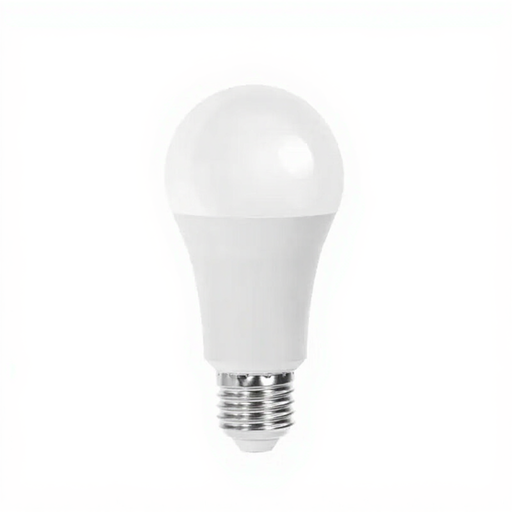
Why it's a match: For those who simply need a reliable, bright bulb for the kitchen, hallway, or office. This set of five is perfect for replacing multiple bulbs at once with an energy-efficient alternative.
The specifications are clear: an E27 fitting and a 4000K colour temperature. No surprises—you get exactly the neutral, bright light you expect for functional spaces.
These Aigostar bulbs offer a high colour rendering index (CRI > 80), making objects look natural. The 25,000-hour lifespan is the manufacturer's indication for long-term use.
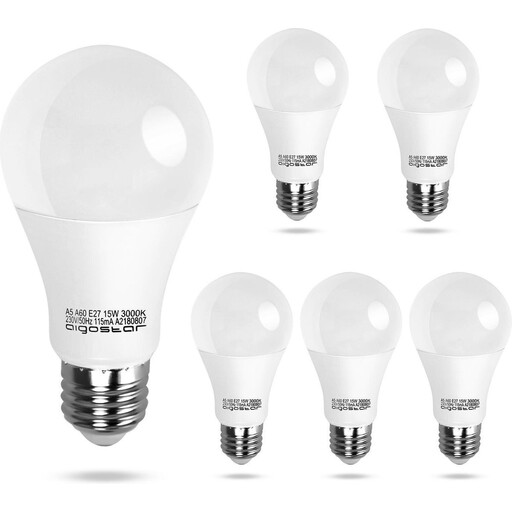
Why it's a match: Perfect for anyone looking to create a cosy, inviting atmosphere in the living room or bedroom. This bulb provides a classic, warm glow ideal for relaxing evenings.
At 3000K, this bulb clearly falls into the warm white LED category. This prevents you from buying a light that is too cold or clinical for a room meant for ambiance.
The bulb delivers a substantial light output of 1200 lumens, ensuring ample illumination without sacrificing the warm colour. The E27 fitting makes it compatible with most standard fixtures.
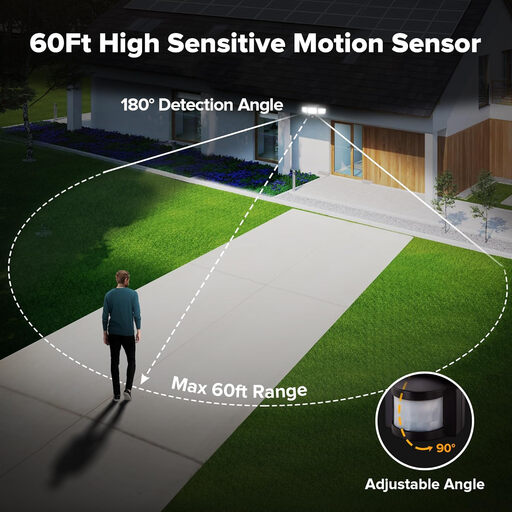
Why it's a match: For anyone wanting to secure their driveway, garden, or shed without the hassle of wiring. This set provides powerful, motion-activated lighting powered by solar energy.
This is a complete solution for outdoor lighting with a sensor. The IP65 waterproof rating ensures the lights can withstand the Dutch weather, unlike indoor bulbs that would quickly fail outside.
Completely wireless thanks to solar power, meaning no installation costs or electricity consumption. The three adjustable heads and a wide detection angle provide effective illumination over large areas.
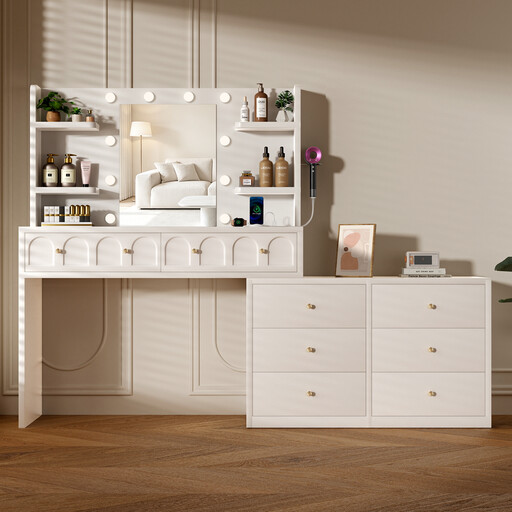
Why it's a match: For those who want to set up a complete and stylish makeup corner. This vanity desk with lights combines storage, a mirror, and perfect lighting in one piece of furniture.
This product solves the problem of wrong colour temperature by offering three adjustable light modes (warm, natural, and cool). This gives you the right light for any situation without needing to buy separate bulbs.
An all-in-one solution. In addition to the adjustable LED lighting, the desk features a built-in charging station with power outlets and USB ports, plus a large amount of storage space.
We have compiled a complete, up-to-date list of products that fully meet these strict selection criteria and Dutch safety regulations.
The consumption of an LED bulb is significantly lower than that of an incandescent bulb. An 8W LED bulb that is on for 4 hours daily consumes about 11.7 kWh annually. With an average electricity price of €0.30 per kWh, that amounts to approximately €3.50 per year. A comparable 60W incandescent bulb would cost around €26 per year in the same situation. The savings are therefore substantial.
No, an LED bulb cannot simply fit into any socket. You must ensure that the bulb's fitting (e.g., E27 or E14) matches the fitting of your fixture. Always check this before making a purchase to avoid a bad buy.
There is no "better" choice; it depends entirely on the room and its purpose.
