
Vandaag of morgen in huis

Kwaliteit gegarandeerd

Welkomstaanbiedingen ontgrendelen: GRATIS bezorging | Tot 80% korting | Gratis 30 dagen JoyPlus-proefperiode
Download de app
Choosing a new lamp might seem straightforward, but there’s a wide range of LED lamps to choose from. A floor lamp, ceiling light or table lamp may look just right in a product photo, but the brightness, controls or dimensions might disappoint once it’s at home. Terms such as “energy-efficient”, “smart” and “dimmable” don’t always tell the whole story either.
Pay particular attention to these three common pitfalls:
Lumens indicate how much light a lamp produces, according to its product specifications. Wattage tells you how much electricity it uses. A higher-wattage lamp isn’t automatically brighter, so check both figures.
A compact LED table lamp with 210 lumens may be enough for a bedside table or mood lighting. For general lighting in a living room, a higher lumen output or several light sources may be more suitable. An LED ceiling light will generally spread light more evenly around a room than a single lamp in the corner.
Check the energy rating, too, if one is listed. An integrated LED module can be efficient, but make sure it’s replaceable. Several models in this guide have an integrated, non-replaceable light source. When it reaches the end of its life, you’ll generally need to replace the whole lamp.
Colour temperature is measured in kelvin (K):
An LED lamp with adjustable colour temperature is practical if a room serves several purposes. Check the CRI or Ra value, too. This indicates how accurately colours are rendered. For example, the Xiaomi LED Desk Lamp 2 lists Ra95. This is a product specification you can check, although your experience will also depend on where you place the lamp and the surrounding conditions.
A dimmable LED lamp can be useful in a living room or bedroom. Check how the dimming works: by touch control, remote control, wall switch or, in some cases, a voice assistant. An LED lamp with a remote control is handy when it’s out of reach.
A floor lamp needs a heavy base and a stable surface. Arrange cables to avoid creating a trip hazard. Products with an IP20 rating are designed for dry indoor spaces and shouldn’t be used in damp areas. When fitting a ceiling light, check that the surface can support the fitting. Electrical installation must comply with local regulations.
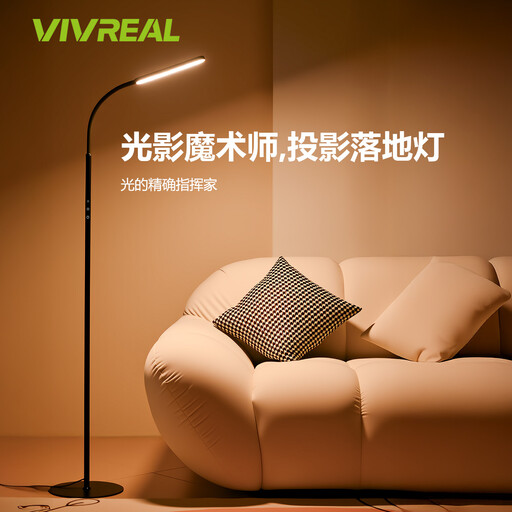
Why it suits this profile: This black LED lamp offers three colour temperatures and remote control, with no complicated installation.
The specifications list 14W, 3000K/4000K/6000K and a remote control range of up to 10 metres. This makes the key settings clear before you buy.
180 cm tall, 216 LED chips, an iron base, and controls for brightness and colour temperature.
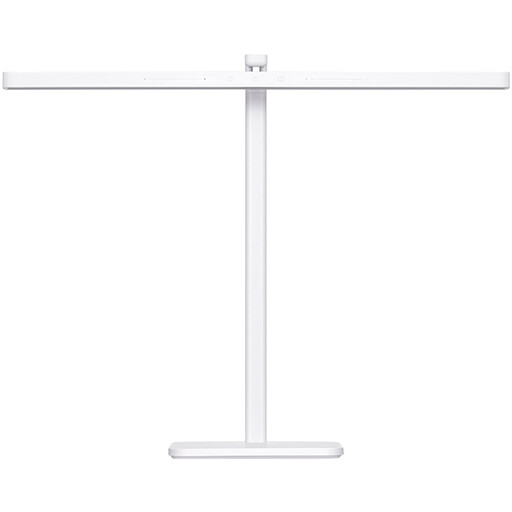
Why it suits this profile: Ideal for a desk where even lighting, accurate colour rendering and smart controls matter.
The lamp lists specific values for 2700K–5100K, brightness control and Ra95. Its 60 cm-wide lamp head is designed for desk use.
10W power, adjustable arm, touch controls and support for Amazon Alexa and Google Assistant.
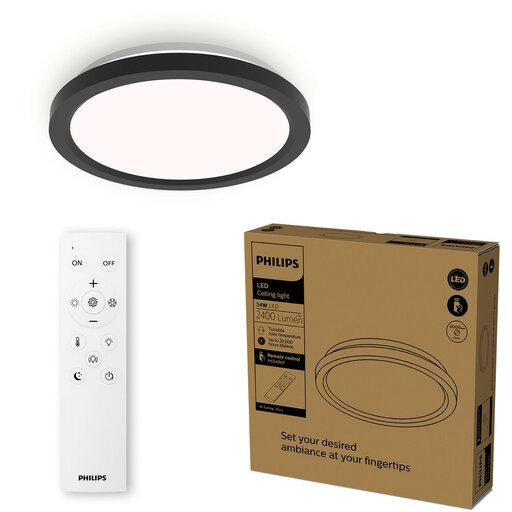
Why it suits this profile: This LED ceiling light is designed to provide general room lighting, with adjustable brightness and colour temperature.
The product specifications list 2400 lumens, 24W, 2700K–6500K and remote control. Before buying, check the installation location and connection.
30 cm round lamp, dimming function, three lighting settings and a stated lifespan of 20,000 hours.

Why it suits this profile: A rechargeable LED lamp for a side table, sideboard or spot without a nearby power socket.
At 21.2 cm tall, this compact lamp runs on a battery and has three dimming settings. That means you can place it wherever you like without needing a fixed cable.
210 lumens, 3000K warm white light, 2W power and an 18650 lithium-ion battery.
We’ve put together a complete, up-to-date list of products that meet these strict selection criteria and comply with current European safety regulations.
It depends on the size of the room, the colour of the walls and the number of light sources. Choose a lamp with enough lumens for general lighting, and consider adding a floor lamp or table lamp for a reading area. Don’t look at wattage alone.
Lifespan varies by model and conditions of use. Some product listings state a lifespan of 20,000 hours, for example. With integrated LED lighting, the light source is often non-replaceable. Before you buy, check whether the fitting uses a replaceable light source, and keep the product information.
LED lighting generally uses less power than many older lighting technologies to produce a similar amount of light. Calculate running costs using: wattage ÷ 1000 × hours of use × electricity price. For example, a 10W lamp used for five hours a day consumes 0.05 kWh per day. The actual cost depends on your energy tariff.
