
Vandaag of morgen in huis

Kwaliteit gegarandeerd

Welkomstaanbiedingen ontgrendelen: GRATIS bezorging | Tot 80% korting | Gratis 30 dagen JoyPlus-proefperiode
Download de app
Buying a new LED lamp seems simple—until you get bogged down by terms like lumens, kelvin, and IP ratings. Many people choose a lamp based on looks alone, only to discover the light is too harsh, too dim, or unsuitable for the intended space. This leads to unnecessary costs and frustration. Before you make a decision, it's helpful to understand the most common pitfalls.
Pitfall 1: The Watt-Lumen Confusion. We used to look at wattage to determine an incandescent bulb's brightness. With an LED lamp, wattage only indicates energy consumption, not light output. A low-wattage lamp can be surprisingly bright, and vice versa.
Pitfall 2: The Wrong Ambiance Due to Color Temperature. A lamp with a high kelvin value produces cool, bluish light that is functional in an office but can make a living room feel sterile and uninviting. Conversely, light that is too warm can be impractical for a reading nook.
Pitfall 3: Using an Indoor Lamp Outdoors. A stylish table lamp that seems perfect for your balcony might fail after the first rain shower. Without the proper protection rating (IP rating), a lamp cannot withstand moisture and dust.
To avoid these problems, pay attention to a few objective specifications. These will help you find a lamp that is not only beautiful but also functional and durable.
The brightness of an LED lamp is expressed in lumens (lm). The higher the lumen count, the brighter the light. Wattage only indicates energy consumption.
Opt for dimmable LED lighting if you want flexibility. This allows you to easily adjust the brightness to suit the situation, from functionally bright to atmospherically dim.
The color of the light is measured in Kelvin (K). A lower value produces warmer, more yellow light, while a higher value means cooler, whiter light.
Some modern lamps offer a CCT (Correlated Color Temperature) feature, allowing you to adjust the color temperature yourself.
The location determines the technical properties a lamp needs. For a solar-powered outdoor light or a garden light with a sensor, the IP rating is crucial. This value indicates the degree of protection against dust and water.
Also, consider functionality. Is there a power outlet nearby, or is a rechargeable lamp more practical? Are you looking for a statement piece like a black arc lamp or a subtle designer table lamp?
Based on these criteria, we have selected a few products that suit different needs and interior styles.
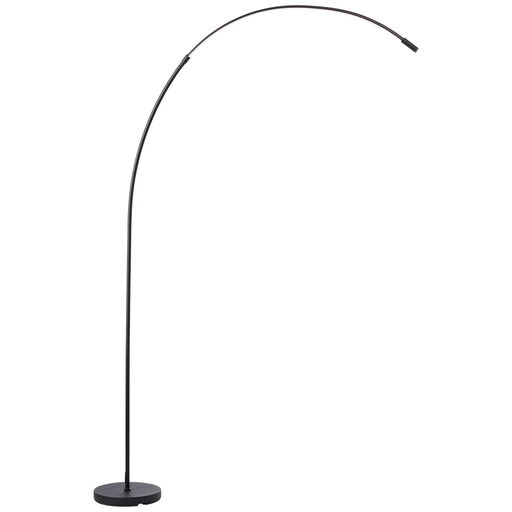
Why This Fits Their Persona: This black arc lamp is a modern and functional addition to the living room. Ideal for illuminating a seating area or dining table without needing to mount a light on the ceiling.
The CCT function (3000-6500K) prevents the 'color temperature mismatch.' You can easily adjust the light from warm and atmospheric to cool and functional.
Combines a sleek design with full control over brightness (dimmable) and color temperature via a touch button on top of the lamp.
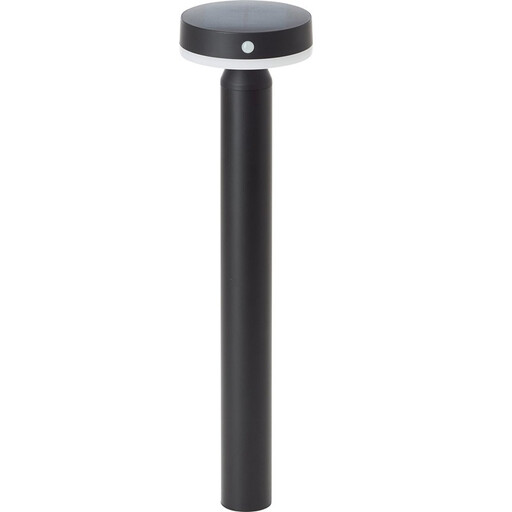
Why This Fits Their Persona: For those who want to illuminate a garden path, driveway, or dark corner of the yard without the hassle of wiring and electricity costs. The lamp charges during the day and automatically turns on when motion is detected.
The IP44 rating guarantees the lamp is splash-proof and therefore suitable for outdoor use. Its solar-powered operation prevents unexpected energy costs.
Completely autonomous thanks to its solar panel and motion sensor. No installation costs, no power consumption, and provides safety and convenience.

Why This Fits Their Persona: Perfect for those who don't want to be tied to a power outlet. Effortlessly move the lamp from the living room reading nook to the balcony for a summer evening.
The 3-step touch dimmer avoids the 'lumen pitfall' by making the brightness adjustable. The IP54 rating makes it suitable for both indoor and outdoor use.
Completely wireless and rechargeable via USB. Its slim, minimalist design fits into almost any interior or exterior setting.
We have compiled a complete, up-to-date list of products that fully meet these selection criteria and comply with current safety regulations.
Integrated LED lighting means the light source is built into the fixture and cannot be replaced. The lifespan is expressed in operating hours and is typically between 25,000 and 50,000 hours. With average use of a few hours per day, this can amount to more than 15 years. When the LED reaches the end of its life, the entire fixture must be replaced.
This depends on the size of the room and the desired effect. A general guideline is 100-300 lumens per square meter (m?). For a 20 m? living room, you would need a total of 2000 to 6000 lumens, distributed across various light sources. For example, a living room floor lamp for general lighting might have 1500 lm, supplemented by a table lamp of 400 lm for a reading nook.
Yes, a dimmed LED lamp consumes less energy than when it is at full brightness. By dimming the lamp, you not only reduce your energy consumption but, according to some manufacturers, you can also extend the lifespan of the LED chip. It's a simple way to both create ambiance and save costs in the long run.
