
Vandaag of morgen in huis

Kwaliteit gegarandeerd

Welkomstaanbiedingen ontgrendelen: GRATIS bezorging | Tot 80% korting | Gratis 30 dagen JoyPlus-proefperiode
Download de app
A new lamp may seem like a simple purchase, but the differences between LED lamps can be significant. A desk lamp for focused work needs to do something different from a table lamp for creating ambience, a floor lamp for the living room or a portable LED lamp for the balcony and car.
The biggest purchasing mistakes usually come down to three pitfalls:
A low price can also prove less attractive if you have to keep buying disposable batteries, the cable is too short or the lamp turns out not to be properly adjustable. So check what you need the lamp for first, and only then consider the design.
Lumens (lm) indicate how much light a lamp produces. A small ambient lamp often provides several dozen to around 150 lumens. For a desk lamp or workstation, more light may be useful, depending on the distance and the lamp’s design. An inspection lamp for car maintenance or DIY work often offers several light modes, allowing you to switch between focused and wider illumination.
Wattage indicates electrical consumption. An LED lamp with a lower wattage can still provide sufficient light. So look at the combination of lumens, light distribution and adjustability.
Colour temperature is expressed in Kelvin:
A lamp with adjustable CCT can offer several colour temperatures. This is useful when you want to use the same floor lamp functionally during the day and create a more atmospheric effect in the evening. Bear in mind that “RGB” mainly means a choice of colours; it does not automatically replace bright task lighting.
A rechargeable lamp is easy to move around, but check the type of connection, the cable supplied and the stated battery specifications. A lamp powered by AAA batteries works without a socket, but the batteries are not always included.
Also consider the controls. A simple on/off switch is suitable for a children’s room lamp or a fandom lamp. A dimmable lamp with touch controls is more suitable if you want to adjust the brightness regularly.
The IP code is important for outdoor use. IP20 means that the lamp is not intended for water or moisture. IP44 provides protection against splashing water, but it does not mean that the lamp can be submerged or exposed to severe weather conditions for prolonged periods.

Why it suits this profile: This compact Marvel lamp is designed for fans looking for a recognisable accent for their desk, bedroom or living room. It works via USB and has a simple on/off switch.
The product information clearly states that it uses USB power, produces warm white light and has an IP20 rating, as well as measuring 30 x 12 cm. This means you know in advance that it is decorative indoor lighting, not a lamp for outdoor use or demanding tasks.
USB connection, integrated LED and official Marvel licence. Suitable for various dry indoor spaces.
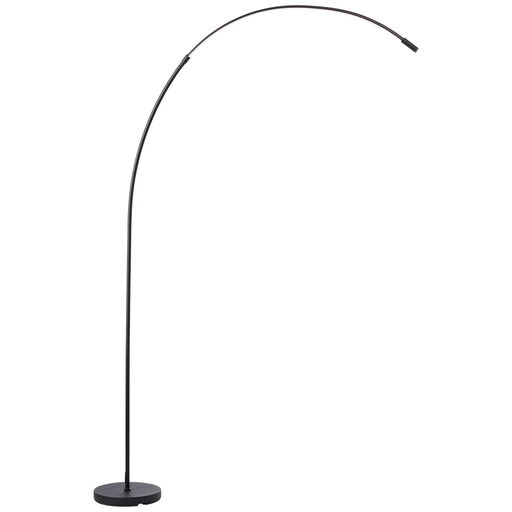
Why it suits this profile: This tall floor lamp is aimed at anyone looking for a single fitting for living-room lighting, a reading corner and ambient lighting. The light colour can be adjusted from 3000 to 6500 K.
The specifications list 1300 lumens, a touch dimmer, CCT adjustment and a 2.28-metre cable. This means the lamp is not limited to one fixed light colour or a short power cable.
1300 lumens, dimmable and adjustable colour temperature. IP20 means it is suitable for dry indoor spaces.
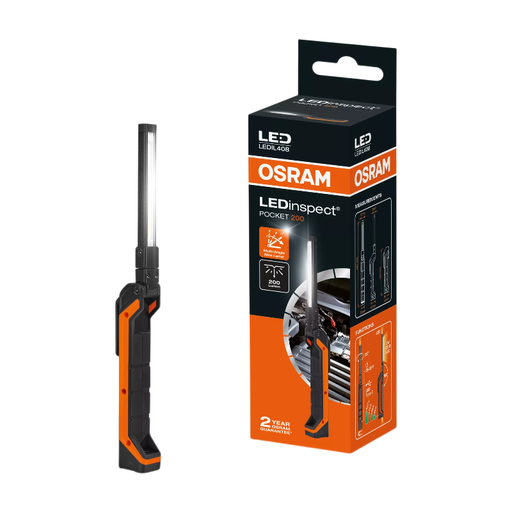
Why it suits this profile: This magnetic work light is designed for car maintenance, workshops and DIY tasks in places where you need both hands free.
The lamp uses an integrated lithium-ion battery with USB-C and has three light modes: 200, 80 and 40 lumens. The magnetic base and adjustable head eliminate the hassle of loose lamps or awkward cables.
120 grams, a head that bends through 180 degrees and rotates through 360 degrees. The stated colour temperature is 6500 K.
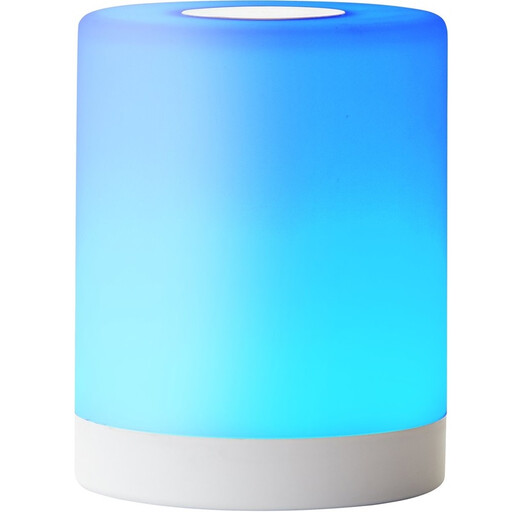
Why it suits this profile: This rechargeable lamp is suitable for use on a table, balcony, patio or in the garden when you want flexible ambient lighting without a fixed connection.
The IP44 rating clearly shows in the specifications that the lamp is splash-resistant. This is a more reliable starting point than simply relying on the word “outdoor” in a product title. The lamp must not be submerged.
RGB function, warm white light at 3000 K, touch dimmer and integrated 18650 lithium-ion battery.
We have put together a complete, up-to-date list of products that fully meet these strict selection criteria and the applicable European safety regulations.
Lifespan varies by model and usage. Check the stated lifespan in the product information and find out whether the light source can be replaced. Several of the models mentioned have an integrated, non-replaceable LED. In that case, you will eventually replace the lamp or fitting, rather than just a separate light source.
Consumption depends on the wattage and the number of hours the lamp is switched on. For a simple calculation, multiply the power in watts by the number of hours of use, then divide by 1000 to calculate consumption in kilowatt-hours. A lamp with a dimming function can also help you avoid running it at full brightness all the time.
No. Check the IP rating and the manufacturer’s instructions. An IP20 lamp is designed for dry indoor spaces. A model with IP44 is suitable for splashing water, for example on a sheltered balcony or patio, but not for submersion or prolonged exposure to heavy rain.
