
Vandaag of morgen in huis

Kwaliteit gegarandeerd

Welkomstaanbiedingen ontgrendelen: GRATIS bezorging | Tot 80% korting | Gratis 30 dagen JoyPlus-proefperiode
Download de app
Upgrading from traditional halogen bulbs to modern LED headlights is a popular choice for many drivers. The promise of better visibility, a longer lifespan, and a crisp, white aesthetic is appealing. However, the market is flooded with options and marketing claims that don't always deliver. This makes it easy to make a costly mistake.
As a Joybuy Product Recommendation Officer, I'm here to help you make the right choices. We'll look past the marketing hype and focus on what truly matters. Let's discuss the three most common pitfalls that can cost you time and money.
Many manufacturers advertise plug and play headlights. In theory, this means you simply twist out the old halogen bulb and install the new LED, hassle-free. The reality is often different. Especially in modern cars, the Canbus system, which monitors the status of the bulbs, can cause issues. This leads to flickering lights or an error message on your dashboard. A bulb that isn't specifically designed for your vehicle model is rarely truly "plug and play."
Brands love to throw around impressive lumen figures (12,000LM, 20,000LM, etc.). While lumens indicate the total amount of light emitted, this says nothing about its effectiveness on the road. A correct beam pattern is far more important. A poorly designed LED bulb can scatter light in all directions. This blinds oncoming drivers, which is dangerous and can cause your vehicle to fail its safety inspection. The focus should be on a sharp, controlled beam pattern that illuminates the road where it's needed.
LED chips get hot. Without effective cooling, their light output diminishes rapidly, and their lifespan is drastically shortened. Cheaper models often rely solely on a passive aluminum heat sink, which can be insufficient in a tight headlight housing. A bulb with an active cooling fan is typically a more reliable choice for stable, long-term performance.
To avoid a bad purchase, there are a few technical details you must check before you buy.
This is the most basic, yet most crucial, step. Every car and every function (low beam, high beam, fog light) uses a specific bulb fitment. The most common types are H7 LED (often for low beams) and H4 LED (a combination bulb for low and high beams). Always check your car's owner's manual or the code on your current bulb to be sure which type you need. This prevents you from buying a bulb that simply won't fit.
To avoid the aforementioned error messages, choose a Canbus LED bulb. These bulbs have a built-in resistor that simulates the power consumption of a halogen bulb, so the car's computer system doesn't detect a fault. Note: for some cars, particularly from German brands like Volkswagen, BMW, and Mercedes-Benz, even a Canbus-ready bulb may require an external decoder. Good product information will state this explicitly. A 1:1 design, where the LED bulb has the same dimensions as the original halogen bulb, makes replacing car bulbs significantly easier.
A good beam pattern is essential for safety and passing inspections. Look for bulbs that replicate the light pattern of the original halogen bulb. This ensures a sharp cut-off line that prevents you from blinding oncoming drivers. The color temperature, expressed in Kelvin (K), determines the color of the light. A 6000K car bulb produces a bright, cool white light that is similar to daylight. This improves contrast and the visibility of road markings and traffic signs at night. This also applies to specific applications like LED fog lights, where a clear beam pattern is crucial.
Not every bulb is right for every driver. Below is a selection tailored to different needs and budgets.
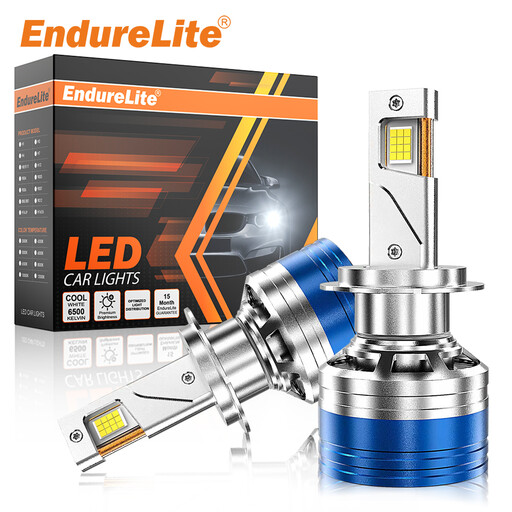
Why This Fits Their Persona: Ideal for those seeking a noticeable improvement in visibility and style without paying a premium. A no-nonsense upgrade for one of the most common fitment types (H7).
The 1:1 design and built-in Canbus driver reduce the risk of installation issues and error messages, making the 'plug and play' promise a reality for many cars.
Active cooling with a built-in fan ensures a stable lifespan. The 6000K color temperature provides a bright white and modern beam pattern.
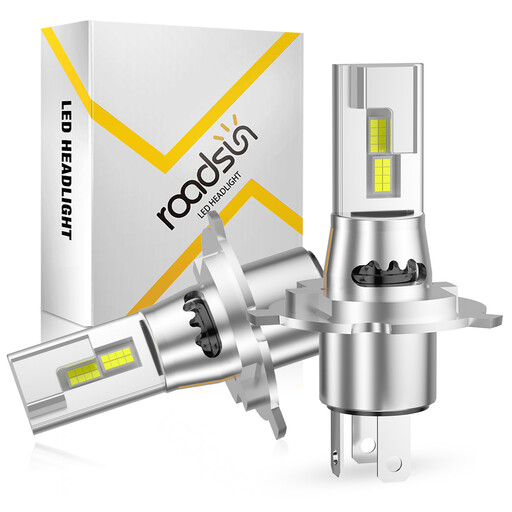
Why This Fits Their Persona: For the driver who demands maximum visibility and reliability, especially during frequent night drives on unlit roads. This H4 bulb combines low and high beams.
The focus is on a powerful cooling system (16,000 RPM fan) that safeguards the lifespan and prevents the high light output from degrading due to overheating.
According to Roadsun, this bulb delivers a very high light output (500% brighter than halogen) and is IP68 waterproof, ensuring reliability in all weather conditions.
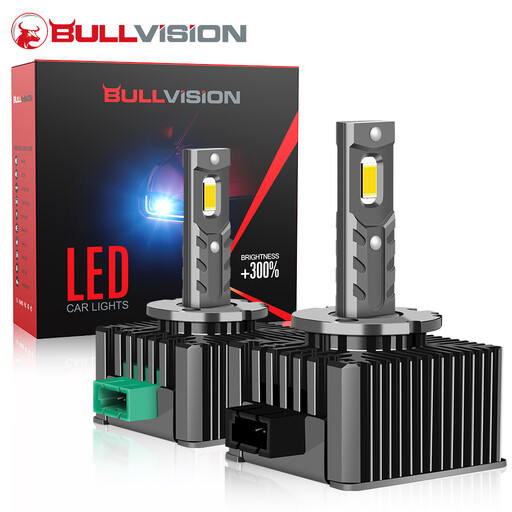
Why This Fits Their Persona: For owners of cars with factory-installed xenon lighting (D1S, D2S, etc.) who want to switch to the benefits of LED without complex and costly wiring modifications.
This model is specifically designed to connect directly to the original xenon bulb's connector. This solves the complex 'plug and play' challenge for xenon systems.
Offers a direct upgrade path for various D-type xenon bulbs, maintaining a correct beam pattern and featuring built-in Canbus compatibility for most modern vehicles.
We've compiled a complete, up-to-date list of products that meet these strict selection criteria, focusing on reliability and performance.
Aftermarket LED car lighting is permitted for use, provided it meets legal requirements. The bulbs must produce a correct beam pattern that does not blind oncoming drivers. While an E-mark certification on the bulb itself is a good indicator, it is the owner's responsibility to ensure the headlight assembly as a whole (bulb plus housing) produces a correct beam pattern for a safety inspection.
Manufacturers often advertise a lifespan of 30,000 to 50,000 operating hours. In practice, this depends heavily on the quality of the cooling system. A bulb with a good active fan that keeps the temperature stable is more likely to approach this lifespan than a cheap model that overheats.
This is a common problem in cars with a Canbus system because LED bulbs consume less power than halogen bulbs. Therefore, always choose a Canbus LED model. For some sensitive vehicles, an additional external decoder (resistor) may still be necessary to completely eliminate the error message. Check the product description for specific exceptions.
