
Vandaag of morgen in huis

Kwaliteit gegarandeerd

Welkomstaanbiedingen ontgrendelen: GRATIS bezorging | Tot 80% korting | Gratis 30 dagen JoyPlus-proefperiode
Download de app
Considering replacing your car's standard halogen bulbs with modern LED headlights? You're not alone. The promise of better visibility, a sleek appearance, and a longer lifespan is appealing. But the market is flooded with options and marketing claims that don't always deliver.
As a Product Recommendation Officer at Joybuy, I see where things go wrong every day. Many car owners invest in an upgrade that ends in flickering lights, dashboard error messages, or a failed vehicle inspection. Before you spend your money, let's discuss the three most common pitfalls and how to avoid them.
Many sellers advertise LED car bulbs with Canbus support, suggesting they will work flawlessly in any modern car. The reality is different. A car's Canbus system monitors whether all lights are functioning. Because LED bulbs consume far less power than halogens, the onboard computer often 'thinks' the bulb is broken. This results in an error message or flickering lights. Especially with German car brands (VW, Audi, BMW, Mercedes), a so-called "built-in" Canbus feature is often insufficient, and an external decoder is still required.
Brands toss around staggering lumen figures (30,000 LM or more). However, more lumens do not automatically mean better visibility. The effectiveness of a headlight depends on the beam pattern: how the light is projected onto the road. A poorly designed LED bulb in a reflector built for halogen will scatter light in all directions. This blinds oncoming drivers and creates dark spots in your own field of vision, which is downright dangerous. A correct beam pattern is more important than a high lumen count.
The term plug and play headlights sounds ideal: old bulb out, new one in, and you're done. Unfortunately, the physical size of many LED bulbs is a common stumbling block. The cooling fin or fan at the back is often larger than the original halogen bulb, preventing the headlamp unit's dust cover from fitting back on. This leads to creative, but often moisture-attracting, 'solutions'. A bulb that truly has 1:1 identical dimensions to the original is rare but crucial for a hassle-free installation.
To avoid buyer's remorse, focus on the specifications that truly matter. These are the objective criteria that determine whether a set of LED car lights is an upgrade or a source of frustration.
Based on these criteria, we have selected a number of products that suit different types of users.
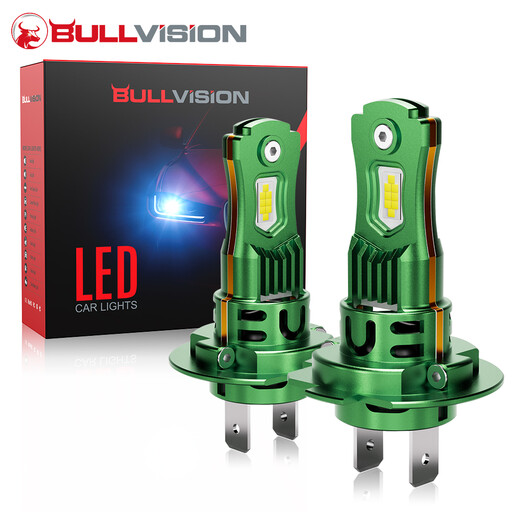
Why This Fits Their Persona: You want to replace halogen with LED for better visibility, but without spending a fortune. This set is designed for a simple upgrade and offers a noticeable improvement at an accessible price.
The 1:1 mini design tackles the 'plug and play' pitfall. The bulb has the same dimensions as a standard H7 halogen bulb, making it highly likely to fit in the housing without modifications.
Simple installation and a bright white beam pattern (6000K). Note: the manufacturer states that an additional Canbus decoder may be required for some European brands.
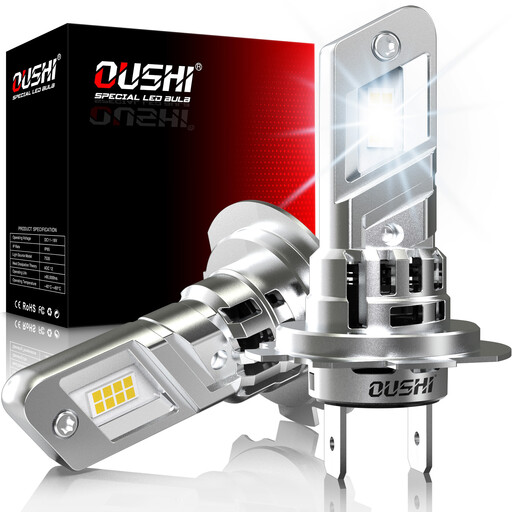
Why This Fits Their Persona: You're looking for a reliable and powerful low beam LED solution for your modern (European) car. You're willing to pay a bit more for higher compatibility and a longer lifespan.
According to OUSHI, this bulb is compatible with 98% of vehicle systems, directly addressing the Canbus myth. The active cooling fan is designed to maximize lifespan and support the high lumen claim.
The combination of a 1:1 size, a powerful cooling fan, and an advanced Canbus system (according to the manufacturer) makes this a solid choice for those seeking performance and reliability.
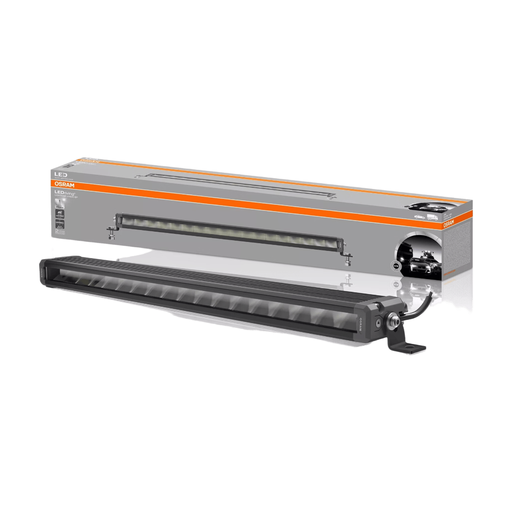
Why This Fits Their Persona: You don't need a replacement, but rather powerful, auxiliary lighting for professional or off-road use. Durability, reliability, and legal approval are non-negotiable for you.
This product avoids all pitfalls by being clear about its purpose: it's an auxiliary high beam, not a replacement. The focus is on its ECE R112 approval (requires installation in pairs) and robustness (IP67), not on vague marketing terms.
A street-legal and extremely durable lighting system from a renowned brand. The spot beam is designed for maximum long-distance visibility (up to 415 meters, according to OSRAM).
We have compiled a complete, up-to-date list of products that meet these strict selection criteria and local regulations.
Yes, it is permitted in many regions, but there are strict conditions. The LED bulb must have an ECE approval specifically valid for your car model. Additionally, the beam pattern must be correct and must not produce glare that could blind oncoming drivers. For many individual 'retrofit' LED bulbs, the legal status is a grey area. Therefore, always check the current regulations from your local vehicle authority. Auxiliary light bars with an ECE R112 certification, like the one from OSRAM, are legal to use as a supplementary high beam.
This is a classic Canbus conflict. Your car's onboard computer measures a resistance that is too low and concludes that the bulb is defective. The most common solution is to install an external Canbus decoder (also known as a resistor) between the car's wiring and the new LED bulb. This 'tells' the computer that everything is okay.
Manufacturers often advertise a lifespan of 50,000 hours or more. In practice, this depends entirely on the effectiveness of the cooling system. Overheating is the biggest enemy of an LED chip. Bulbs with an active cooling fan and a well-designed aluminium housing generally have better heat dissipation and will therefore maintain their light output longer and have a longer lifespan than passively cooled models.
