
Vandaag of morgen in huis

Kwaliteit gegarandeerd

Welkomstaanbiedingen ontgrendelen: GRATIS bezorging | Tot 80% korting | Gratis 30 dagen JoyPlus-proefperiode
Download de app
Driving in the dark or in bad weather with dim, yellowish halogen bulbs is frustrating and can feel unsafe. Upgrading to modern LED headlights seems like a logical step for better visibility and a fresh look for your car. But the market is flooded with options and marketing promises that don't always deliver. Many car owners fall into the same traps, leading to wasted money, installation problems, or even failing a vehicle safety inspection.
As a Joybuy Product Recommendation Officer, I'm here to help you cut through the noise. We'll focus on the specifications that truly matter, so you can make an informed decision. First, let's look at the most common pitfalls:
To avoid these problems, it's crucial to focus on a few core specifications. These aren't complex technical details, but practical points of focus that separate a good purchase from a bad one.
The most important factor is the fitting. Your car uses a specific bulb type, such as H7 LED for low beams or H4 LED for a combined low and high beam. This information is listed in your car's owner's manual or on the old bulb itself. A bulb with the wrong fitting simply won't fit.
Equally important is the beam pattern. Good LED car lighting is designed to mimic the light pattern of the original halogen bulb. This ensures a sharp cut-off line, illuminating the road effectively without blinding oncoming drivers. A colour temperature around 6500K provides a crisp, white light similar to daylight, resulting in bright headlights and reduced eye strain during night drives.
Nobody wants to spend hours replacing car bulbs. Look for plug-and-play headlights. These are designed with a 1:1 size compared to the original halogen bulb and don't require separate drivers or adapters. You twist the old bulb out and the new one in.
For cars made after circa 2005, CAN bus LED compatibility is often a requirement. The CAN bus system monitors whether all lights are functioning correctly. Because LED bulbs use less power than halogens, the system might think the bulb is broken and trigger an error message. A "CAN bus ready" bulb has a built-in resistor to prevent this. However, some car brands, particularly European ones, may still require an external decoder.
A long lifespan is directly dependent on the cooling system. There are two main types:
Below is a selection of products matched to different user profiles. These aren't "winners," but practical options that score well on the criteria mentioned above.
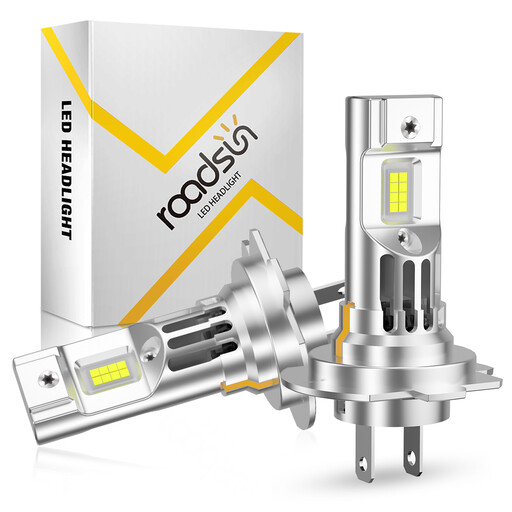
Why it's a match: Ideal for those seeking a simple, affordable, and quick upgrade. The H7 fitting is one of the most common for low beams, and this bulb is designed for an installation without extra parts.
The "plug-and-play" design with no adapter needed directly addresses compatibility and installation issues. You don't have to mess with extra cables or holders.
Active cooling: The built-in fan helps prevent overheating. 6500K colour temperature: Provides a modern, bright white light.
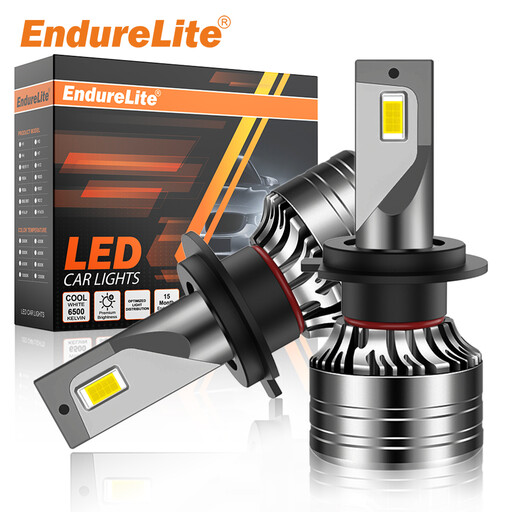
Why it's a match: Perfect for cars that use a single H4 bulb for both low and high beams. This set offers a complete upgrade in one go, with a focus on a correct beam pattern for both functions.
According to the manufacturer, ENdureLite, this bulb simulates the original beam pattern, which addresses the "blinding" trap. The built-in CAN bus-ready driver is designed to minimise error codes.
All-in-one: Upgrades both low and high beams. IP68 rating: Excellent resistance to water and dust, which improves reliability in all climates.

Why it's a match: For drivers looking for a powerful solution for a specific application, like high beams or **LED fog lights** with a 9005/HB3 fitting. The focus here is on performance and durability.
The combination of an aluminium body and a "turbo fan" tackles the pitfall of overheating and short lifespan. This system is engineered for stable, long-term operation.
Powerful cooling: The active cooling system is focused on maintaining brightness over time. 1:1 design: Simplifies installation, despite the advanced cooling.
We've compiled a complete, up-to-date list of products that meet these selection criteria and fit a wide range of car models.
This is a critical point. For use on public roads, vehicle lighting must have official certification (like an E-mark or DOT approval) that is specifically issued for the vehicle model and headlight housing. Most aftermarket LED replacement kits do not have this individual certification. Officially, they are often intended for off-road or track use only. During a safety inspection, the beam pattern and light colour are checked. A correctly adjusted LED bulb with a good beam pattern and a white colour is often approved in practice, but this can depend on the inspector. Always check your local regulations and your vehicle's requirements.
The process for replacing car bulbs is similar for most cars, especially with plug-and-play headlights:
Both colour temperatures produce a bright, white light and are a major improvement over the yellowish light of halogens (around 3200K). The difference is subtle:
The choice is largely a matter of personal preference. Both options provide excellent visibility. A 6500K car bulb is often perceived as slightly more modern and crisp.
