
Vandaag of morgen in huis

Kwaliteit gegarandeerd

Welkomstaanbiedingen ontgrendelen: GRATIS bezorging | Tot 80% korting | Gratis 30 dagen JoyPlus-proefperiode
Download de app
Driving in the dark or in bad weather with dim, yellowish halogen bulbs is frustrating and can feel unsafe. Switching to modern LED headlights promises brighter visibility and a longer lifespan. However, the market is flooded with options and marketing claims that don't always deliver. Many car owners fall into the same traps, leading to disappointment, wasted money, and sometimes even failing a vehicle inspection.
Before you invest in new LED car lights, it's crucial to understand the most common missteps:
To make an informed choice, it's wise to focus on a few objective specifications instead of marketing jargon. This will help you when replacing halogen with LED in a way that is a genuine improvement.
The fitting code (like H7 LED or H4 LED) is the first step, but not the only one. Check if the LED bulb has a 1:1 design compared to the original halogen bulb. This means the dimensions are virtually identical. A bulb that is too large may not fit, causing the installation to fail or preventing the headlight's dust cover from closing. This is critical for a true 'plug and play' experience. Popular fittings include:
A correct beam pattern is legally required and essential for safety. Good LED headlights are designed so that the LED chips are positioned in the exact same spot as the filament in a halogen bulb. This creates a sharp beam with a clear cut-off line between light and dark, ensuring the road is well-lit without dazzling oncoming traffic.
The color temperature, expressed in Kelvin (K), determines the color of the light. A 6000K headlight produces a bright, cool white light that closely resembles daylight. This improves contrast and the visibility of road signs and obstacles, reducing eye strain during night drives.
The lifespan of an LED bulb depends directly on how well heat is dissipated. There are two common systems:
A robust aluminum construction and a high IP rating (like IP68) for water and dust resistance also contribute to longer, more reliable operation in all weather conditions.
Based on these objective criteria, we have selected a few products that suit different needs and vehicles.
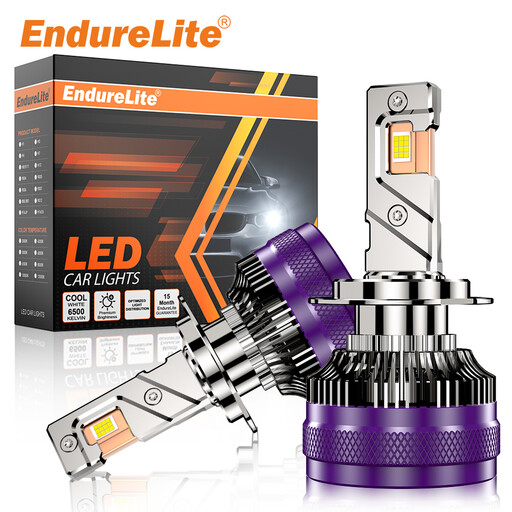
Why This Fits Their Persona: Ideal for those who want a quick and hassle-free upgrade. The emphasis is on a simple installation that can be completed in minutes, without any modifications to the headlight housing.
The 1:1 size matches the original halogen bulb, delivering on the 'plug and play' promise and ensuring the dust cover fits perfectly.
Quick installation (in 3 minutes, according to the manufacturer). CANbus-ready design to prevent dashboard error messages on most vehicles.
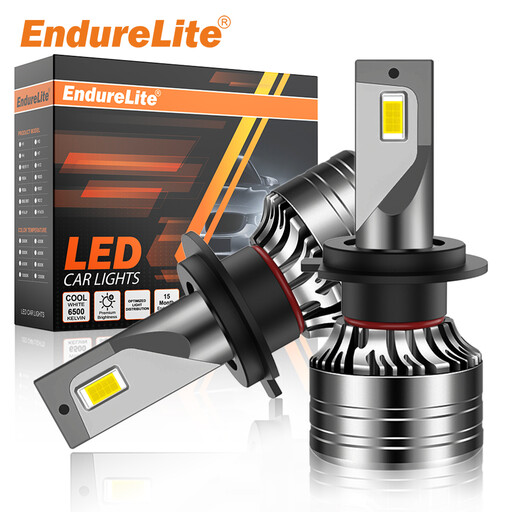
Why This Fits Their Persona: For drivers who prioritize maximum visibility and a correct beam pattern. The H4 fitting combines low and high beams, offering a complete headlight upgrade.
The manufacturer claims a 'perfect beam pattern' that simulates the original light distribution. This addresses the pitfall of scattered light and blinding oncoming traffic.
Combined low and high beam function. The focus on a precise beam pattern contributes to road safety.
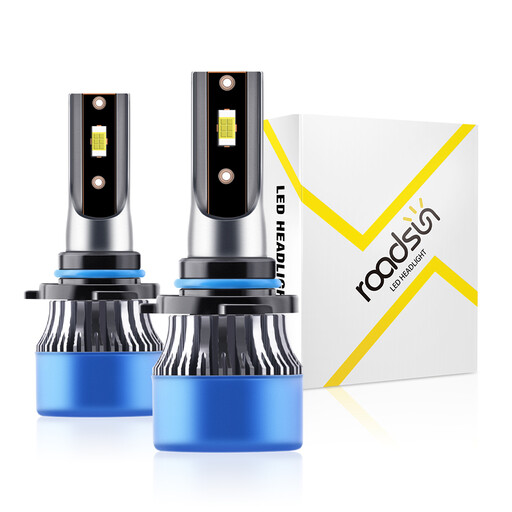
Why This Fits Their Persona: Suitable for drivers of SUVs, off-road vehicles, or motorcycles who need reliable lighting in tough conditions, such as off-roading, rain, or fog.
The IP68 rating for water and dust resistance and the efficient fan-based cooling system tackle the pitfall of a short lifespan due to overheating and environmental factors.
High durability for all weather conditions. Suitable for a wide range of vehicles, including powersports and off-road.
Beyond LED car lights, the right LED technology can also make a huge difference in and around the home for ambiance or focus.
We have compiled a complete, up-to-date list of products that meet these selection criteria and comply with current regulations.
Retrofitting LED bulbs into headlights originally designed for halogens can be a legal gray area. For vehicle safety inspections, it is crucial that the beam pattern is correct and not dazzling. The bulbs themselves must have an E-mark certification that is valid for the type of reflector they are placed in. Always check the current regulations with your local vehicle authority and choose bulbs specifically designed to replicate the halogen beam pattern.
Modern cars use a CANbus system to check if the lights are working. Because LED bulbs consume much less power than halogen bulbs, the system might think the bulb is broken and trigger an error message. To prevent this, choose CANbus-ready LED bulbs. These have a built-in resistor to 'trick' the system. For some highly sensitive car models, an external resistor (decoder) may still be necessary.
Manufacturers often advertise a lifespan of 30,000 to 50,000 operating hours. For comparison, a halogen bulb lasts an average of 500 to 1,000 hours. The actual lifespan of an LED bulb heavily depends on the quality of its cooling system. A bulb that can dissipate heat effectively will maintain its brightness longer and is more likely to reach its promised lifespan.
