
Vandaag of morgen in huis

Kwaliteit gegarandeerd

Welkomstaanbiedingen ontgrendelen: GRATIS bezorging | Tot 80% korting | Gratis 30 dagen JoyPlus-proefperiode
Download de app
For many drivers, upgrading from traditional halogen bulbs to modern LED headlights is a logical next step. You want better visibility in the dark, faster lighting response times, and a sleek, white look for your vehicle. However, the market is flooded with options and marketing promises that don't always deliver. This often leads to disappointment, unnecessary costs, and sometimes even unsafe situations.
Before you invest in new LED car lighting, it's crucial to recognise the most common pitfalls:
By paying attention to the right specifications, you can avoid these problems and choose a set that is a genuine improvement.
To avoid a bad purchase, focus on the technical details that truly matter. These are the non-negotiable factors for a successful upgrade.
This may seem obvious, but it's the most crucial first step. Every car and every function (low beam, high beam, fog light) uses a specific fitting. The most common types are H7 LED and H4 LED (which often combines low and high beams). Other frequently used fittings include H11 LED and 9005 HB3 LED. Always check your car's owner's manual or the old bulb itself to determine the correct fitting. The wrong fitting simply won't fit or function correctly.
As mentioned earlier, the Canbus system is the onboard computer that monitors your car's electronics. To prevent error messages or flickering lights, you need Canbus LED headlights. These bulbs have a built-in resistor or an advanced driver that simulates the power consumption of a halogen bulb. This makes the onboard computer 'think' that a correct bulb is installed. Look specifically for "Canbus Ready" or "Error Free" in the product description.
A good LED bulb must exactly mimic the light pattern of the original halogen bulb. This is achieved by placing the LED chips in the exact same position as the filament in a halogen bulb. Look for products that mention a "1:1 design" or "perfect beam pattern."
Additionally, the ease of installation is an important factor. Plug-and-play car bulbs are designed to fit directly into the existing housing without modifications, external drivers, or extra cables. This makes the installation process much simpler. A popular color temperature is 6000K xenon white, which provides a bright, modern, and white light without a blue tint.
Based on these criteria, we have selected a number of products that suit different user profiles.
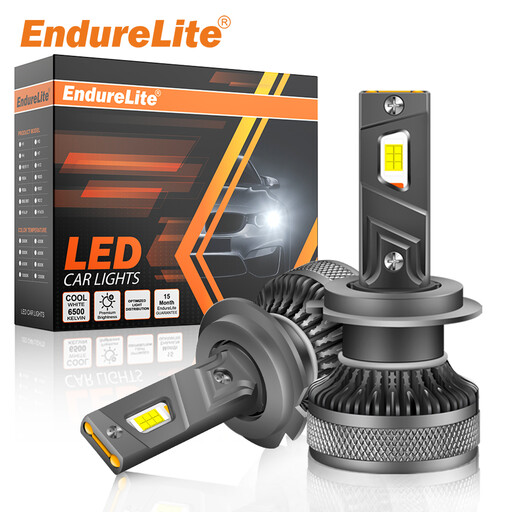
Why This Fits Their Persona: For those seeking a clear upgrade from halogen without paying a premium. The simple 'plug and play' installation makes it an ideal weekend project.
The built-in Canbus-ready driver is designed to prevent error messages on most vehicles, a common issue with cheaper alternatives.
A bright, 6000K white beam pattern and a design that mimics the original halogen pattern to minimise glare.
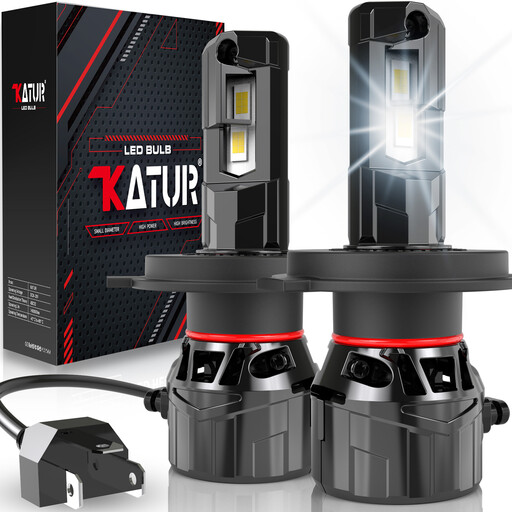
Why This Fits Their Persona: Perfect for drivers who invest in durability and performance. Suitable for daily and intensive use, where reliability is paramount.
According to the manufacturer KATUR, the active cooling system with a turbofan and copper heat pipe ensures stable performance, preventing overheating and premature failure—a risk with less advanced bulbs.
High light output (30000LM per pair, according to the manufacturer) and a robust build quality aimed at a long lifespan of up to 60,000 hours.
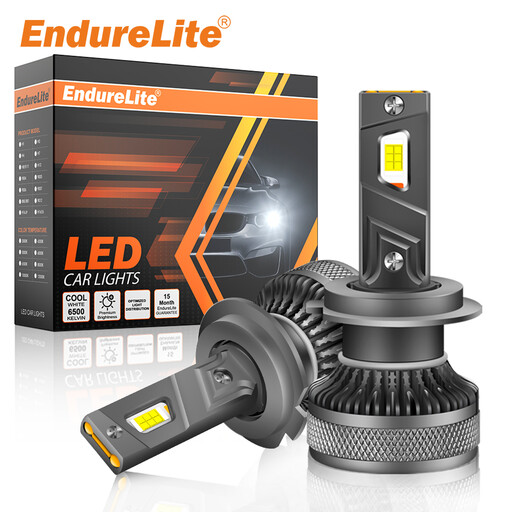
Why This Fits Their Persona: Ideal for cars that require a specific 9005/HB3 fitting. These bulbs offer a direct replacement with the benefits of LED technology for high beams or fog lights, for example.
The 1:1 design compared to the original halogen bulb ensures a correct beam pattern, reducing the risk of failing an inspection due to light scatter.
Targeted compatibility for 9005/HB3 fittings and a Canbus-ready design for smooth integration into most vehicle systems.
We have compiled a complete, up-to-date list of products that fully meet these strict selection criteria and local regulations.
Yes, retrofitting LED headlights is generally permitted, provided they meet legal requirements. The most important requirement is that the bulbs produce a correct beam pattern with a clear, horizontal "cut-off" to prevent glaring oncoming traffic. The color should not be too blue. Although an E-mark certification on the bulb itself is desirable, a vehicle safety inspection primarily assesses the beam pattern produced by the headlight unit as a whole. Therefore, ensure the headlights are correctly adjusted after installation.
Canbus (Controller Area Network) is the communication network in modern cars (usually built after 2005). If your car is equipped with a bulb monitoring system, you will need Canbus LED headlights. These prevent error messages on the dashboard and ensure stable operation. When in doubt, it is always safer to opt for a Canbus-compatible set.
One of the major advantages of LED is its lifespan. While a halogen bulb lasts an average of 500 to 1,000 operating hours, manufacturers of LED bulbs often claim a lifespan of 30,000 to 60,000 hours. This means that, in theory, they can outlast the car itself, saving you money on replacement costs and maintenance. The actual lifespan depends heavily on the quality of the cooling system.
