
Vandaag of morgen in huis

Kwaliteit gegarandeerd

Welkomstaanbiedingen ontgrendelen: GRATIS bezorging | Tot 80% korting | Gratis 30 dagen JoyPlus-proefperiode
Download de app
Driving in the dark with dim, yellowish halogen bulbs feels unsafe. You have poor visibility of the roadsides and react more slowly to unexpected situations. Upgrading to modern LED headlights seems like the logical step for better visibility and a sleeker look. But the market is flooded with options that overpromise and underdeliver.
As a Joybuy Product Recommendation Officer, I see where things go wrong every day. Many car owners fall into the same traps, leading to disappointment, wasted money, and sometimes even dangerous situations. Before you invest in new LED car lighting, watch out for these common mistakes:
To avoid buyer's remorse, it's crucial to look beyond the marketing buzzwords. Check these three technical specifications before you replace your halogen bulbs with LEDs.
The fitment is the base of the bulb that fits into your headlight assembly. Buying the wrong fitment means the bulb simply won't fit. The most common types are:
Always check your car's owner's manual or the old bulb itself to ensure you have the correct fitment.
A good LED headlight must exactly replicate the beam pattern of the original halogen bulb. This ensures the light is projected correctly onto the road, with a clear separation between light and dark (the 'cut-off'). This prevents dazzling oncoming drivers and is crucial for passing vehicle safety inspections.
Look for bulbs with a 1:1 design, where the LED chips are positioned in the exact same spot as the filament in a halogen bulb. Furthermore, a slim design without large, protruding parts fits more easily into the often tight space of the headlight assembly.
Modern cars use a Canbus system to monitor the status of all electronic components. Because LED bulbs consume less power than halogens, the system might think the bulb is faulty.
The colour temperature, expressed in Kelvin (K), determines the colour of the light. 6000K cool white is a popular choice. It provides a crisp, modern white light that enhances contrast on the road, similar to daylight.
Not all LED bulbs are created equal. To help you choose, we've highlighted a few options that suit different types of drivers and cars.
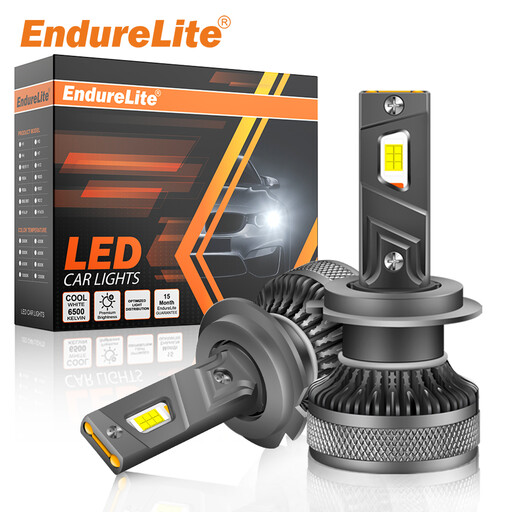
Why This Fits Their Persona: Ideal for the DIYer looking for a noticeable, affordable upgrade for a car with standard H7 fitment. The focus is on a simple 'plug and play' installation without complex modifications.
The 1:1 design mimics the halogen bulb, which reduces the risk of a poor beam pattern (the lumen trap). Active cooling with a fan helps ensure a long lifespan.
Specifications: H7 fitment, 6000K cool white light, IP68 waterproof. The manufacturer claims a quick 3-minute installation.

Why This Fits Their Persona: Suitable for drivers who want to replace their original D1S/R Xenon lighting with LED. These cars often have sensitive electronics, making proper Canbus integration essential.
This model is specifically designed as a Xenon replacement and has a built-in driver that addresses the "Canbus error free" myth by communicating better with the onboard computer.
Specifications: D1S/R fitment, 110W power per set, Canbus integration. According to the manufacturer, it's compatible with 99% of vehicle systems.
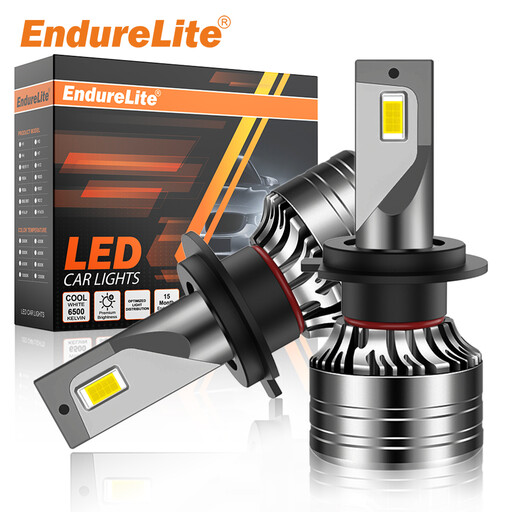
Why This Fits Their Persona: For drivers who frequently travel on unlit roads and need a reliable solution for both low and high beams in a single bulb. Safety and a consistent beam pattern are the priority here.
The H4 technology with a correct beam pattern for both low and high beams is crucial. This prevents you from blinding yourself or others when switching between the two modes.
Specifications: H4 fitment (low and high beam), 6000K cool white, active cooling with a fan. An all-in-one upgrade for cars with this type of bulb.
We've compiled a complete, up-to-date list of products that meet these selection criteria, focusing on a correct beam pattern and reliability.
The regulations for retrofitting LED bulbs are complex. Officially, the headlight assembly itself must be approved for use with LED bulbs, which is not the case for most older cars. In practice, however, vehicle safety inspections primarily focus on the beam pattern. If the LED car bulbs produce a correct and sharply defined beam pattern and do not dazzle oncoming drivers, they are often approved. Ultimately, the responsibility lies with the vehicle owner.
For most 'plug and play' models, the process of replacing halogen with LED is similar to changing a standard car bulb. You twist out the old bulb and put the new one in. It's advisable to wear gloves to prevent grease from your fingers from getting on the bulb. In some cars, the space behind the headlight is limited, which may require you to remove the entire assembly. If you're unsure, consult an online video for your specific car model.
The Canbus system is your car's nervous system that checks if all components are functioning correctly. Because LEDs use less power, the system can trigger an error message. A Canbus error free bulb has built-in technology to prevent this. Most cars built after circa 2005 have a Canbus system. Opting for a Canbus-compatible bulb is a safe choice to avoid problems.
