
Vandaag of morgen in huis

Kwaliteit gegarandeerd

Welkomstaanbiedingen ontgrendelen: GRATIS bezorging | Tot 80% korting | Gratis 30 dagen JoyPlus-proefperiode
Download de app
Thinking of replacing your halogen or xenon lights with LEDs? A set of LED car headlight bulbs might seem like a straightforward upgrade. But choosing the wrong fitting, getting a dashboard warning or ending up with a beam pattern that dazzles other road users can all lead to an expensive mistake.
As a Joybuy Product Recommendation Officer, I focus on the things you can check: bulb type, space inside the headlight, CAN bus support, heat dissipation and whether the lights are approved for road use.
Figures such as “300% brighter” or “60,000-hour lifespan” often come from the brand’s product description. According to the manufacturer’s own information, these are stated figures; they don’t guarantee the same light output in every headlight. The reflector, lens, alignment and condition of the housing all affect the result.
A good beam pattern matters more than a high figure on the packaging. An incorrectly positioned LED chip can cause dark patches, stray light or dazzle.
An H4 bulb usually combines main beam and dipped beam in one bulb. H7 is generally for a single lighting function. H11, HIR2 9012 and HB3 9005 are different fittings. Always check the old bulb, your owner’s manual or your vehicle details.
A bulb that physically fits the holder isn’t necessarily electrically or optically suitable.
CAN bus LED car bulbs can help prevent error messages, flickering or shut-offs. However, the electronics vary from one car model to another. Some Volkswagen, BMW, Mercedes and Audi models need additional load resistors or a CAN bus decoder.
“Plug-and-play LED lighting” doesn’t always mean the headlights will be correctly aligned after installation, either. Check the beam pattern after fitting, and have the alignment checked if necessary.
Compare the original bulb type with the product listing:
Check the available length, too. A built-in fan or external driver could get in the way of the dust cover.
LEDs convert some of their energy into heat. Products with an aluminium housing, cooling fins or a fan dissipate that heat. A fanless design can be quieter and have fewer moving parts, but it needs enough room for passive cooling.
IP65, IP67 and IP68 refer to protection against dust and water under the product classification. This doesn’t mean every installation will automatically be watertight. A poorly refitted seal or dust cover can still let moisture into the headlight.
An LED bulb intended for off-road use can’t automatically be used on public roads. Check that the complete light source and fitting are approved for your vehicle and intended use. An E-mark, vehicle approval or other certification must be suitable for the specific product and use.
In some countries, trucks and vehicles over 3.5 tonnes have additional requirements for breakdown warning lights. According to OSRAM’s product information, the TRUCK FLARE TA19 Essential is approved under §53a StVZO and required for vehicles weighing at least 3.5 tonnes in Germany. Drivers in the Netherlands and Belgium should check their local rules.
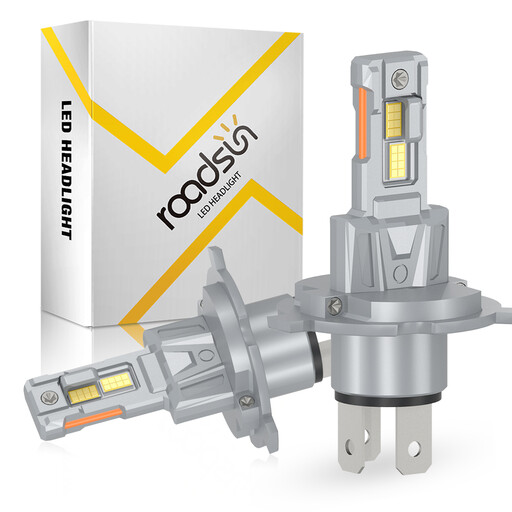
Why it suits this type of buyer: The H4 bulb is designed for DIY fitting and combines dipped beam and main beam in one fitting. Its fanless design can be a good choice if you’re looking for a quiet, straightforward solution.
The product explicitly lists H4, 9003 and HB2. Still, check the original fitting and confirm that the bulb is approved for public road use.
6000K colour temperature, fanless design and IP67 rating, according to the product description.
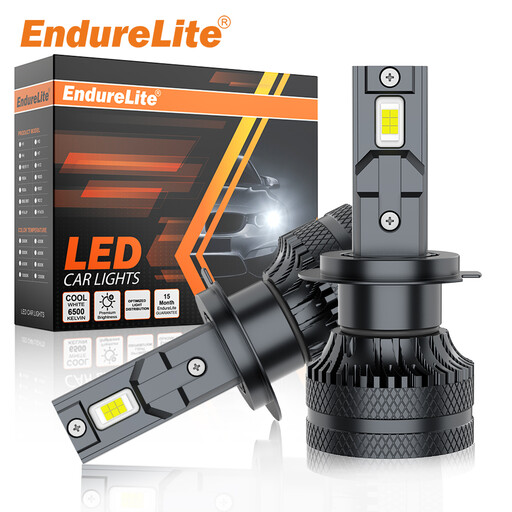
Why it suits this type of buyer: This set is worth considering if you want to compare several compatibility options and value a compact 1:1 design.
The product description mentions built-in CAN bus technology, but also recommends checking the fitting in your manual or against the old bulb.
1:1 design, IP68 rating and a built-in fan, according to the product details.
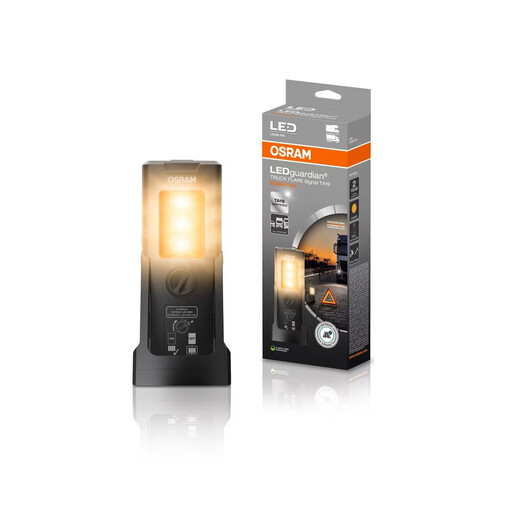
Why it suits this type of buyer: For truck drivers, fleet managers and motorists who want to be prepared for a breakdown on the road. This is a portable warning light, not a bulb that fits inside the car.
Its intended use and German approval are clearly stated. Always check local regulations before using it in the Netherlands or Belgium.
Three orange LEDs, four AA batteries included and over 15 hours of use, according to the product information.
We’ve put together a complete, up-to-date list of products that meet these strict selection criteria and the applicable European safety regulations.
The same principle applies to LED rear lights. If you’re looking for VW Golf 7 LED rear lights, check the body style, model variant and seals as well as the connector. Replacing a complete rear light unit may involve more work than fitting W5W T10 LED bulbs for number plate or interior lighting.
No. It depends on the bulb, headlight unit, vehicle and relevant approval. Check the product documentation and local rules before replacing halogen or xenon bulbs.
Manufacturers often quote figures of 50,000 to 60,000 hours. According to the brands’ own specifications, these are theoretical usage figures. Heat, vibration, moisture, voltage and everyday use can all affect the actual lifespan.
Not always. Some cars accept the new load without any problems, while other models display a warning or flicker. Check your vehicle’s compatibility, and consider a separate CAN bus decoder if your car has a sensitive system.
