
Vandaag of morgen in huis

Kwaliteit gegarandeerd

Welkomstaanbiedingen ontgrendelen: GRATIS bezorging | Tot 80% korting | Gratis 30 dagen JoyPlus-proefperiode
Download de app
Good lighting isn't a luxury; it's a necessity. For many drivers, switching from traditional halogen bulbs to modern LED car lights is a logical step for better visibility and a crisper look. However, the market is flooded with options, and it's easy to fall into common pitfalls. A poor purchase not only leads to disappointment but can also result in dashboard error messages or even cause your vehicle to fail its safety inspection.
As a Joybuy Product Recommendation Officer, I'm here to help you see through the marketing jargon. We'll focus on the facts so you can make an informed choice. These are the three most common mistakes made when buying LED lighting and how to avoid them.
Manufacturers often advertise with extremely high lumen values (the total amount of light). A high number seems impressive, but it says little about the quality of the light on the road. A poorly designed LED bulb with high lumens can produce an unfocused and dazzling beam pattern. This is dangerous for oncoming traffic and can result in unsafe, patchy visibility for you. A correct beam pattern, which illuminates the road where it's needed, is far more important than an abstract lumen figure.
Modern cars use a CANBUS system to monitor electronics, including the lighting. Because LED bulbs consume significantly less power than halogen bulbs, the system might think a bulb is broken. The result: a persistent error message on your dashboard or flickering headlights. Choosing a bulb that isn't explicitly CANBUS LED compatible is a recipe for frustration.
Not every LED bulb can be legally used on public roads. In the EU, strict regulations apply to headlights. A bulb must be ECE approved for use in your specific car model and headlight housing. Many retrofit LED kits sold online lack this approval, meaning your vehicle is no longer technically compliant. Different rules apply to auxiliary lights, such as an LED lightbar (e.g., ECE R112), which permit installation as an additional car high beam under certain conditions.
To sidestep the pitfalls above, there are a few technical specifications you must check before making a purchase.
This is the most basic requirement. The fitment is the part of the bulb that twists or clicks into the headlight housing. If the fitment doesn't match, the bulb simply won't fit. The most common types are H7 LED (often for low beams), H4 LED (a combination bulb for low and high beams), and H1 LED (often for high beams or fog lights).
As mentioned earlier, this is crucial for cars built after circa 2005. Look for products described as "CANBUS-proof," "CANBUS-ready," or "error-free." These bulbs have built-in resistors that mimic the power consumption of a halogen bulb, preventing the onboard computer from detecting an error. Note: some highly sensitive car brands (often German) may still require an external CANBUS decoder. Good sellers will mention this.
LED chips get hot. Without effective cooling, their light output diminishes quickly, and their lifespan is drastically shortened. There are two main systems:
Proper cooling ensures the bulb delivers its promised performance and lifespan.
Not everyone has the same needs. Below are some products that suit specific users, selected based on their specifications and how they address the aforementioned pitfalls.
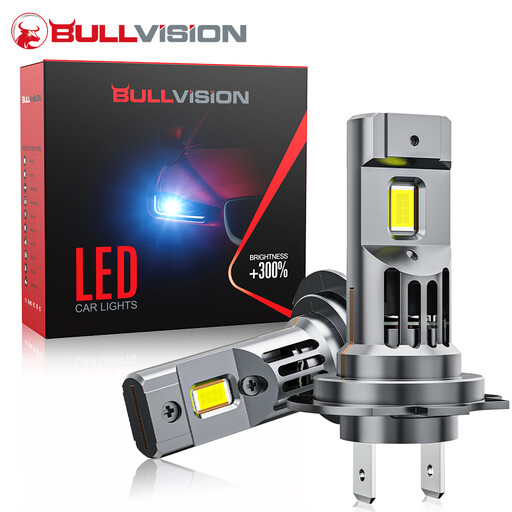
Why This Fits Their Persona: Ideal for the DIY enthusiast looking for an affordable and direct upgrade from their standard H7 halogen bulbs. The focus is on a simple 'plug and play' installation without the need for complex modifications.
The 1:1 size, identical to a halogen bulb, minimises fitment issues. The 'CANbus ready' design is intended to bypass the CANBUS pitfall, although the manufacturer honestly states that highly sensitive cars may still require an external decoder.
Simple installation and a noticeable improvement in brightness and colour (6000K xenon-look lighting) compared to the yellowish standard bulb.
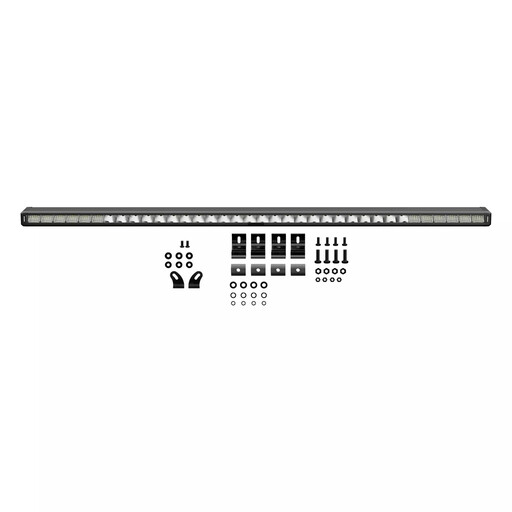
Why This Fits Their Persona: Designed for the harshest conditions. Perfect for trucks, agricultural vehicles, and 4x4s that require extremely powerful and durable auxiliary lighting for both long-range and near-field visibility.
This product completely bypasses the legality trap. Thanks to its dual ECE R112 certification, this lightbar is legal to mount and use as a supplementary high beam on public roads. The OSRAM build quality prevents the performance issues common with cheap, unbranded lightbars.
Fully ECE-certified for legal road use (as a pair). Robust construction (IP67, aluminium housing) and a powerful, combined light beam.
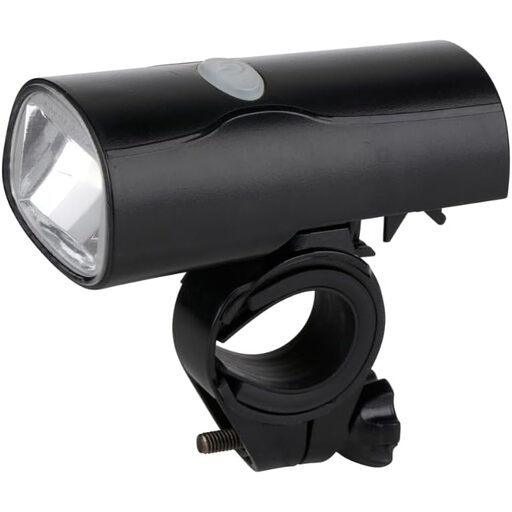
Why This Fits Their Persona: For the cyclist who rides daily in all weathers and needs a reliable, legal, and low-maintenance light source. The USB charging function makes replacing batteries obsolete, which is both practical and sustainable.
This light has STVZO approval (a strict German standard that is highly regarded in the EU). This guarantees a correct beam pattern that doesn't blind oncoming traffic and meets safety requirements, unlike many unregulated, overly bright bike lights.
STVZO-approved for a safe and legal beam pattern. This LED bike light is rechargeable via USB for maximum convenience.
By focusing on the correct fitment, CANBUS compatibility, and legal approval, you'll always make a better choice. We have a complete overview of products that meet these criteria.
This is a complex issue. Officially, the combination of the LED bulb and your car's specific headlight housing must have an ECE approval. For most individual retrofit LED kits, this is not the case, making them technically not permitted on public roads and a potential reason for failing a vehicle safety inspection. Auxiliary lights, such as ECE approved lightbars, are legal under certain conditions. Always check the most current local regulations before making modifications.
CANBUS is the communication network in most cars built after 2005. Among other things, it checks if all bulbs are functioning correctly. Because LED bulbs use less power, the system can trigger a 'defective bulb' error message. A CANBUS LED bulb has a built-in resistor that prevents this. For most European cars, this is recommended to avoid problems.
The easiest ways to find the correct fitment for replacing car bulbs are:
