Vandaag of morgen in huis

Kwaliteit gegarandeerd

Welkomstaanbiedingen ontgrendelen: GRATIS bezorging | Tot 80% korting | Gratis 30 dagen JoyPlus-proefperiode
Download de app
Poor visibility in the dark, a dated yellow glow from your headlights, or constantly having to replace bulbs? Many car owners will recognise these problems. Switching to LED car lighting is a popular and effective way to improve your car's visibility, safety, and appearance.
However, the market for LED car bulbs is vast and technical. Terms like H7, Canbus, 6000K, and lumen can be confusing. As a Joybuy Product Recommendation Officer, my job is to help you make the right choice. In this article, I'll provide practical tips and concrete recommendations, so you'll know exactly which lights suit your car and your needs.
Before making a purchase, there are a few key specifications to check. This will help you prevent a wrong purchase and ensure the bulbs function correctly in your car.
The fitting is the base of the bulb that fits into your car's socket. This is the most important thing to check. A bulb with the wrong fitting simply won't fit. Common fittings include:
You can find the correct fitting code in your car's owner's manual or by inspecting the old bulb.
Modern cars use a CAN bus (Controller Area Network) system to monitor the status of components, including the lighting. Because LED bulbs consume much less power than traditional halogen bulbs, the system might think a bulb is broken. This results in an error message on your dashboard.
A Canbus LED bulb has a built-in resistor that prevents this problem. Check if your car has a Canbus system and choose a compatible bulb to avoid malfunctions.
The performance of an LED bulb is expressed in Kelvin (K) and lumens (lm):
Based on specifications, functionality, and user needs, we have listed some popular choices for you.
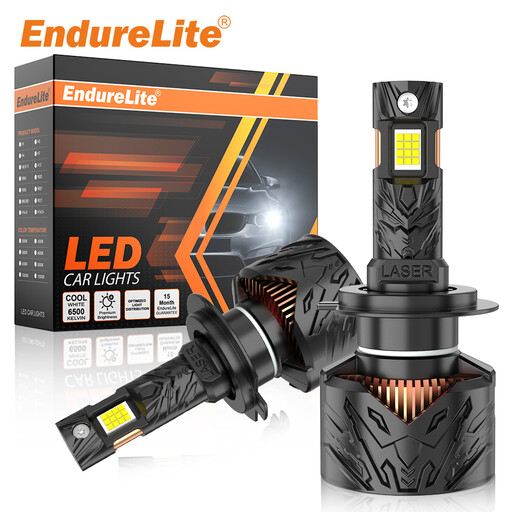
Why it stands out: These H7 bulbs are designed as a direct 'plug and play' replacement for standard halogen bulbs. The manufacturer claims a brightness up to 300% higher and a light pattern that mimics the original, which helps reduce glare for oncoming traffic.
Pros:
Who is it for?: The DIY enthusiast and daily driver looking for a simple and effective upgrade for their low beam LED or high beam.
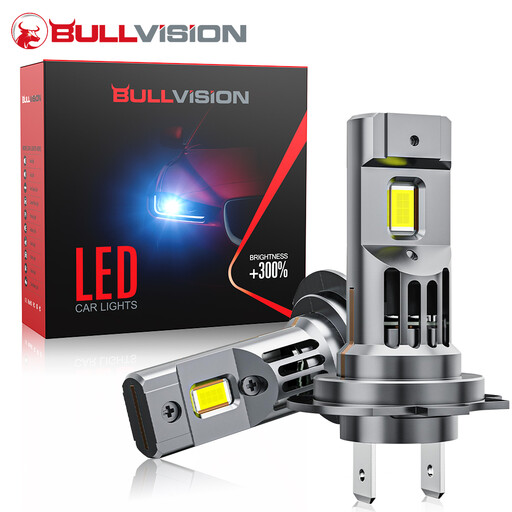
Why it stands out: Like the ENdureLite set, Bullvision focuses on a 1:1 size for a hassle-free installation. These HB3 LED bulbs provide a bright, 6000K cool white light, ideal for drivers who expect maximum visibility from their high beams.
Pros:
Who is it for?: Car owners who want to upgrade their high beams for better visibility on dark roads and who appreciate a simple installation. Please note: the manufacturer states that for some European brands (like Volkswagen, BMW, Mercedes-Benz), an additional Canbus decoder may be required.
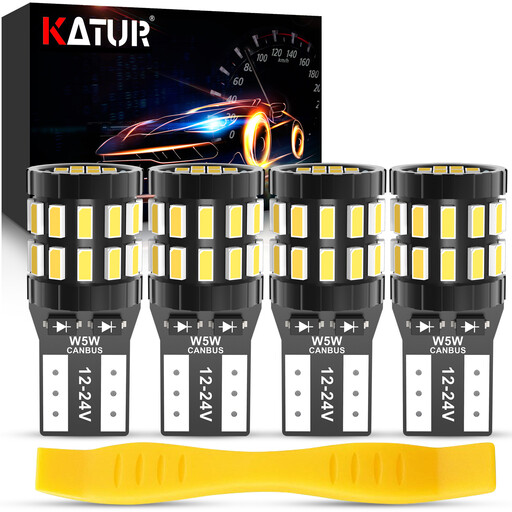
Why it stands out: These T10 LED bulbs are the all-rounders for your car. They are suitable for a wide range of applications, from parking light LEDs and license plate light LEDs to interior lighting such as reading lights or boot lighting.
Pros:
Who is it for?: Any car owner who wants to replace the small, yellowish halogen bulbs in and around the car with bright, modern, and energy-efficient white light.
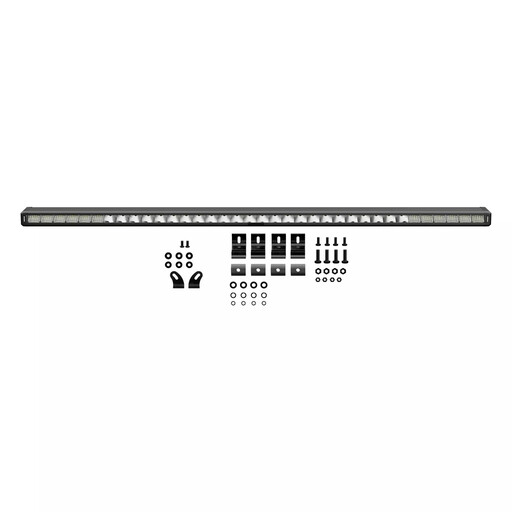
Why it stands out: This is not a standard headlight bulb, but a serious car LED light bar solution for those who need extreme light performance. Its key feature is the dual ECE approval, which means it is legal for on-road use in the EU, provided it is installed correctly.
Pros:
Who is it for?: Professionals, off-road enthusiasts, truck drivers, and anyone who needs maximum, legal lighting for night-time drives on remote roads.
The world of LED lighting is broad and specific. Are you looking for a different fitting, a different colour temperature, or another type of bulb? Many more options are available.
For headlights (low beam and high beam), regulations are strict. A bulb must have an E-mark that corresponds to the headlight unit itself. Many retrofit LED headlight kits do not officially have this and are intended for track or off-road use. Products like the OSRAM LED bar with ECE approval are an exception and are permitted on public roads, provided they are correctly installed. For smaller bulbs like license plate light LEDs or interior lighting, the rules are less strict. Always check your local legislation.
The process of replacing car bulbs varies greatly by car. On many models, it's a 'plug and play' operation: twist the old bulb out, put the new one in. Products like the Bullvision and ENdureLite bulbs are specifically designed to make this process as simple as possible. Always consult your car's manual. Sometimes you may need to remove the entire headlight unit, which is more work.
The main difference is the function. An H7 LED is a single-filament bulb, meaning it has one function: either low beam or high beam. You therefore need two separate H7 bulbs per headlight for both functions. An H4 bulb is a dual-filament bulb; it combines low beam and high beam in a single bulb. It is crucial to choose the correct fitting for your car.